
Lieutenant Colonel Robert Jones Friend and the Mystery of UFOs and Extraterrestrial Life
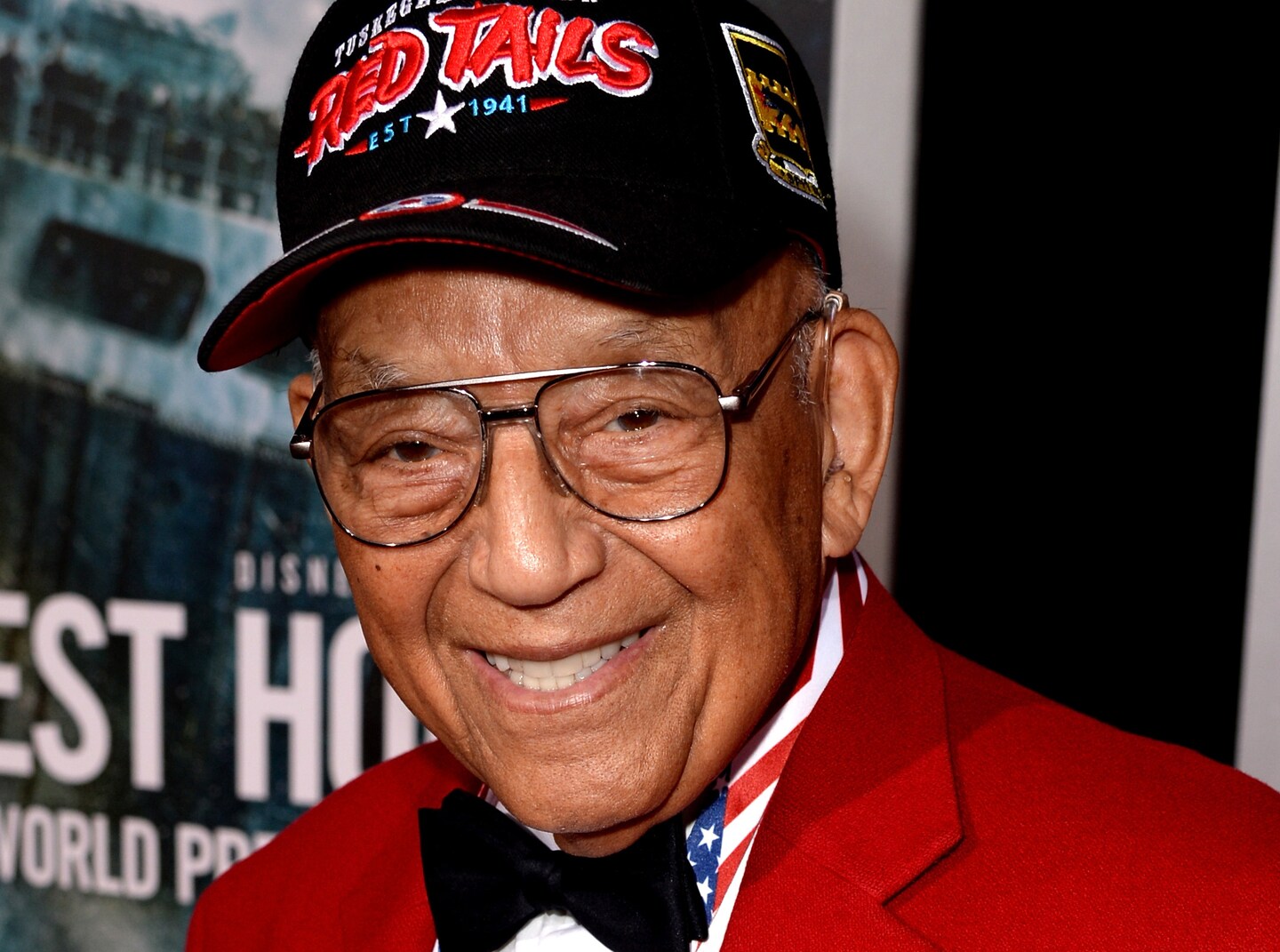
Lieutenant Colonel Robert Jones Friend and the Mystery of UFOs and Extraterrestrial Life
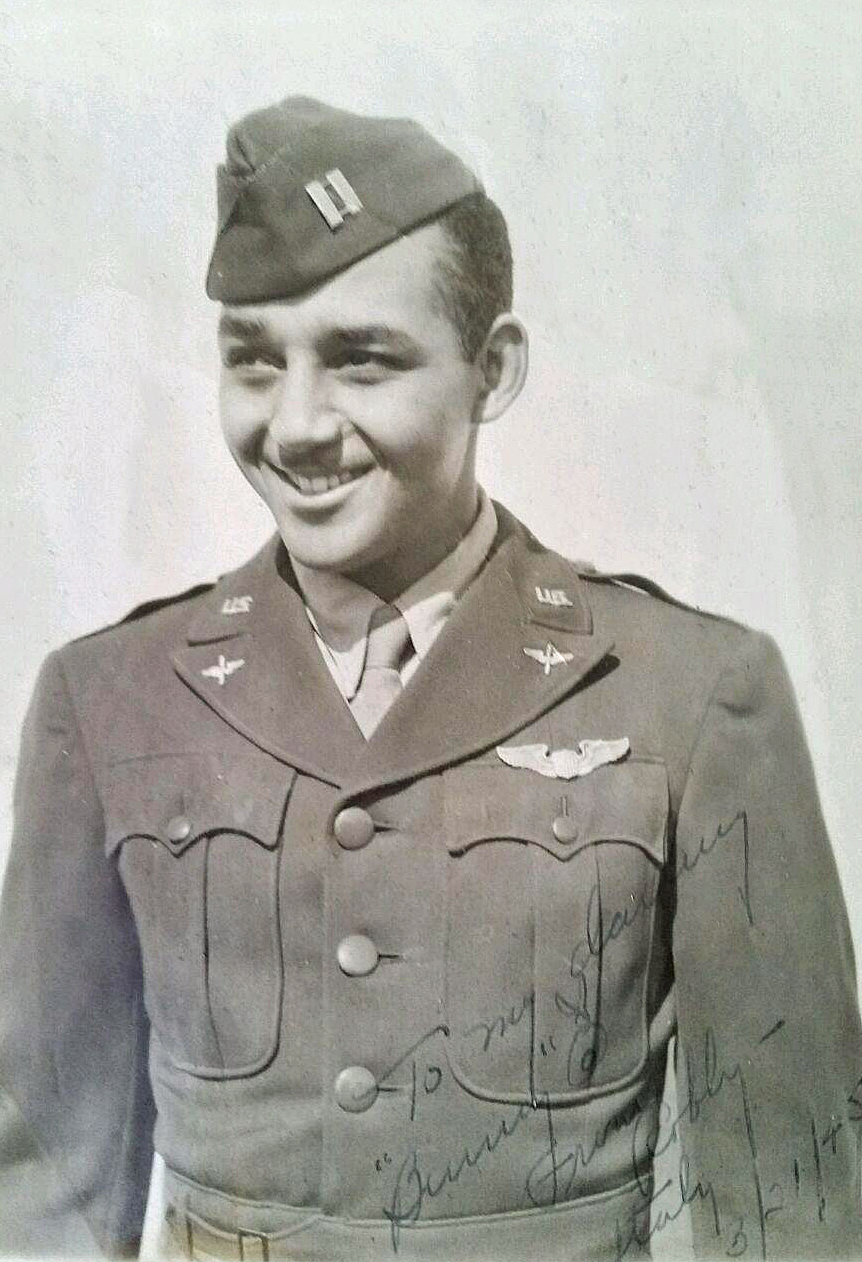
Introduction
Lieutenant Colonel Robert Jones Friend was a distinguished U.S. Air Force officer, decorated combat pilot, and an important figure in the early investigation of Unidentified Flying Objects (UFOs). While he was widely respected as a member of the Tuskegee Airmen, Friend also became known for directing the U.S. Air Force’s official UFO investigation program, Project Blue Book. His leadership placed him at the center of one of the most controversial scientific and military questions of the 20th century: Are UFOs evidence of extraterrestrial technology?
A Distinguished Military Career
Born in 1920, Robert J. Friend began his career as a pilot during World War II. As a member of the Tuskegee Airmen, the first African American military aviators in the United States, he flew 142 combat missions over Europe. His courage and skill earned him the Distinguished Flying Cross and other military honors.
After the war, Friend continued his service in the Air Force for nearly three decades. During this time he worked on missile and aerospace programs, including the early development of U.S. rocket technology. His expertise and reputation eventually led to his appointment to a secretive and unusual assignment: investigating UFO sightings reported across the United States.
Director of Project Blue Book
In 1958, Friend became director of Project Blue Book, the U.S. Air Force program created to study UFO sightings and determine whether they posed a threat to national security. The project, launched in 1952, had three main goals:
-
Determine whether UFOs were a national security threat
-
Scientifically analyze UFO reports
-
Investigate whether sightings involved advanced technology beyond known science
During its operation, the program collected more than 12,000 reports of unidentified aerial objects, ranging from strange lights in the sky to radar contacts detected by military aircraft.
As director from 1958 to 1963, Friend attempted to make the investigation more scientific and less dismissive of witnesses. He believed the phenomenon deserved serious study and tried to move the research to independent scientific agencies.
UFO Sightings and the Alien Question
Although many sightings were later explained as aircraft, weather balloons, astronomical objects, or atmospheric phenomena, hundreds of cases remained unidentified. These unexplained reports fueled speculation about extraterrestrial visitors.
Friend himself maintained a cautious but open-minded view. In interviews later in life, he stated that the probability of life elsewhere in the universe was extremely high. He acknowledged that some pilots and military personnel had reported objects performing maneuvers far beyond known aircraft capabilities.
However, the official conclusion of Project Blue Book was that UFOs did not represent alien spacecraft and did not threaten U.S. security. The program was officially closed in 1969 after concluding that no evidence of extraterrestrial technology had been found.
Even so, 701 sightings remained unexplained, leaving room for continued debate among scientists and UFO researchers.
Friend’s Legacy in UFO Research
Robert J. Friend remains an important figure in the history of UFO investigation. Unlike some officials who dismissed the phenomenon entirely, Friend advocated for serious scientific inquiry. He believed that unexplained aerial phenomena should be studied with proper funding, data analysis, and transparency.
His balanced approach—skeptical but curious—helped shape how many modern researchers approach the UFO mystery today.
Conclusion
Lieutenant Colonel Robert Jones Friend lived a remarkable life as a war hero, aerospace pioneer, and investigator of one of humanity’s greatest mysteries. Through his work with Project Blue Book, he stood at the intersection of military intelligence, science, and the public fascination with UFOs and alien life.
Although the question of extraterrestrial visitation remains unanswered, Friend’s legacy reminds us that the search for truth—whether in the skies above or beyond our planet—is a journey that continues.
