
🌠☄️ Get Ready: The Leonid Meteor Shower Is About to Dazzle the Night Sky
- PhamThuy
- March 12, 2026
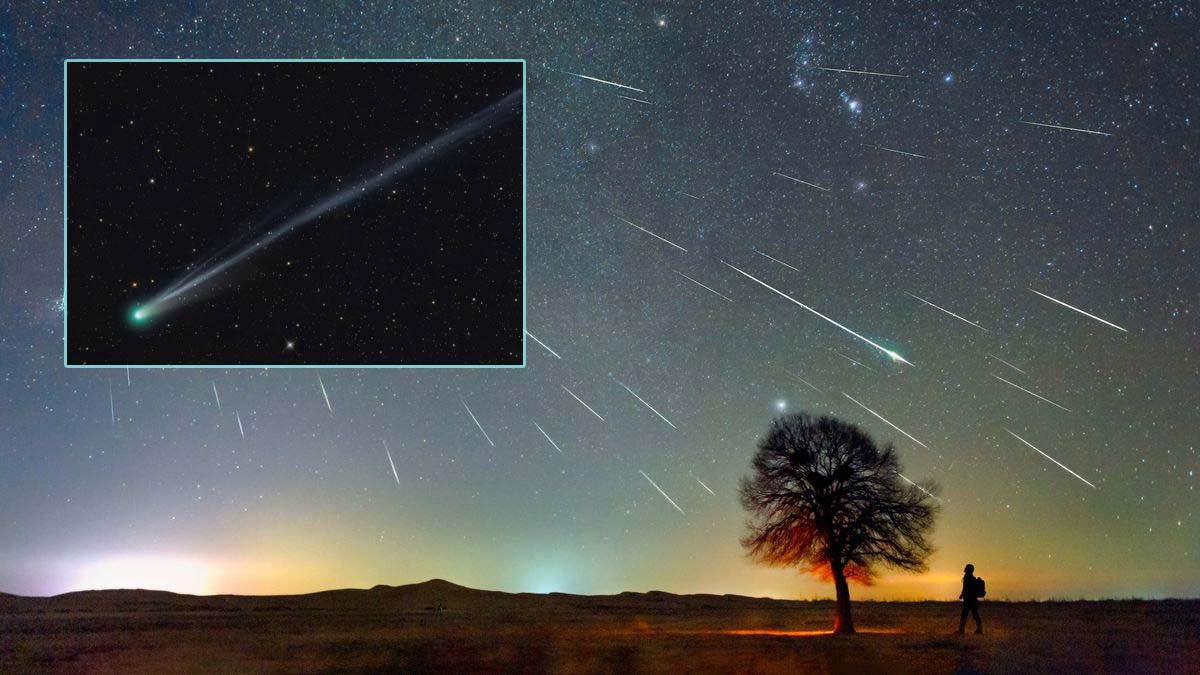
Every November, skywatchers around the world look up in anticipation as the spectacular Leonid meteor shower returns. Known for its fast, brilliant streaks of light, this cosmic display offers a breathtaking reminder of the dynamic universe that surrounds our planet. 🌌✨
🌍 A Trail Left by a Traveling Comet
The Leonids are born from debris shed by Comet 55P/Tempel‑Tuttle, a celestial traveler that orbits the Sun roughly every 33 years. As Earth passes through the comet’s dusty trail, tiny particles slam into our atmosphere at incredible speeds, burning up and creating bright meteors that flash across the sky. 🔥☄️
⏰ When to Watch the Show
This year, the meteor shower is expected to reach its peak before dawn on November 17. Under clear and dark conditions, observers may see 10 to 15 meteors per hour, each streaking across the sky in a split second. The timing couldn’t be better — the Moon will appear only as a thin crescent, meaning darker skies and better visibility for the celestial show. 🌙🔭
👀 How to See the Leonids
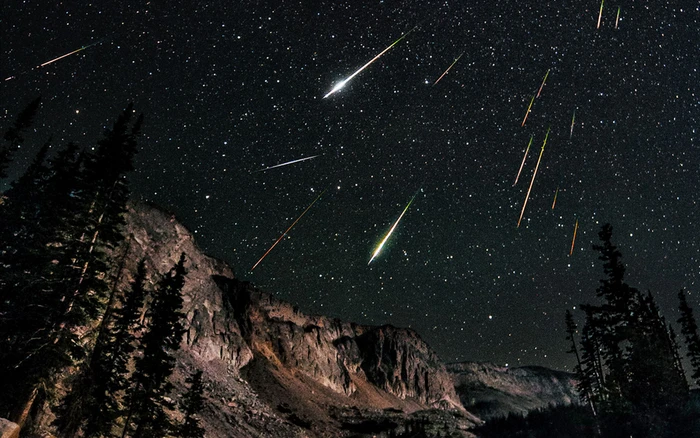
You don’t need telescopes or special equipment. Simply find a dark location away from city lights, look up, and give your eyes time to adjust to the night. The meteors appear to radiate from the constellation Leo, which is how the shower gets its name.
✨ A Moment of Cosmic Wonder
Though modest compared to rare meteor storms, the Leonids carry centuries of history and wonder. Each streak of light is a tiny fragment of ancient comet dust meeting Earth’s atmosphere — a fleeting spark that connects our world to the vast rhythms of the cosmos. 🌠
