
The Glowing Sphere: Galactic Visitor or Orbital Junk?
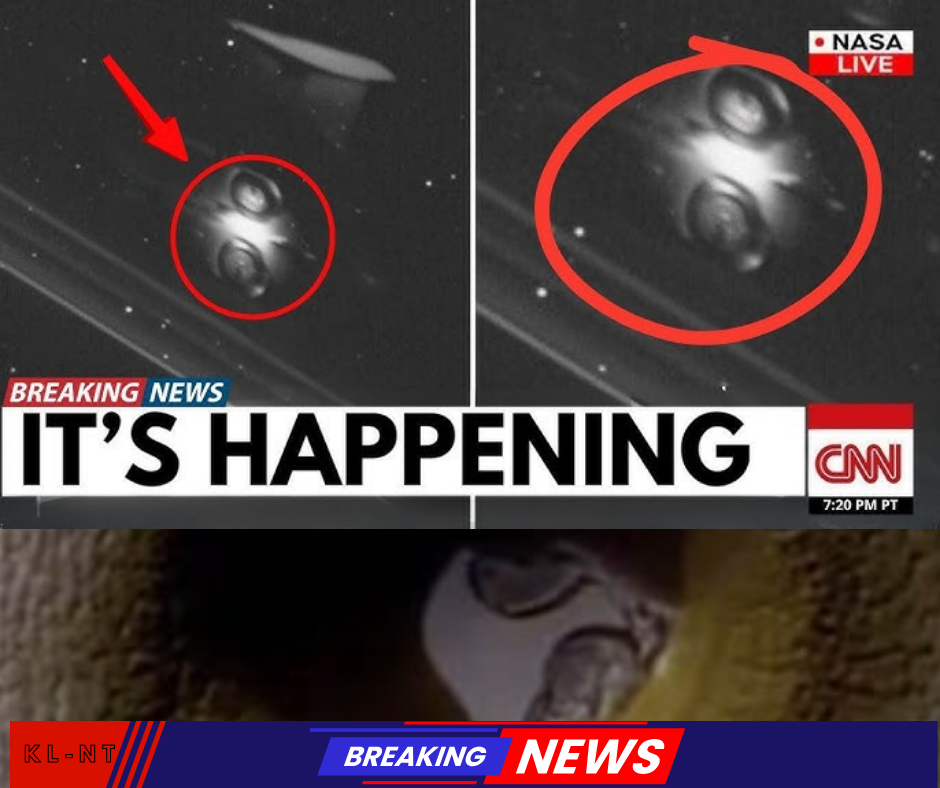
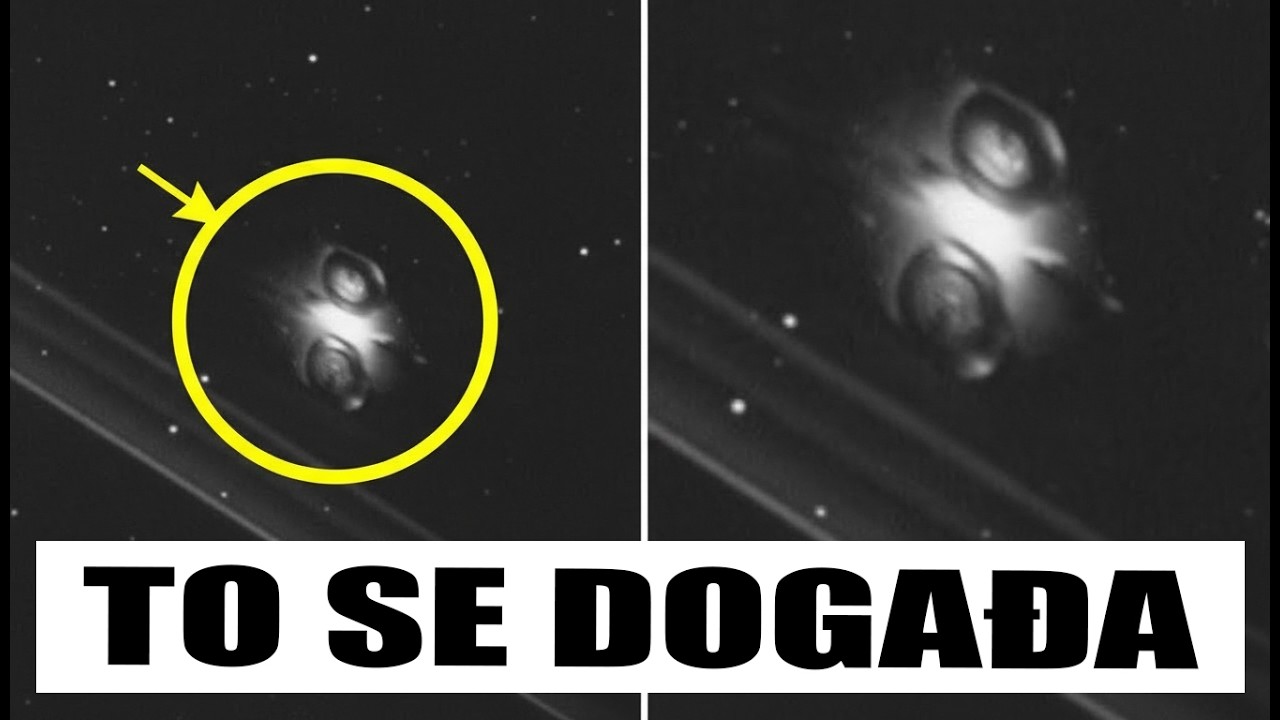
The latest controversy involves a glowing, spherical object appearing to drift across the frame during a standard ISS live feed. In the screenshots being shared across social media, the object is often highlighted with red circles, drawing attention to what some describe as “multiple openings” or “circular structures” on its surface.
The “Cut-Away” Mystery
For many UFO enthusiasts, the most suspicious part of the sighting isn’t just the object itself, but the timing of the broadcast. It is a common claim that NASA “cuts the feed” whenever a mysterious object appears. However, NASA technicians and independent satellite trackers provide a more technical explanation:
-
Loss of Signal (LOS): The ISS relies on a network of Tracking and Data Relay Satellites (TDRS). As the station orbits the Earth at 17,500 mph, it must frequently switch between these satellites. During the hand-off, the signal often drops, resulting in the famous blue screen or “Signal Loss” slate.
-
The High-Definition Transition: NASA’s current “High Definition Earth Viewing” (HDEV) cameras are automated. They switch between different views—forward, aft, and nadir—on a fixed schedule, which can look like a “timed” cut to a casual viewer.
Expert Explanations for Space Anomalies
While the object in the 2026 footage looks highly unusual, aerospace experts point to several common “UFO imposters” that occur in low-Earth orbit:
-
Ice Crystals: When the ISS’s thrusters fire or when wastewater is vented, liquid can instantly freeze into ice particles. Because they are very close to the camera and illuminated by the sun against the blackness of space, they appear as large, glowing, and complex-shaped objects.

-
Lens Flares and Reflections: The ISS is essentially a giant mirror made of solar panels and metallic modules. Light from the sun or the moon can bounce off these surfaces and create a “ghost” image or a spherical reflection inside the camera’s lens housing.
-
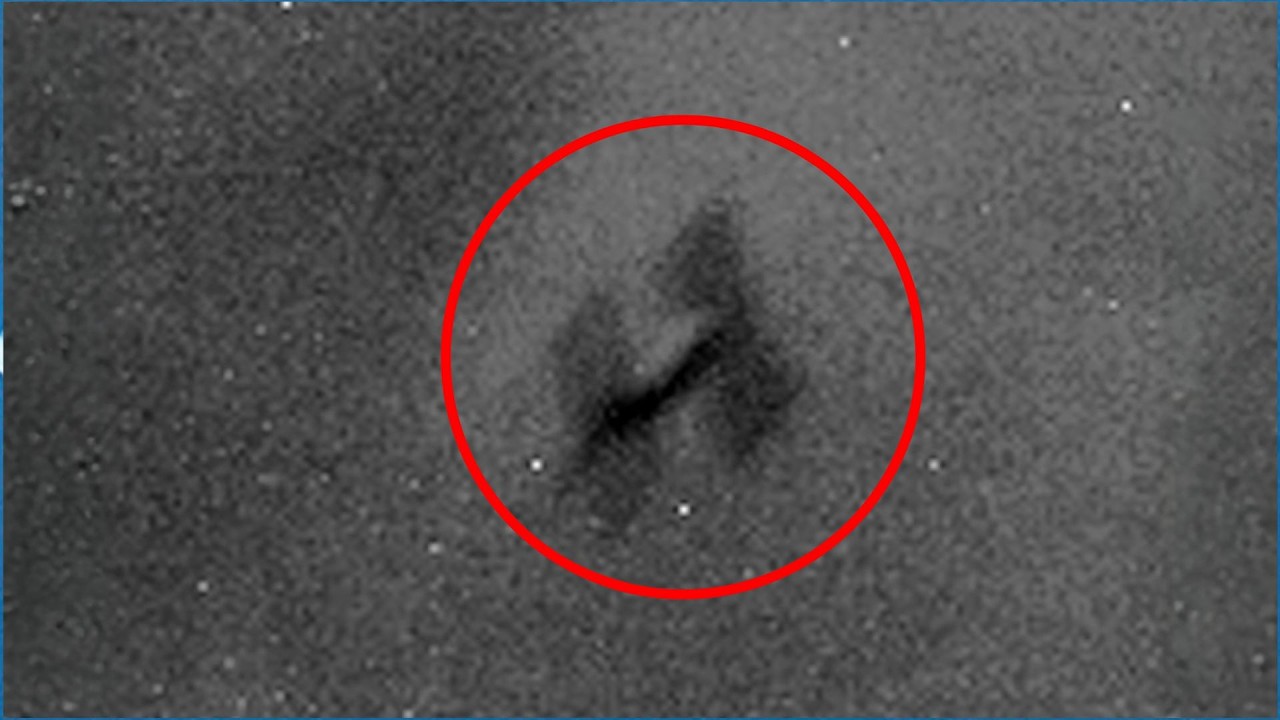
Space Debris: With over 26,000 tracked objects in orbit as of 2026, including old satellite parts and rocket fragments, it is common for metallic debris to drift into the camera’s view. These objects often tumble, creating a “pulsating” or “structured” look as they reflect light from different angles.

The Verdict
As of March 2026, official analysis from NASA’s UAP (Unidentified Anomalous Phenomena) independent study team suggests that the vast majority of “live-feed UFOs” are identified as mundane orbital phenomena. While the “spherical orb” remains a viral sensation, there is currently no verifiable evidence that it represents non-human technology.
Instead, these sightings remind us of how busy our near-Earth environment has become. Between the 15,000+ Starlink satellites now in orbit and the ongoing construction of private space stations like Vast and Orbital Reef, the “unidentified” is becoming a daily part of the view.
