
The Viral “Edge”: Fact vs. Fiction
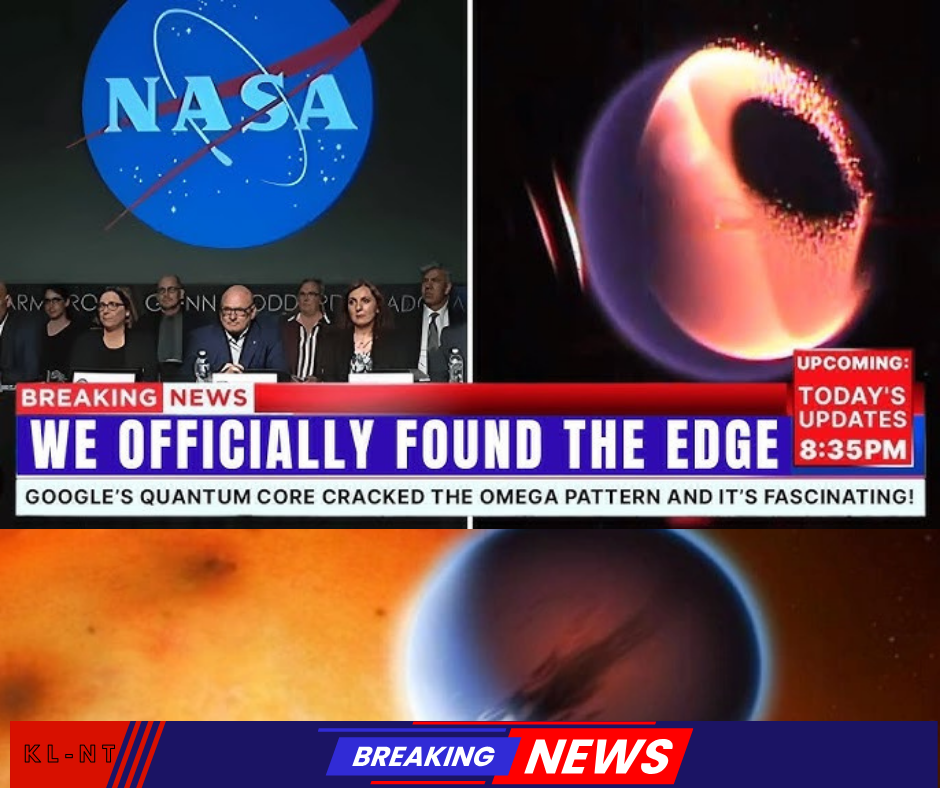
The image causing the recent online buzz is often a highly stylized version of a real astronomical phenomenon known as an Einstein Ring. As of March 13, 2026, NASA has released several new deep-space surveys from the James Webb Space Telescope (JWST) that show these perfect circles of light.
1. What is the “Ring”?
In reality, the glowing circle isn’t a physical boundary or a portal. It is a result of gravitational lensing.
-
The Physics: According to Einstein’s General Relativity, the gravity of a massive foreground object (like a galaxy cluster) warps the space around it.
-
The Illusion: When a more distant galaxy sits perfectly behind that mass, its light is bent into a circle, creating a “cosmic magnifying glass.”
-
The “Edge” Misconception: While JWST is looking at light from near the “edge” of the observable universe (roughly 13.5 billion years ago), there is no physical wall or boundary. The “edge” is simply the limit of how far light has had time to travel to us since the Big Bang.

2. Recent 2026 Discoveries
While the viral post may be exaggerated, NASA and international teams did announce several major structural discoveries this month:
-
The “Giant Cosmic Sheet”: On March 6, 2026, astronomers confirmed the Milky Way sits inside a massive, flat sheet of matter stretching tens of millions of light-years. This “hidden” structure explains why nearby galaxies are moving away from us in a specific pattern.
-
The “Sea of Light”: A 3D map released on March 5, 2026, revealed a vast “sea” of glowing hydrogen that connects galaxies like a cosmic skeleton, dating back 9 to 11 billion years.
Why the “Edge” Theory Persists
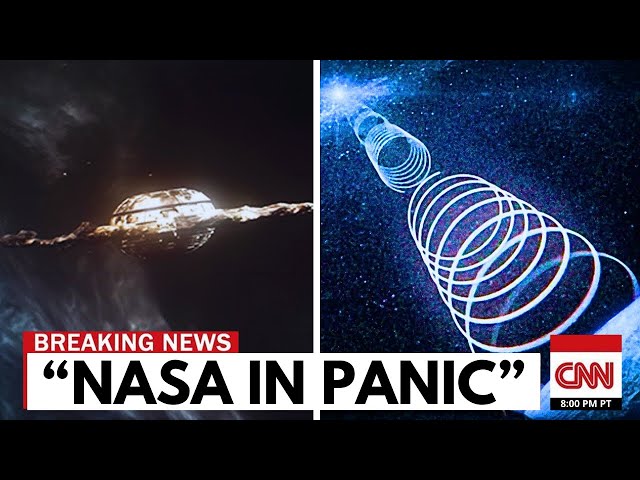
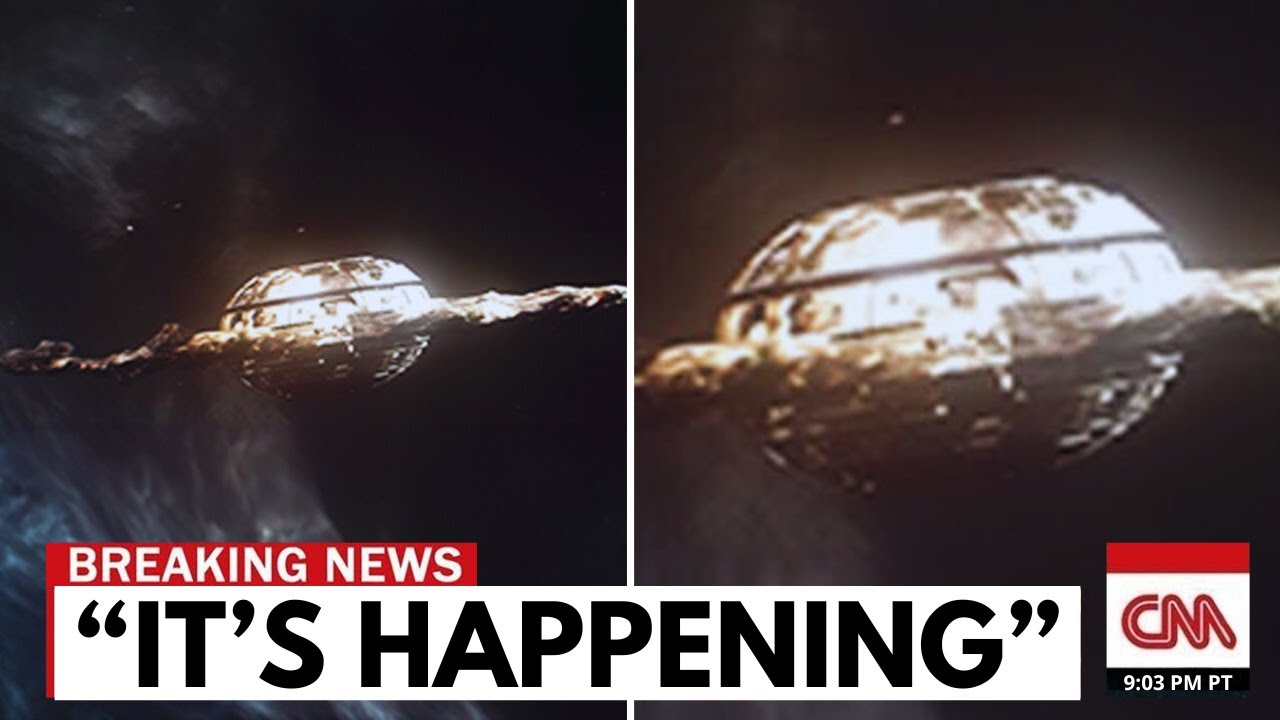
Headlines about “portals” or “the end of the universe” often go viral because they tap into our fascination with the unknown. In 2026, the rise of AI-enhanced space art has made it easier than ever to create hyper-realistic “fake” NASA photos.
NASA artists Robert Hurt and Tim Pyle, famous for their iconic space renderings, frequently remind the public that while their art is based on real science, it is often a “visualization” of data that the human eye cannot see directly.
The Verdict
Scientists have not found a literal “edge” to space, but they are pushing the boundaries of the Observable Universe. New galaxies discovered in late 2025 and early 2026 (such as MoM-z14) are showing us what the universe looked like just 280 million years after the Big Bang—closer to the “beginning” than ever before.
Expert Insight: “The universe doesn’t have an edge in the way a table does. If you traveled in a straight line forever, you would never hit a wall; you would simply keep finding more space, or potentially loop back to where you started.” — NASA Science Briefing, March 2026.
