
atellites orbiting Earth, astronauts living on the ISS, spacecraft exploring other planets…
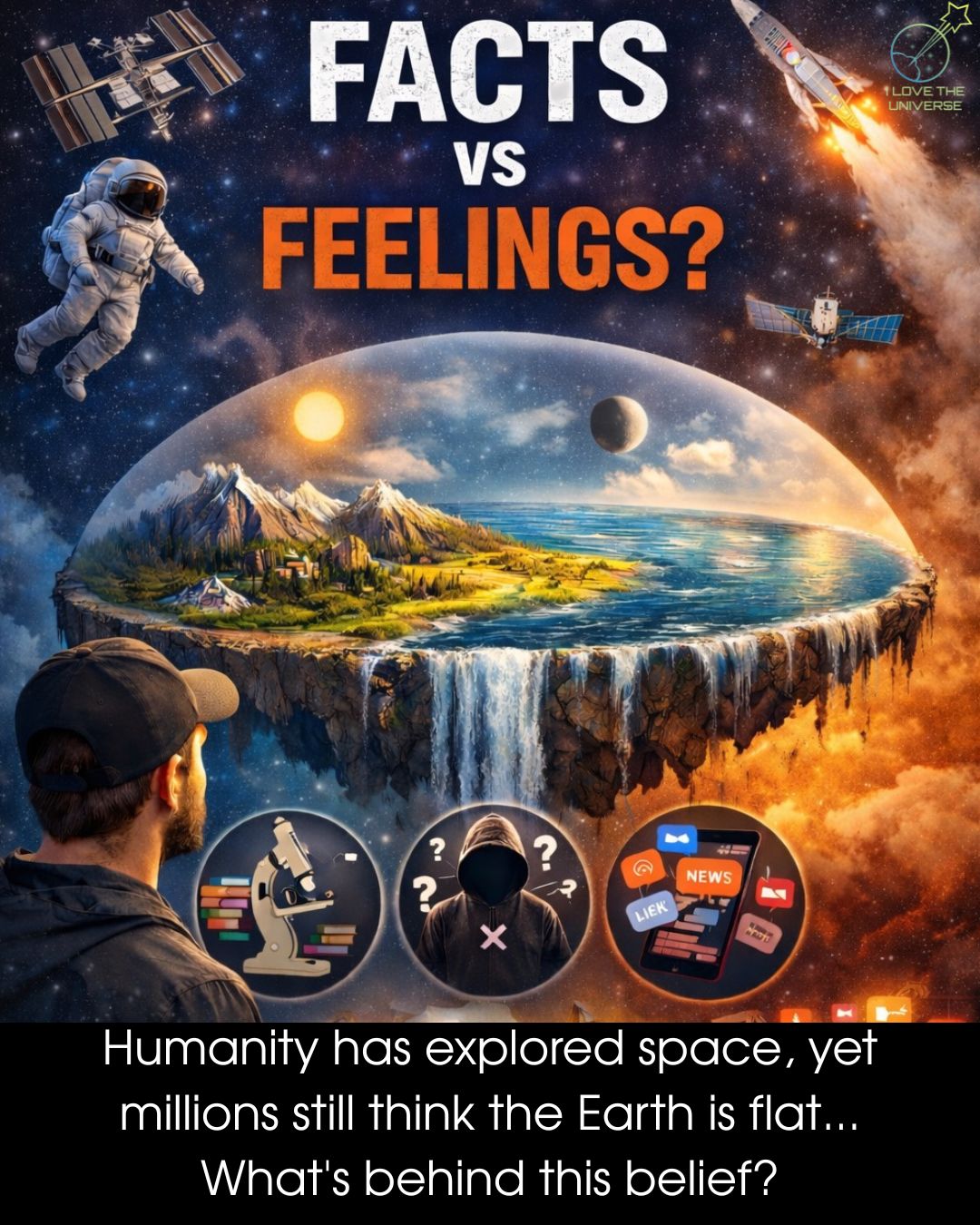
Despite everything humanity has achieved — satellites orbiting Earth, astronauts living on the ISS, spacecraft exploring other planets — millions of people still believe the Earth is flat.
How is that possible in the 21st century?
Studies suggest that around 7% of people worldwide are at least open to the idea that the Earth might be flat. Not because there is scientific evidence — there isn’t — but because beliefs today are shaped by much more than facts alone.
Science education plays a role. Many people have never been shown the simple observations that reveal Earth’s true shape — from ships disappearing hull-first over the horizon to time zones and satellite imagery.
Distrust of institutions is another factor. When people lose trust in governments, media, or scientific organizations, they may start questioning even the most well-established knowledge.
And then there’s the internet. Social media algorithms often amplify sensational or controversial content, allowing misinformation to spread faster than careful explanations. Once someone enters an online echo chamber, every new post seems to “confirm” the same belief.
But the flat-Earth movement is about more than geography.
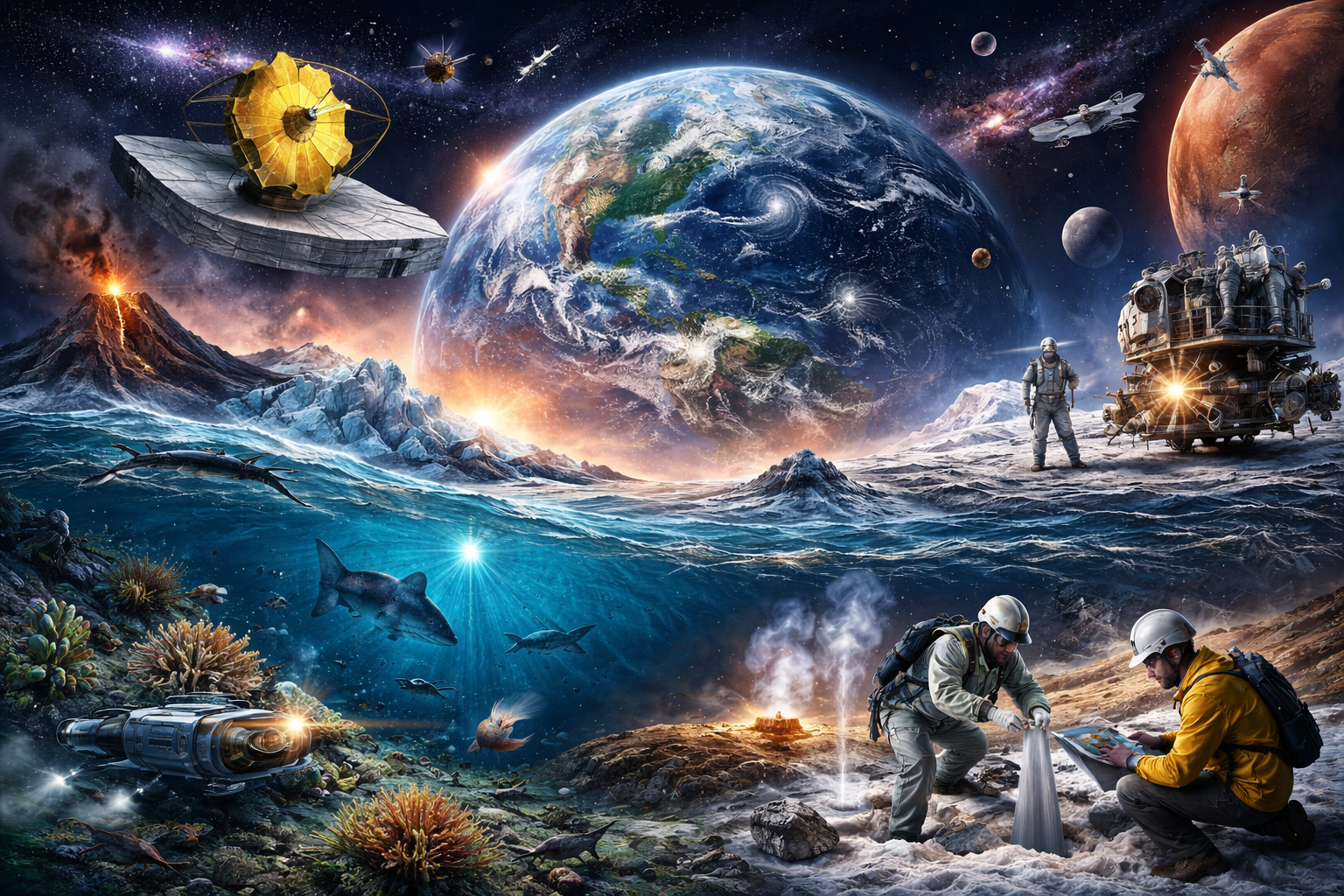
It reveals something deeper about the modern world.
We live in an age where information is everywhere — yet understanding is not guaranteed.
When emotions, identity, and community become stronger than evidence, even the clearest scientific facts can be rejected.
And that raises a bigger question for all of us:
In the digital era… how do facts compete with feelings?
