
In the scorching abyss of Venus, where temperatures soar to 900°F…
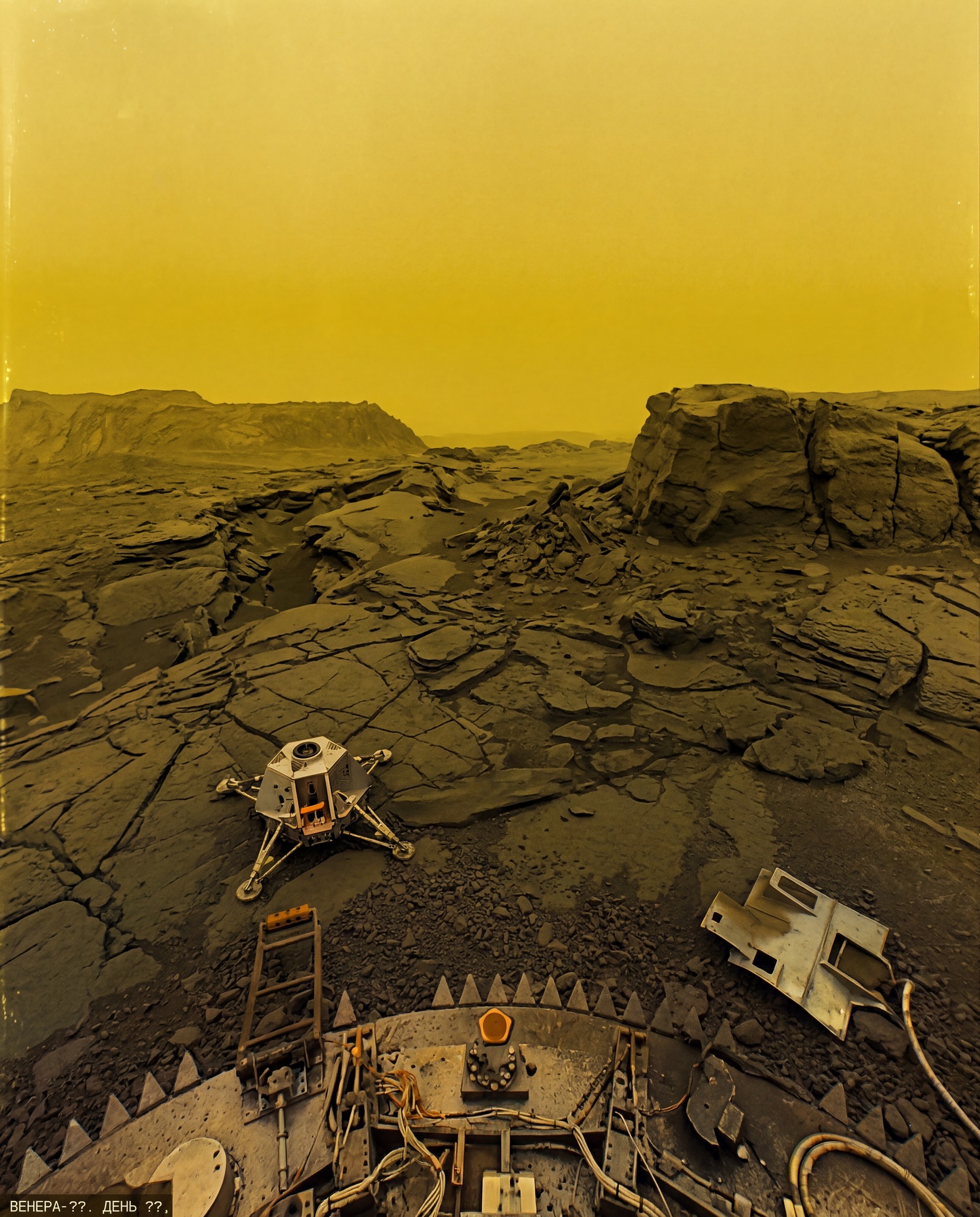
In the scorching abyss of Venus, where temperatures soar to 900°F and pressure crushes like a thousand oceans, one Soviet probe dared to defy the impossible.
On March 1, 1982, the Venera-13 lander pierced the thick, toxic clouds and touched down on the planet’s unforgiving surface. Engineered to endure just 32 minutes in this hellish inferno, it fought on heroically—transmitting data and images for a staggering 127 minutes before the extreme heat, acid rain, and crushing atmosphere finally claimed it.
In those precious, fleeting moments, Venera-13 captured what remains the clearest image ever taken of Venus’s surface: a desolate, rocky panorama bathed in eerie orange light, with jagged stones scattered across a barren landscape under a hazy, sulfurous sky.
No other spacecraft has ever returned such a vivid glimpse from this neighboring world of fire and poison. Venera-13’s final transmission wasn’t just data—it was a testament to human ingenuity, a brief victory snatched from the jaws of cosmic brutality.
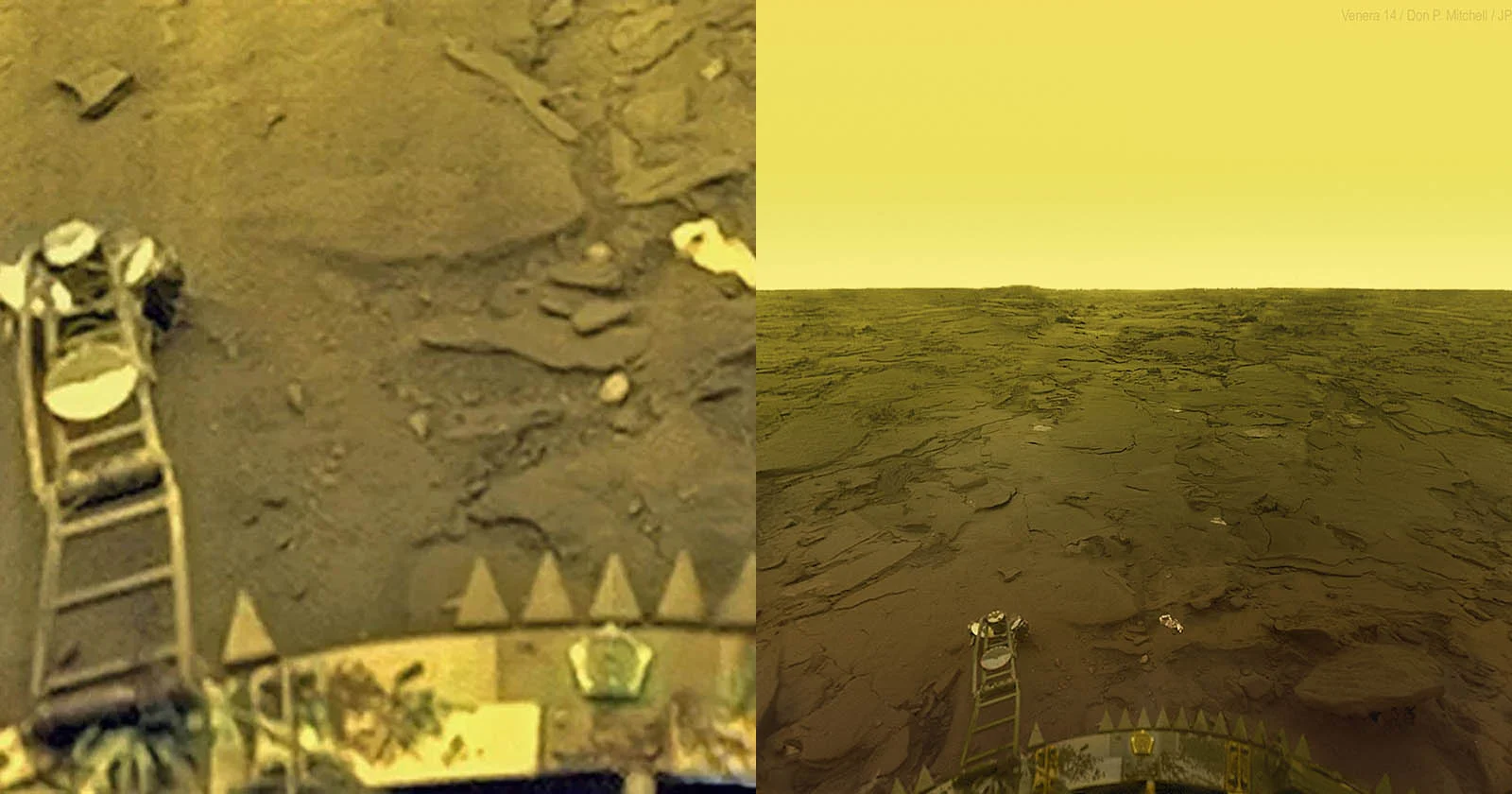
Even as the probe melted and disintegrated, its legacy endures: proof that we can reach the unreachable, if only for a heartbeat in the void.
