
The Sculptor of Mars: Viral “Symmetrical” Object Sparks New Martian Debate
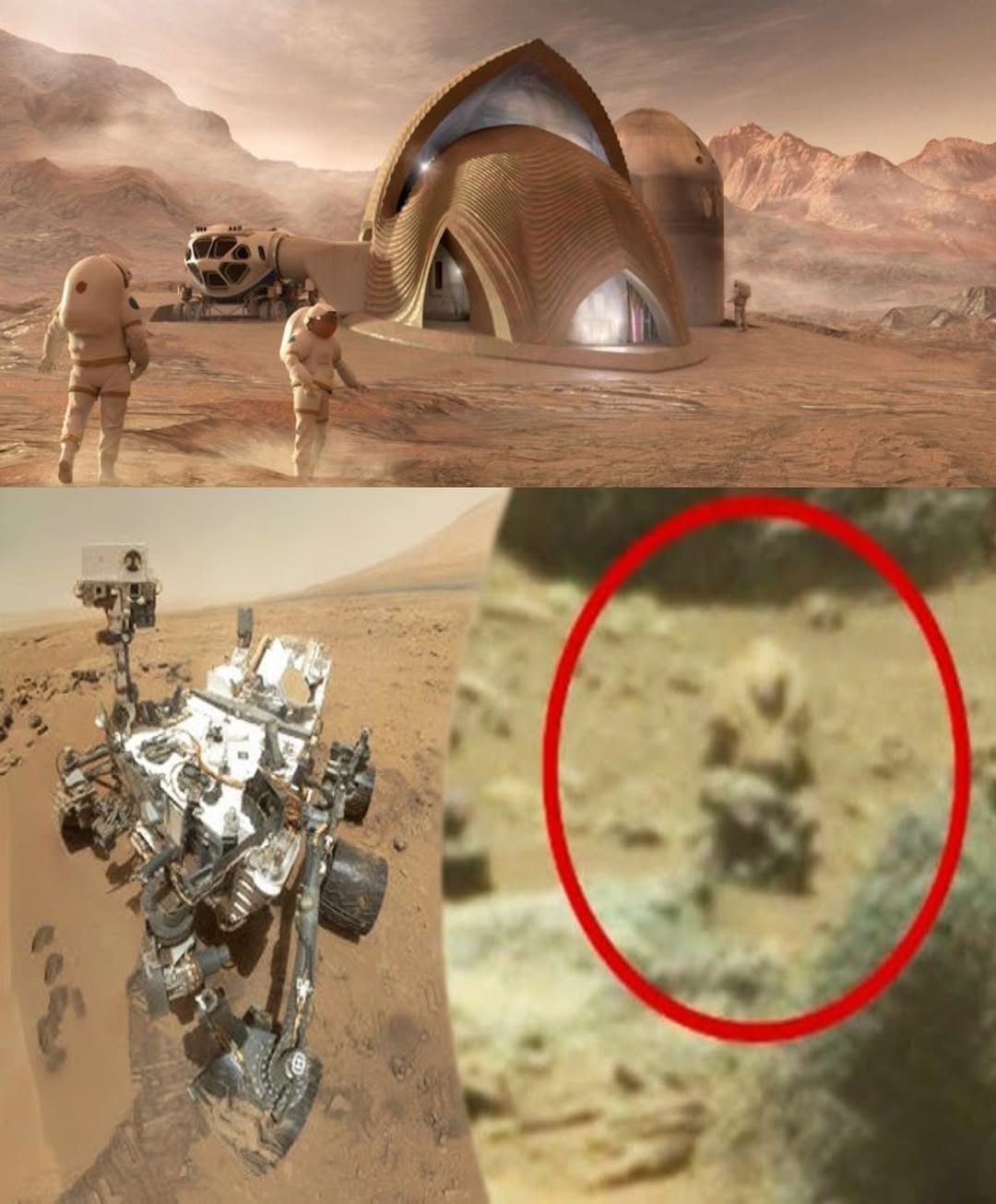
In the early weeks of March 2026, a single photograph transmitted from the wind-swept plains of the Red Planet has reignited a classic debate about our neighbor world. The image, captured by NASA’s Perseverance rover, reveals a remarkably symmetrical, “carved” object standing in sharp contrast to the jagged, irregular rocks that dominate the surrounding terrain.
As the image spread across social media, it triggered a wave of speculation. To some observers, the object’s clean lines and high-standing posture suggested an ancient artifact or a structured ruin—relics of a civilization long lost to the Martian dust. However, planetary scientists have offered a more terrestrial, yet equally fascinating, explanation for the find.
The Master Artist: Wind and Time
The object, recently studied near the Vernodden area of Jezero Crater, has been nicknamed “Phippsaksla” by mission scientists. While its symmetry appears intentional to the human eye, NASA researchers explain that it is likely a masterwork of ventifacting—the process by which relentless Martian winds, carrying abrasive dust and sand, act as a natural sandblaster.
Over billions of years, these winds can sculpt rocks, especially iron-rich meteorites, into sharp geometric shapes and polished planes. Analysis from the rover’s SuperCam instrument confirmed that Phippsaksla is composed of iron and nickel, marking it as a probable meteorite. Its high metal content makes it more resistant to erosion than the surrounding sedimentary rock, allowing it to “stand out” as a solitary, sculpted monument.
The Power of Pareidolia
The frenzy surrounding the photo is a testament to pareidolia, a psychological phenomenon where the human brain identifies familiar patterns—like faces, doorways, or tools—in random data. Mars has a long history of such “optical illusions,” from the famous “Face on Mars” of 1976 to more recent images of a “Martian helmet” and “spiderweb ridges” captured by the Curiosity rover in the Gale Crater.
While these shapes are rarely what they first seem, they serve a vital purpose for science. “Every time we see an ‘unusual’ object, it forces us to look closer,” noted one NASA researcher. “Whether it’s a meteorite from the asteroid belt or a unique geological formation, these objects are time capsules that tell us how the Martian atmosphere has evolved over eons.”
A World of Hidden History
As of March 16, 2026, both the Perseverance and Curiosity rovers are entering new phases of their missions. Curiosity is currently investigating “boxwork” formations—linear, web-like ridges that suggest groundwater once flowed through the crust much later than previously believed.
Each new image, whether it depicts a “sculpted” meteorite or a mineral-rich ridge, brings us closer to answering the ultimate question: Did Mars once host life? For now, the “symmetrical” rocks of Mars remain a beautiful reminder that while the planet may be a cold desert today, its history is etched into every stone waiting to be found.
