
Today in History – March 7, 1969: Apollo 9’s Landmark Lunar Module Test
Today in History – March 7, 1969: Apollo 9’s Landmark Lunar Module Test
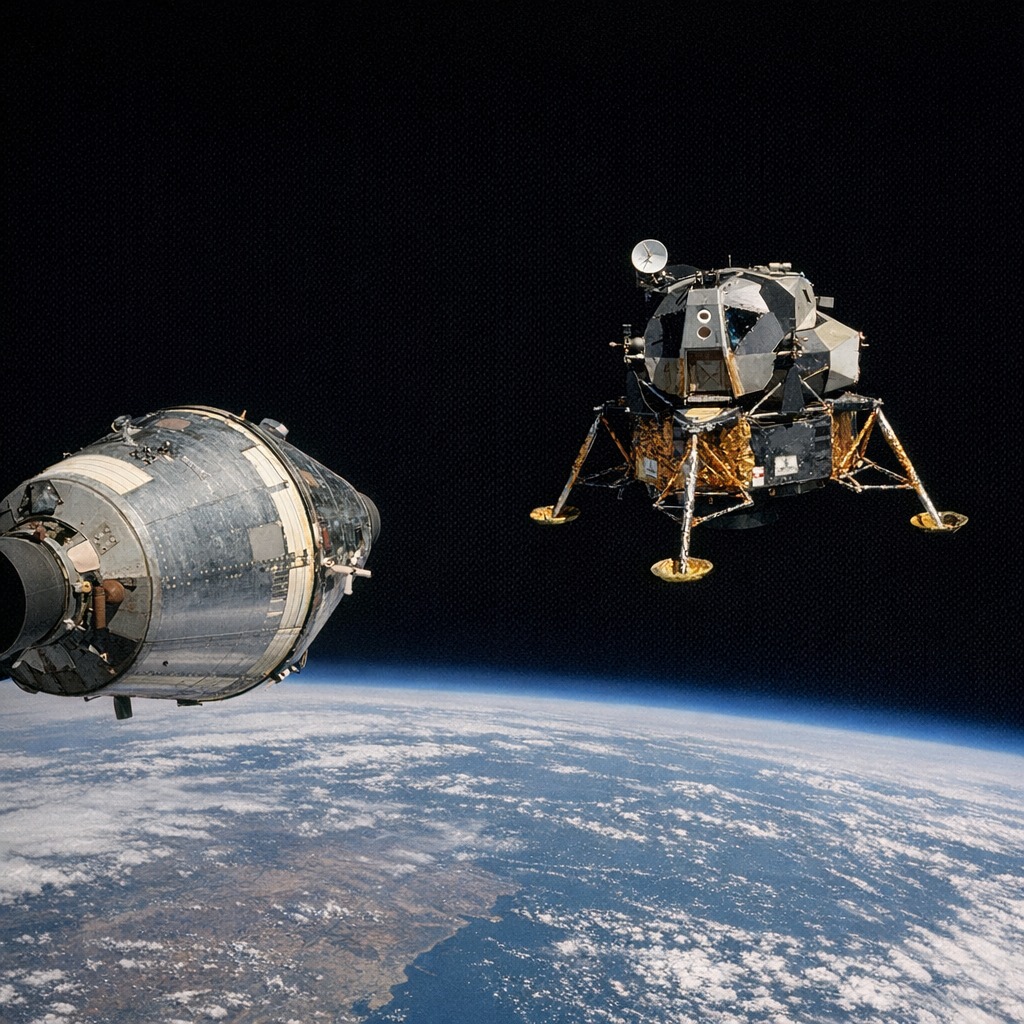
On March 7, 1969, during the Apollo 9 mission, the lunar module nicknamed “Spider” successfully undocked from the command module “Gumdrop” for its first independent flight in Earth orbit. Astronauts James McDivitt and Russell Schweickart piloted Spider while David Scott remained aboard Gumdrop.
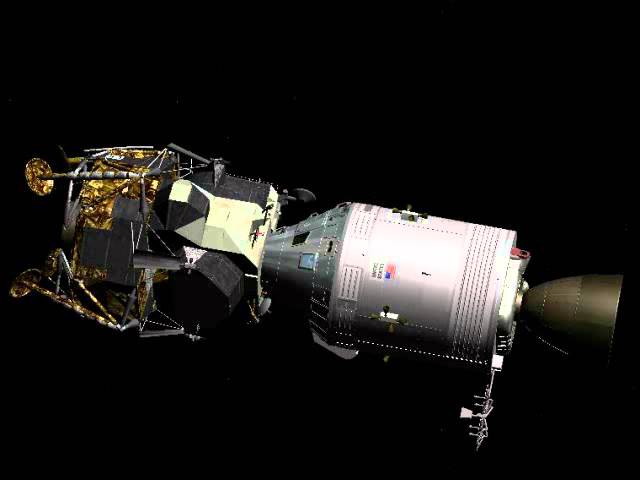
This key event marked the first crewed solo operation of the lunar module, a vehicle never before flown with humans. After separation, Spider performed a series of critical maneuvers: testing its descent propulsion system (DPS) engine at varying thrust levels, jettisoning the descent stage, and firing the ascent engine to simulate the maneuvers needed for lunar orbit rendezvous and return.
The two spacecraft separated to distances of up to about 100 miles (160 km), then executed precise rendezvous procedures, culminating in a flawless docking. Throughout the 6-hour, 23-minute separation, both Spider and Gumdrop operated perfectly, with no significant issues reported.
This demonstration proved the lunar module’s systems—independent propulsion, attitude control, navigation, and docking—worked exactly as designed in space. It removed major technical risks and cleared the path for subsequent missions: Apollo 10’s lunar orbit rehearsal and Apollo 11’s historic Moon landing just four months later.
Apollo 9’s success was a pivotal milestone in NASA’s journey to put humans on the lunar surface.
