A rare visitor from the outer edges of our solar system is heading our way
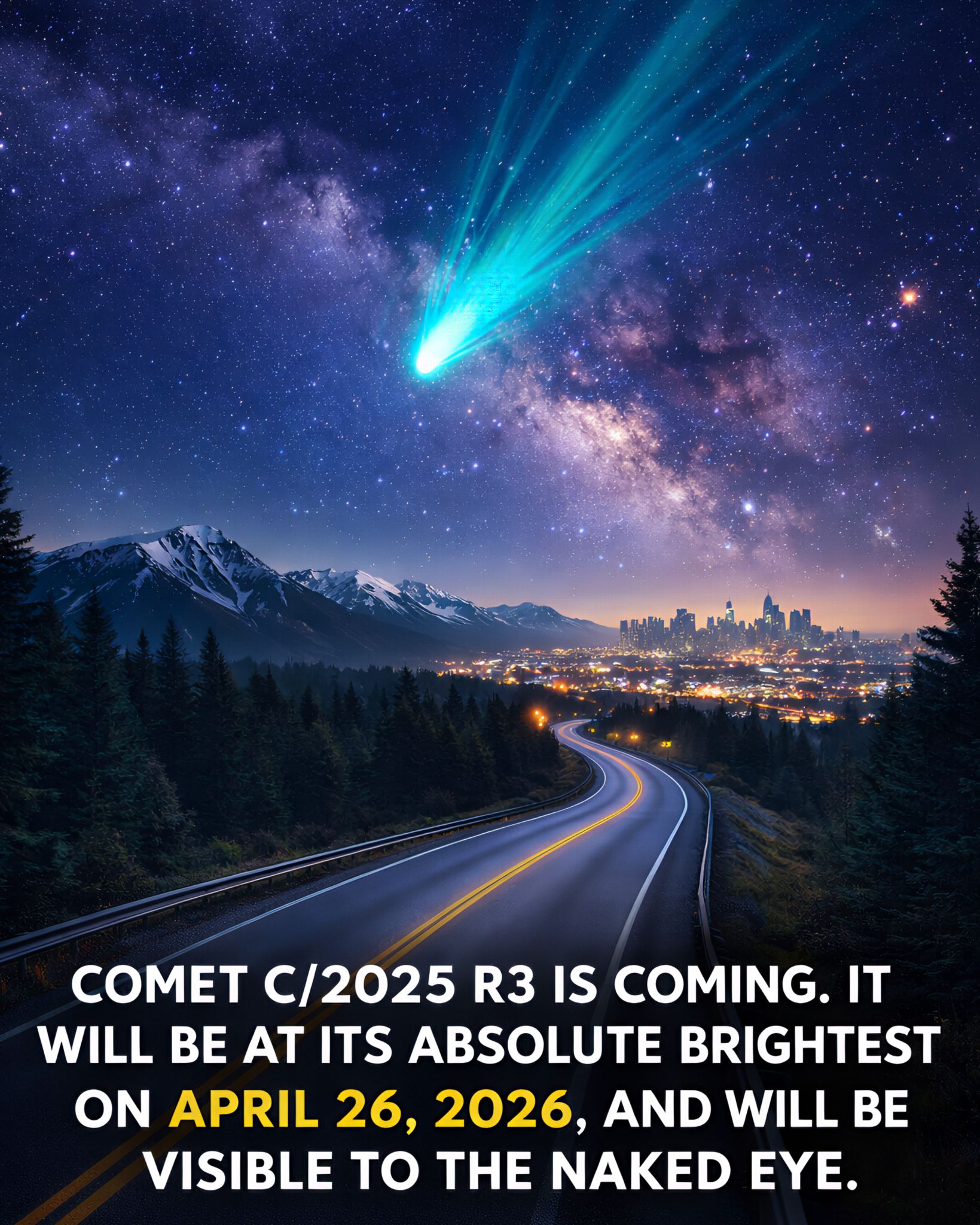
A rare visitor from the outer edges of our solar system is heading our way — and it could become one of the most spectacular skywatching events of 2026.
The newly discovered Comet C/2025 R3 (PanSTARRS) is expected to brighten dramatically in April 2026, with the potential to become visible to the naked eye under dark skies.
This icy traveler will reach perihelion — its closest point to the Sun — around April 19–20, 2026. As it sweeps past the Sun, solar heat will cause the comet to release gas and dust, forming the glowing coma and long shimmering tail that make comets such breathtaking sights in the night sky.
Just days later, the comet will make its closest approach to Earth on April 26–27, 2026, passing about 44 million miles (71 million km) away. While that might sound distant, in astronomical terms it’s close enough for the comet to potentially become a beautiful celestial showpiece Best time to watchThe prime viewing window is expected between April 17 and April 27, 2026, when the comet should appear brightest and easiest to spot.
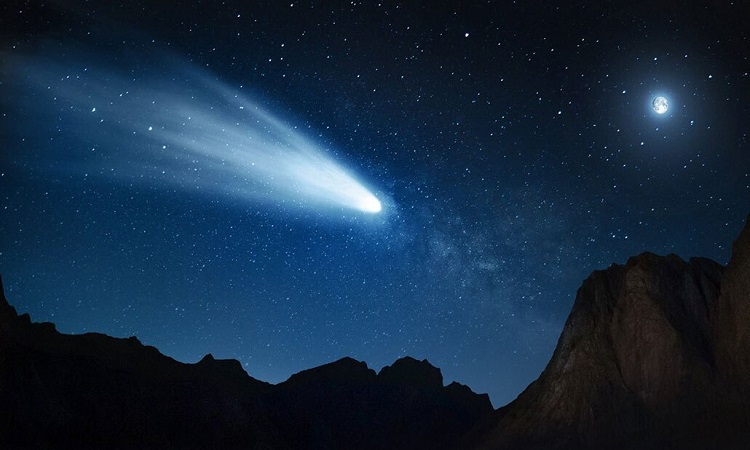
How bright could it get?Current estimates suggest the comet may reach a brightness between magnitude 8 and magnitude 2.5.• Around magnitude 8: visible with binoculars.• Around magnitude 2.5: potentially visible to the naked eye from dark locations.
Astronomers are also watching for a possible forward-scattering effect, where sunlight passing through the comet’s dust tail can briefly make it glow even brighter.
Where will it be visible?The comet should be visible across much of the world. The Southern Hemisphere is expected to enjoy the best views, but observers in the United States and other northern regions may still catch it low on the horizon.
Morning and evening viewing• Before perihelion: look for it in the morning sky before sunrise.• After perihelion: it may shift into the evening sky after sunset, making it easier for many skywatchers to spot.
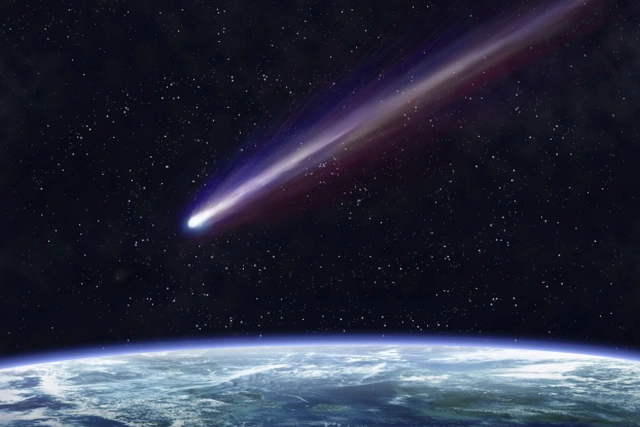
A glowing comet sweeping across the night sky is one of nature’s rarest spectacles.
Mark your calendar — April 2026 could bring a cosmic show you won’t want to miss.
#Comet #Astronomy #NightSky #Space #Skywatching #CosmicEvent #Stargazing
