
The Origin of Life: Earth’s Greatest Scientific Mystery
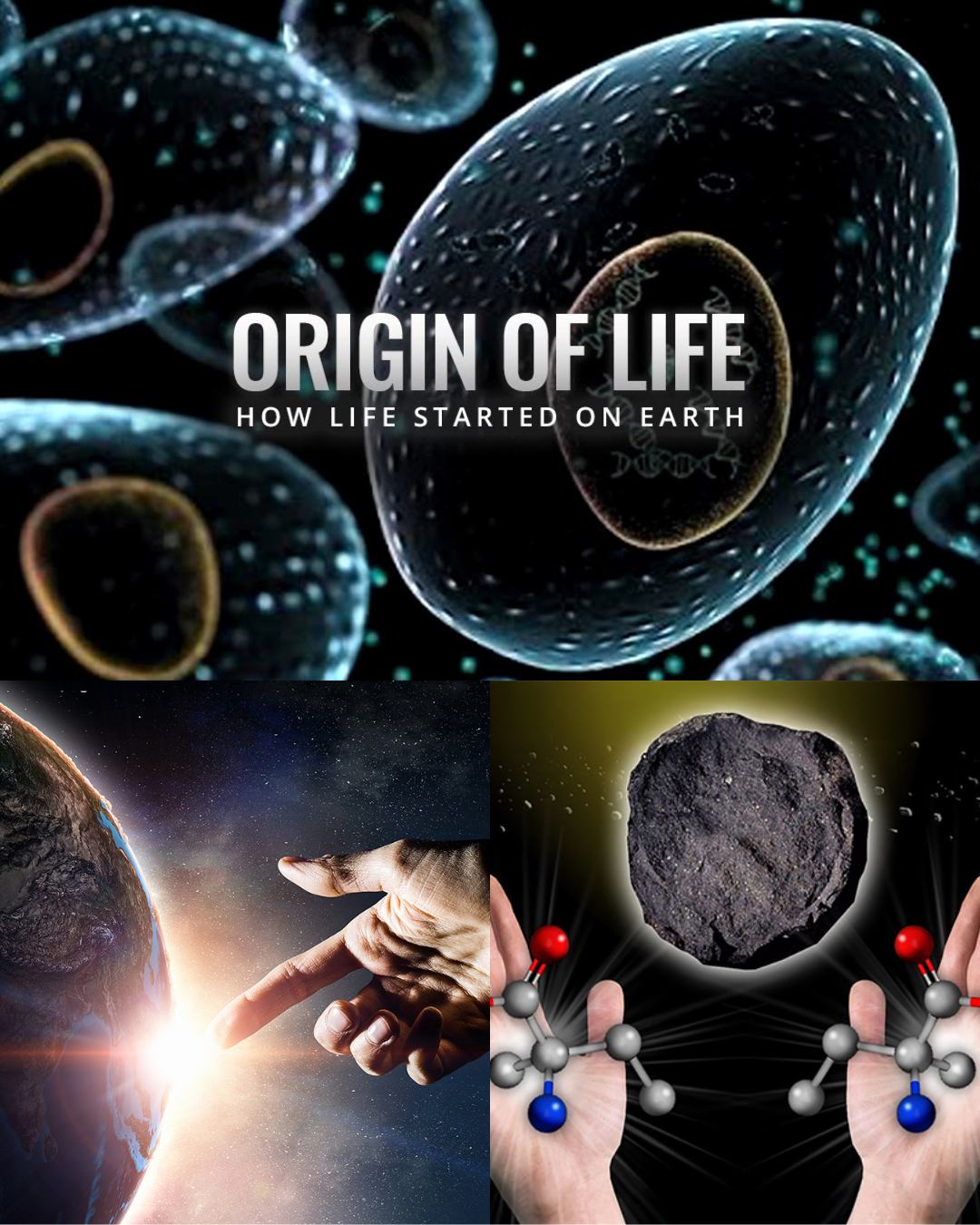
📰 The Origin of Life: Earth’s Greatest Scientific Mystery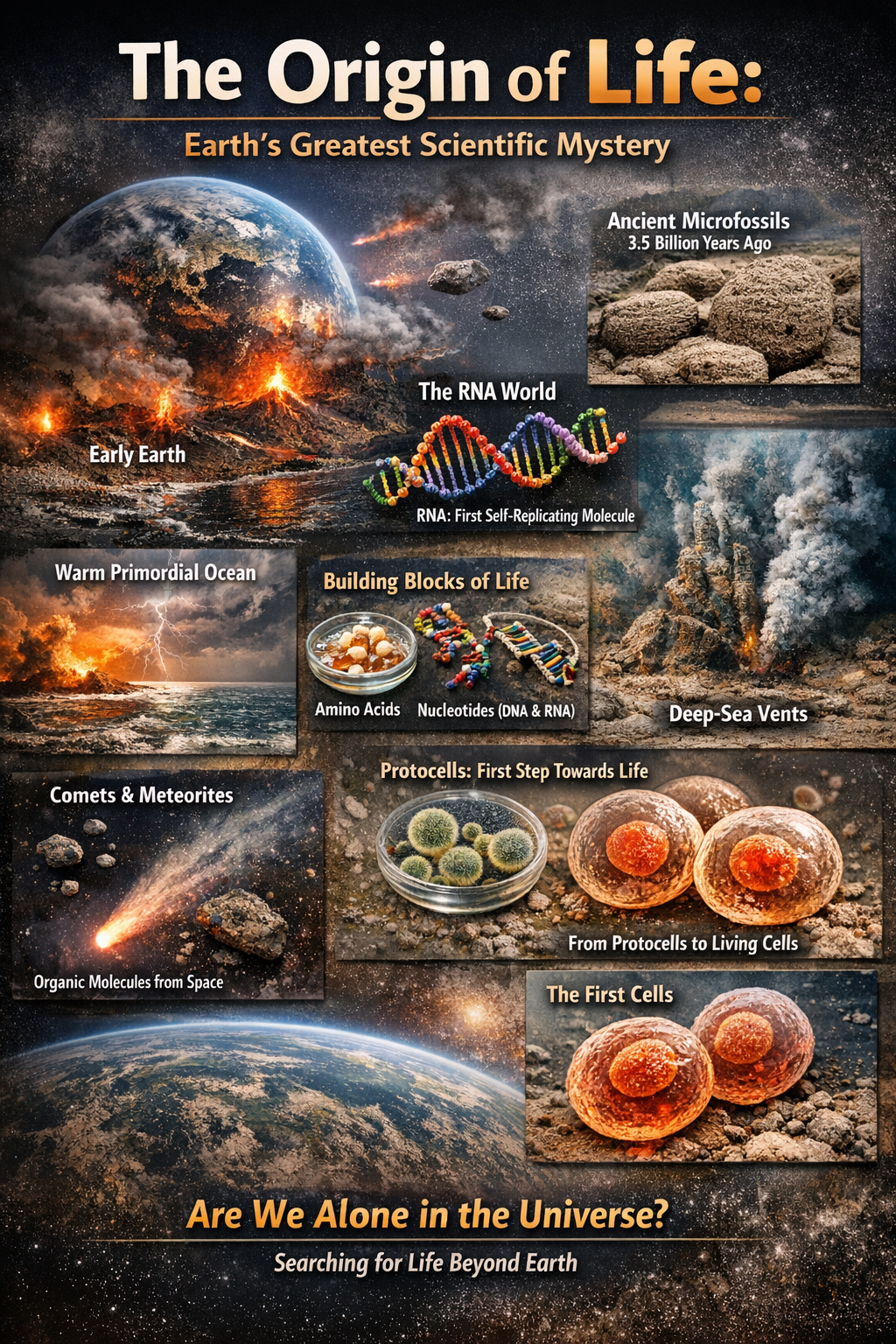
Introduction
One of the most profound questions in science is simple yet deeply complex:
How did life begin on Earth?
This question lies at the heart of the study of the Abiogenesis, and despite decades of research, the exact origin of life remains one of the greatest mysteries in science.
Early Earth: A Harsh Beginning
Earth formed about 4.5 billion years ago, and its early environment was extremely hostile. The planet was:
-
Covered in volcanic activity
-
Bombarded by asteroids and comets
-
Filled with a thick, toxic atmosphere
Yet, in this chaotic environment, the first signs of life eventually appeared.
The First Evidence of Life
The earliest evidence of life dates back approximately 3.5 to 4 billion years, found in ancient rock formations and fossilized microbial structures.
These early life forms were extremely simple—likely single-celled organisms similar to modern bacteria.
The Role of Chemistry
Scientists believe life began through chemical processes involving simple molecules.
Key building blocks of life include:
-
Amino acids (proteins)
-
Nucleotides (DNA and RNA)
-
Lipids (cell membranes)
Experiments such as the famous Miller-Urey experiment demonstrated that organic molecules could form under early Earth conditions, suggesting that the ingredients for life can arise naturally.
The RNA World Hypothesis
One leading theory is the RNA World Hypothesis, which proposes that early life was based on RNA World Hypothesis.
RNA is unique because it can both store genetic information and catalyze chemical reactions, making it a strong candidate for the first self-replicating molecule.
Alternative Theories
Scientists have proposed several other ideas to explain the origin of life:
-
Hydrothermal vent theory: Life may have originated near deep-sea volcanic vents, where heat and minerals provided energy for chemical reactions.
-
Panspermia: Life may have arrived on Earth from space via comets or meteorites.
-
Primordial soup theory: Life emerged from a “soup” of organic molecules in ancient oceans.
Despite these theories, none fully explain exactly how non-living matter became living organisms.
The Role of Water and Energy
Water is considered essential for life as we know it. It acts as a solvent, allowing chemical reactions to occur.
Energy sources such as:
-
Lightning
-
UV radiation
-
Geothermal heat
may have driven the chemical reactions that led to the first living cells.
The First Cells
At some point, simple molecules organized into protocells—structures capable of maintaining an internal environment.
These protocells eventually evolved into the first true cells, marking the beginning of biological evolution.
Why the Origin of Life Matters
Understanding how life began on Earth could help scientists:
-
Search for life on other planets
-
Understand the chemistry of life
-
Explore the possibility of life elsewhere in the universe
It also helps answer a deeper question:
Is life a rare accident, or an inevitable outcome of the universe?
Conclusion
The origin of life remains one of the most enduring mysteries in science. While many theories offer possible explanations, none have yet fully uncovered the exact pathway from chemistry to biology.
As research continues, scientists hope to unlock the secrets of how life first emerged—revealing not only our past, but also our place in the universe.
