
The James Webb Space Telescope Has Just Detected a Fully Habitable Planet
Recent viral headlines claiming that the James Webb Space Telescope has discovered a “fully habitable planet” have sparked widespread excitement, but these claims significantly overstate what scientists have actually confirmed. While such a discovery would rank among the most profound breakthroughs in human history, there has been no official announcement from NASA or the international teams operating JWST that any planet comparable to Earth in habitability has been found. The enthusiasm instead reflects both the telescope’s extraordinary capabilities and the public’s deep fascination with the search for life beyond our planet, underscoring the need to separate promising results from definitive conclusions.
JWST, launched in December 2021, is the most powerful space observatory ever built, operating primarily in the infrared rather than the visible and ultraviolet wavelengths used by the Hubble Space Telescope. This allows it to peer through cosmic dust, study the earliest galaxies, and—most notably—analyze the atmospheres of exoplanets with unprecedented sensitivity. Several of the planets it has examined orbit within their stars’ so-called habitable zones, making them attractive targets for atmospheric studies. Early data have already shown, however, that some of these worlds may lack thick atmospheres altogether, dramatically reducing their potential to support life and highlighting how complex and uncertain habitability assessments can be.
When media outlets use the phrase “fully habitable planet,” they imply a level of certainty that science rarely offers at this stage. Habitability exists on a spectrum: a planet might show hints of water vapor but lack surface oceans, sit at an average suitable temperature while enduring intense stellar radiation, or possess an atmosphere dominated by gases hostile to known life. Scientists also search for biosignatures—chemical indicators such as oxygen and methane existing together in ways difficult to explain without biology—but even these signals can have non-biological origins. False positives remain a major concern, and extraordinary claims require extraordinary evidence.
Although JWST represents a major leap forward, it cannot directly image the surfaces of Earth-sized planets around Sun-like stars. Most of its exoplanet insights come from indirect techniques like transit spectroscopy, which, while powerful, provide limited information. Data interpretation is further complicated by faint signals, stellar activity, and instrumental uncertainties, which is why researchers emphasize cautious language, statistical confidence, and peer review before drawing firm conclusions.
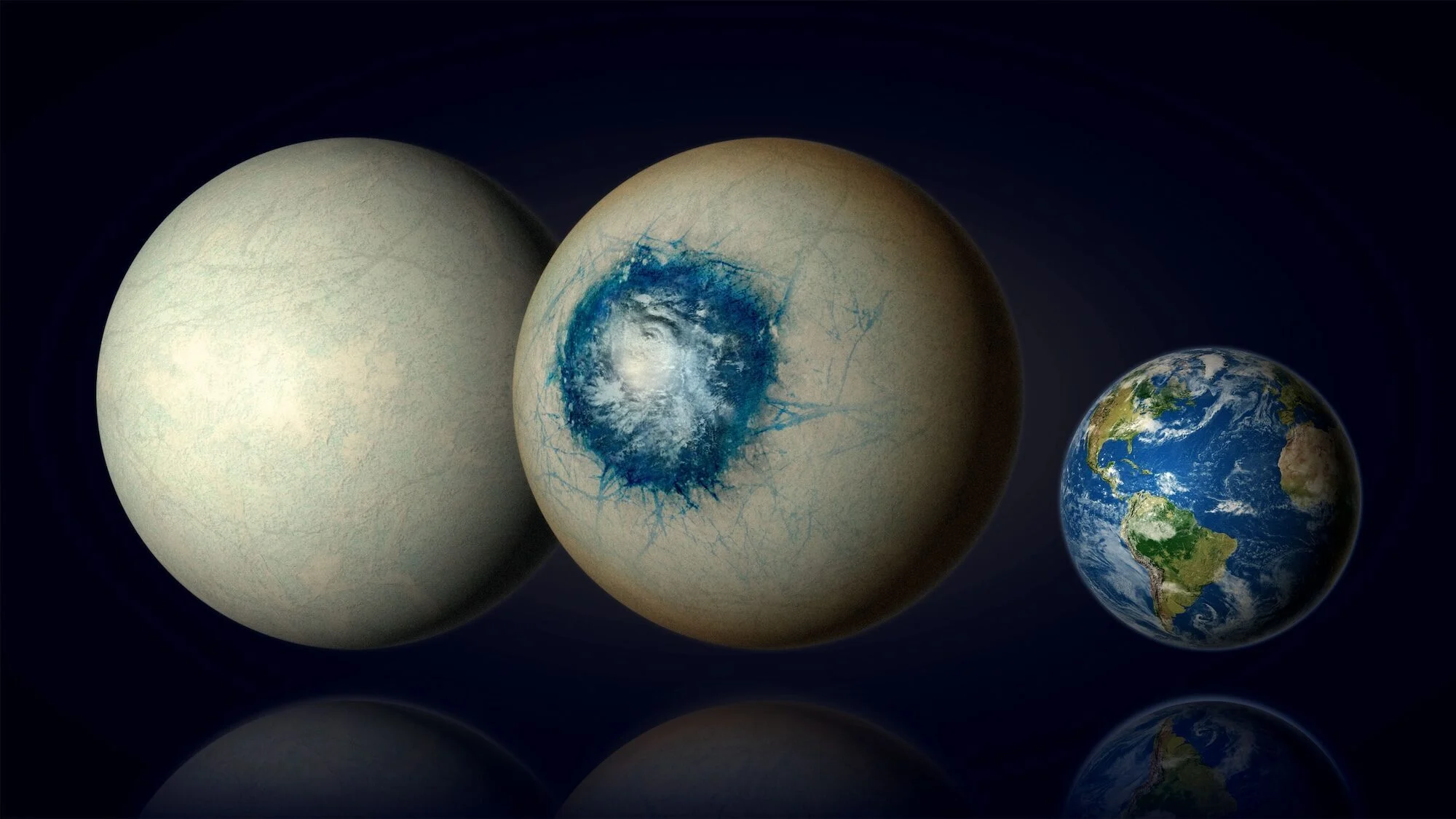
Importantly, the absence of a confirmed “fully habitable planet” does not diminish JWST’s impact. The telescope has already revolutionized our understanding of planetary diversity, revealing lava worlds, ocean-world candidates, scorching gas giants, and rocky super-Earths unlike anything in our solar system. This diversity suggests the universe hosts a vast range of environments, some of which may support life in forms we have yet to imagine.
Looking ahead, future missions will build on JWST’s foundation. The Nancy Grace Roman Space Telescope, expected to launch later this decade, will conduct wide-field surveys to identify more promising exoplanets, while proposed next-generation observatories aim to directly image Earth-sized worlds and analyze their reflected light for stronger signs of habitability.
For now, dramatic headlines should be met with critical thinking. JWST has not yet discovered a fully habitable planet, but it has brought us closer than ever to identifying credible candidates. Scientific progress is incremental, evidence-based, and patient. Each observation adds a piece to an enormous puzzle, and while the final answer to whether we are alone in the universe remains elusive, the journey—guided by instruments like the James Webb Space Telescope—is steadily reshaping our understanding of the cosmos.
