
The Bennington Triangle Disappearances (1945–1950): America’s Forgotten Mystery Zone
📰 The Bennington Triangle Disappearances (1945–1950): America’s Forgotten Mystery Zone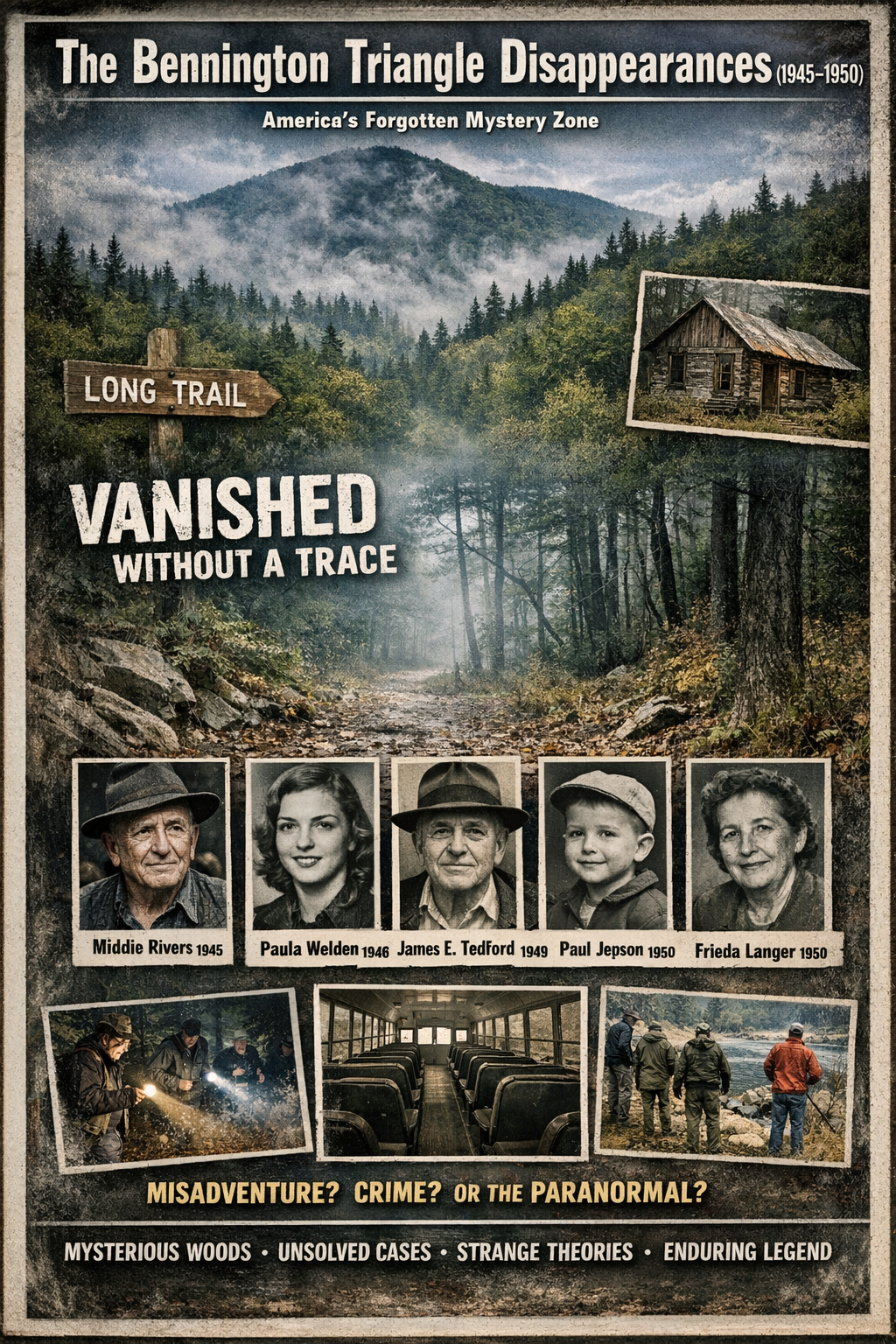
Introduction
Between 1945 and 1950, a series of unexplained disappearances occurred in a remote region of the northeastern United States. These cases, collectively known as the Bennington Triangle disappearances, have led some to compare the area to a land-based version of the Bermuda Triangle.
Centered around Bennington, the mystery continues to intrigue investigators, historians, and paranormal enthusiasts.
The Mysterious Region
The so-called “Bennington Triangle” is not an official geographic designation, but a term used to describe an area that includes:
-
Glastenbury Mountain
-
Wooded wilderness and abandoned settlements
-
Rugged terrain with unpredictable weather
Local legends long before the disappearances spoke of strange occurrences, unusual sounds, and an unsettling atmosphere.
The Disappearances
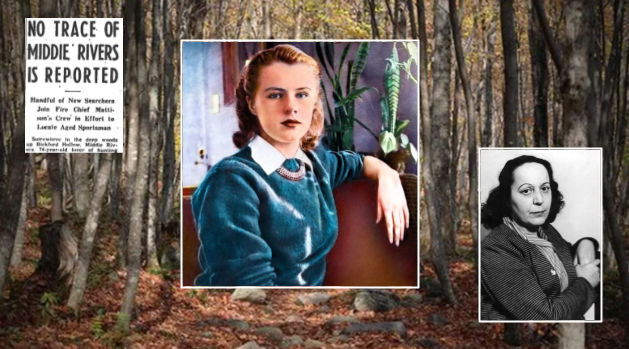
1. Middie Rivers (1945)
An experienced hunter and guide, Rivers vanished while leading a group near Glastenbury Mountain. He walked ahead of the group—and was never seen again.
2. Paula Jean Welden (1946)
An 18-year-old college student, Welden disappeared while hiking the Long Trail. Witnesses reported seeing her on the trail, but she vanished without a trace.
3. James E. Tedford (1949)
Tedford disappeared from a moving bus. Passengers claimed he was asleep in his seat—yet when the bus arrived, he was gone, leaving his belongings behind.
4. Paul Jepson (1950)
An 8-year-old boy, Jepson vanished while playing near his family’s farm. Despite extensive searches, no trace of him was found.
5. Frieda Langer (1950)
Langer disappeared while hiking. Her body was found months later in an area that had already been searched multiple times—raising further questions.
Strange Patterns
Several unusual patterns connect these cases:
-
Most occurred within a relatively small geographic area
-
Many took place between late fall and early winter
-
Victims vanished without clear evidence or clues
-
Search efforts often yielded little or nothing
These similarities have fueled speculation for decades.
Theories Behind the Mystery
1. Natural Explanations
Dense forests, harsh weather, and difficult terrain could easily disorient travelers and make search efforts difficult.
2. Criminal Activity
Some believe a serial offender may have been responsible, though no evidence confirms this.
3. Psychological Factors
Disorientation, panic, or poor decision-making may have contributed to the disappearances.
4. Paranormal Theories
Local folklore speaks of curses, spirits, and even portals. Some speculate about supernatural forces or unexplained phenomena.
Why the Mystery Endures
The Bennington Triangle remains unsolved due to:
-
Lack of physical evidence
-
Conflicting witness accounts
-
The passage of time
Its combination of real disappearances and eerie folklore keeps the story alive.
Why It Matters
The case highlights the dangers of wilderness environments and the limits of search and rescue operations. It also reflects humanity’s fascination with the unknown.
Conclusion
The Bennington Triangle disappearances remain one of America’s most chilling unsolved mysteries.
Whether the result of natural causes, human actions, or something more mysterious, the question still lingers:
What happened in the forests of Vermont between 1945 and 1950?
Until answers are found, the legend of the Bennington Triangle continues to haunt the imagination.
