
The Disappearance of the Neanderthals: An Ancient Human Mystery
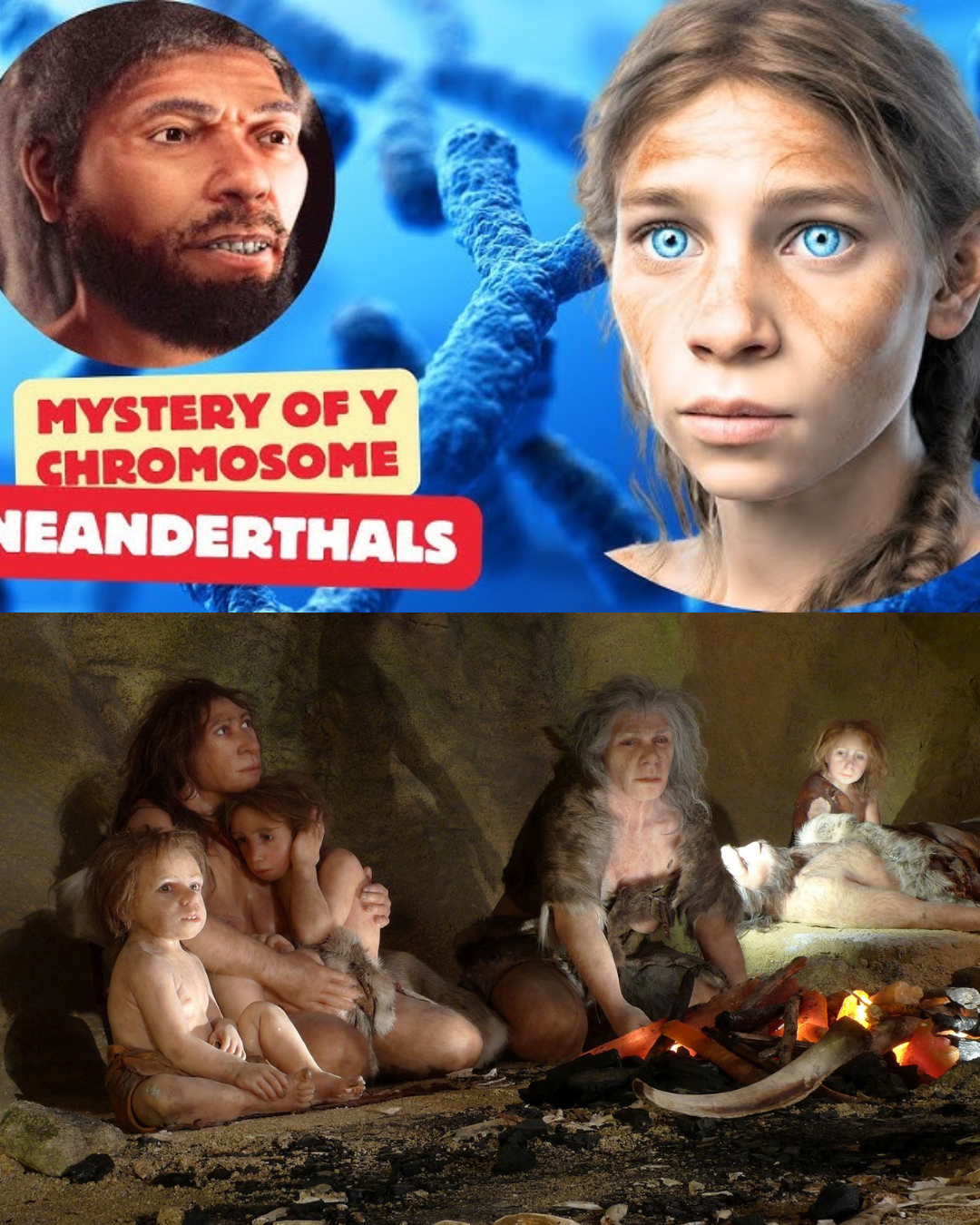
📰 The Disappearance of the Neanderthals: An Ancient Human Mystery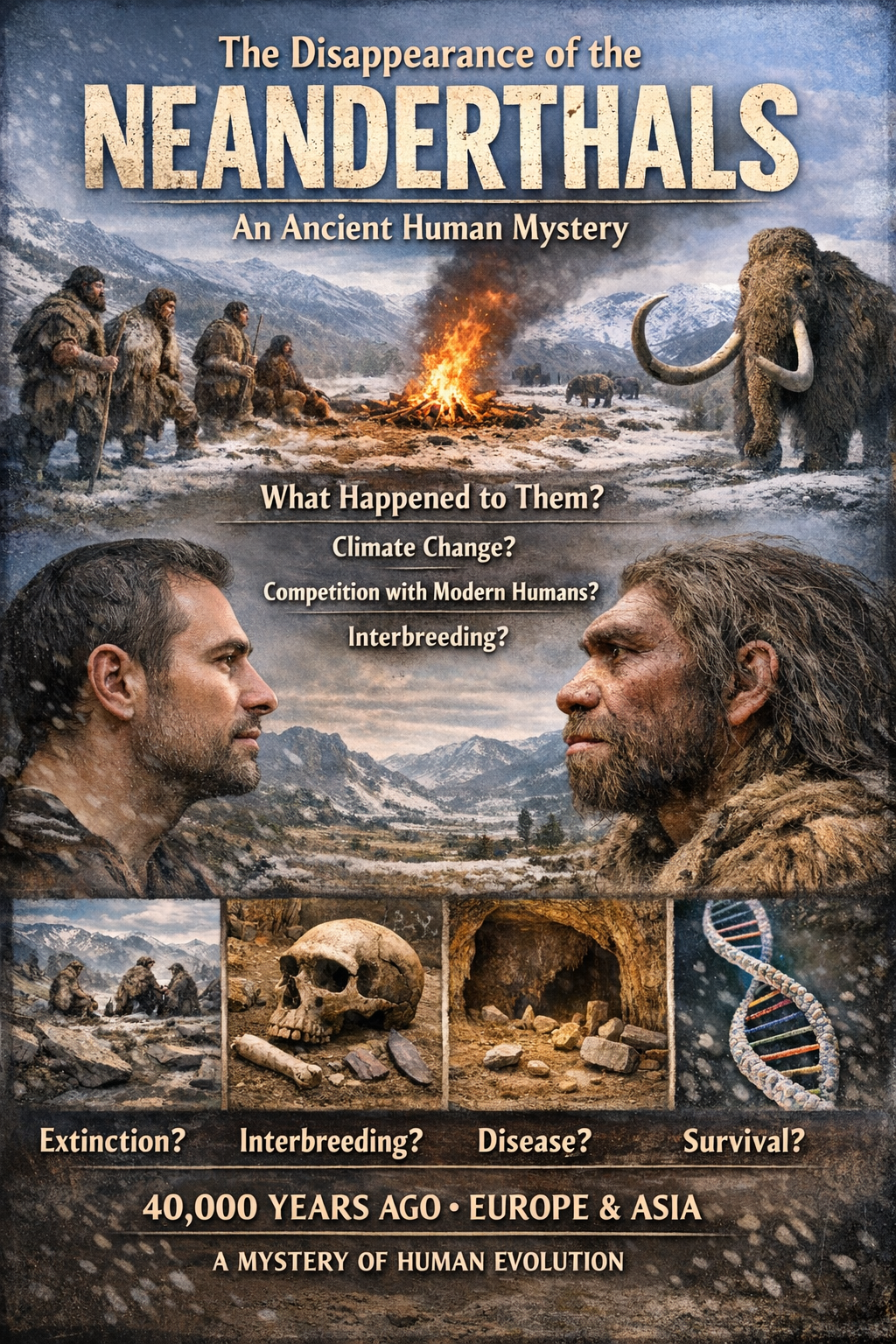
📍 Region: Europe and Western Asia
🗓️ Timeline: Around 40,000 years ago
Introduction
For hundreds of thousands of years, the Neanderthals were one of the most successful human species on Earth. Closely related to modern humans, they lived across Europe and parts of Western Asia. Yet, around 40,000 years ago, they suddenly disappeared.
Their extinction remains one of the greatest mysteries in human evolution.
Who Were the Neanderthals?
Neanderthals were:
- A species closely related to modern humans
- Adapted to cold Ice Age environments
- Skilled hunters and toolmakers
They lived in:
- Europe
- The Near East
- Parts of Central Asia
Scientific discoveries show they were not “primitive,” but intelligent and adaptable.
A Sudden Disappearance
Despite their long success, Neanderthals vanished relatively quickly.
- Around 40,000 years ago, their populations declined sharply
- Within a few thousand years, they were gone
- No clear single event explains their extinction
This rapid disappearance has puzzled scientists for decades.
Theories Behind Their Extinction
Researchers have proposed several explanations:
1. Competition with Modern Humans
When modern humans—Homo sapiens—arrived in Europe, they may have:
- Outcompeted Neanderthals for food and resources
- Had more advanced tools and social organization
- Used better hunting strategies
2. Climate Change
The Ice Age environment was highly unstable:
- Rapid temperature shifts
- Changing ecosystems
- Reduced food supply
Neanderthals may have struggled to adapt quickly enough.
3. Interbreeding
Genetic evidence shows:
- Neanderthals and modern humans interbred
- Many people today carry a small percentage of Neanderthal DNA
Some scientists believe they were not fully replaced, but absorbed into the human population.
4. Disease
Modern humans may have brought new diseases:
- Neanderthals lacked immunity to certain pathogens
- Epidemics could have spread rapidly
What Happened to Them?
The truth may involve a combination of factors:
- Environmental pressures
- Competition with Homo sapiens
- Genetic blending through interbreeding
- Possibly disease or other unknown factors
No single explanation fully accounts for their disappearance.
Evidence from Archaeology
Neanderthal remains have been found at sites such as:
- Neander Valley
- Various caves across Europe
These findings include:
- Tools and weapons
- Burial sites suggesting ritual behavior
- Evidence of symbolic thinking
A Legacy That Lives On
Although they vanished, Neanderthals are not completely gone:
- Many humans today carry Neanderthal DNA
- Traits like immune responses and even physical features may be inherited
- Their legacy lives on within us
Conclusion
The disappearance of the Neanderthals remains one of science’s most intriguing puzzles. Were they outcompeted, absorbed, or unable to survive a changing world?
While we may never have a single definitive answer, one thing is certain:
Neanderthals are not just a lost species—they are part of our own story.
