
When a Classroom Dispute Became a Seven-Year Courtroom Battle
When a Classroom Dispute Became a Seven-Year Courtroom Battle
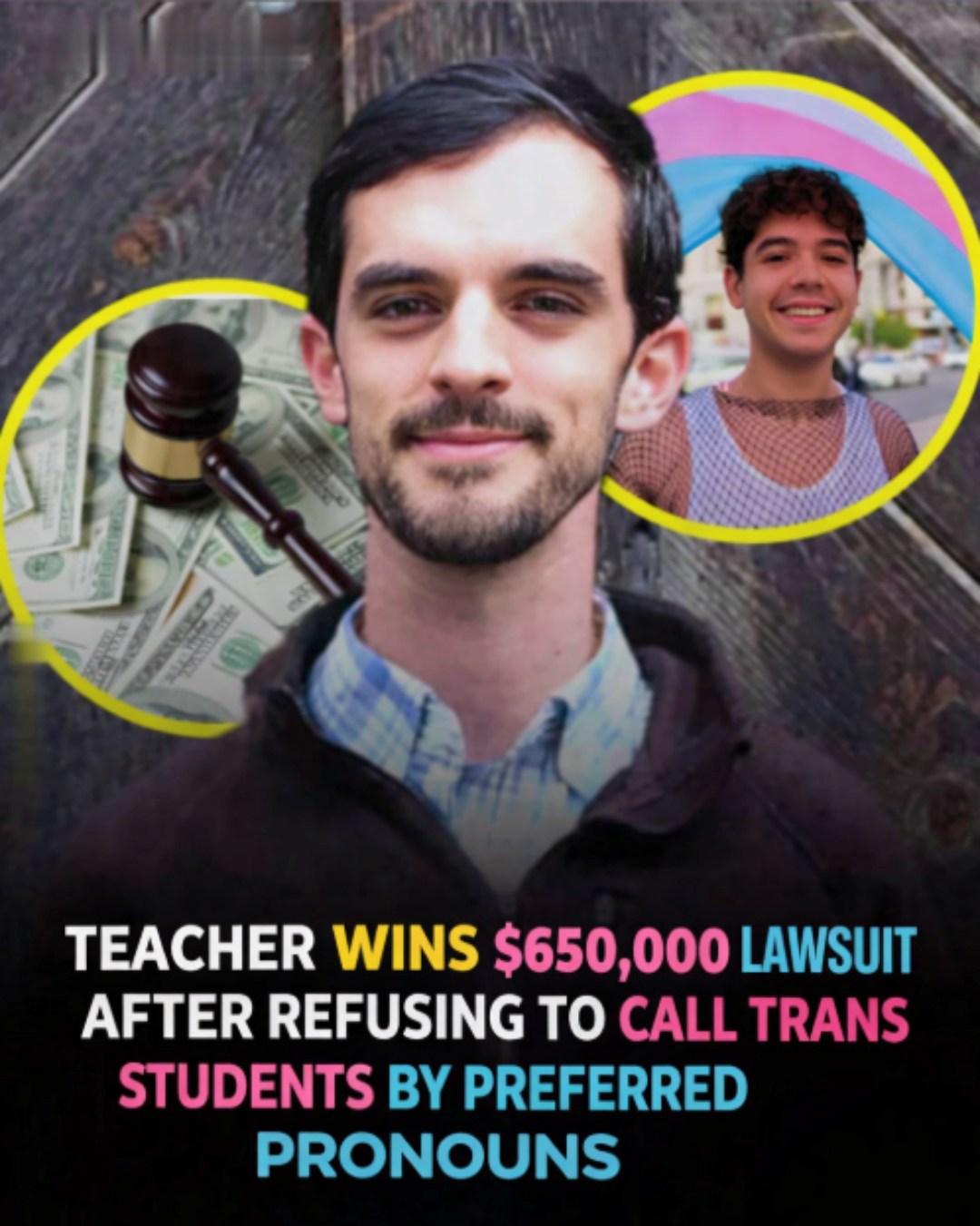
What began as a disagreement over language and identity inside a high school classroom grew into a prolonged legal conflict that would span nearly a decade. In 2017, teacher John Kluge declined to use certain students’ preferred pronouns, explaining that doing so conflicted with his personal religious beliefs. Seeking a middle ground, he adopted a policy of addressing all students by their last names. While intended as a neutral solution, several students said the approach made them feel isolated rather than respected.

As tensions rose, school administrators eventually reversed the compromise and asked Kluge to follow standard communication guidelines. He chose to resign, and the dispute soon moved beyond the school walls and into the legal system. The case drew attention from advocacy groups, legal scholars, and communities nationwide, each interpreting the situation through their own lens of rights, responsibilities, and values.
Years of hearings, appeals, and negotiations followed. In the end, the matter concluded not with a dramatic verdict, but with a confidential settlement totaling $650,000. The resolution closed the legal chapter, yet left broader questions unresolved.

For many observers, the story highlights the complex balance between individual convictions, institutional policies, and the evolving expectations of modern classrooms. It remains a reminder that even small disagreements can grow into defining legal and cultural debates — shaping conversations long after the final documents are signed.
