
Why 3I/ATLAS sparked confusion, quiet revisions, and deeply unsettling questions
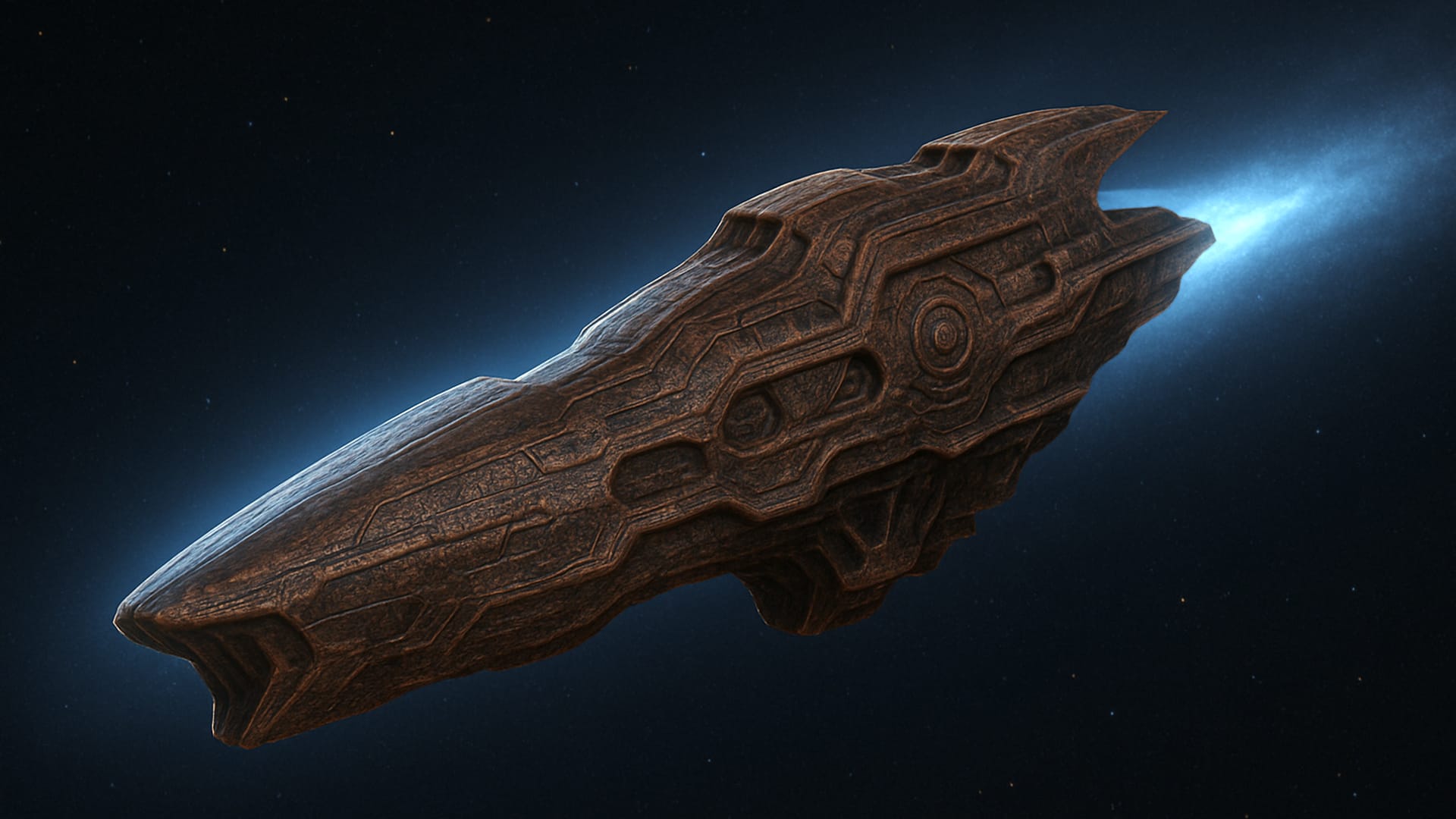
It should have been simple—3I/ATLAS arrives, passes through, and leaves. End of story. But nothing about this interstellar visitor behaved as expected. Scientists stared at data that refused to align neatly, with subtle anomalies and residual signals that could not be easily explained as ordinary debris or instrument noise. Post-passage measurements hinted at fragmentation, outgassing, or strange gravitational interactions, the kind of observations that make astrophysicists mutter phrases like “annoyingly ambiguous” and “we need to revisit our assumptions.”
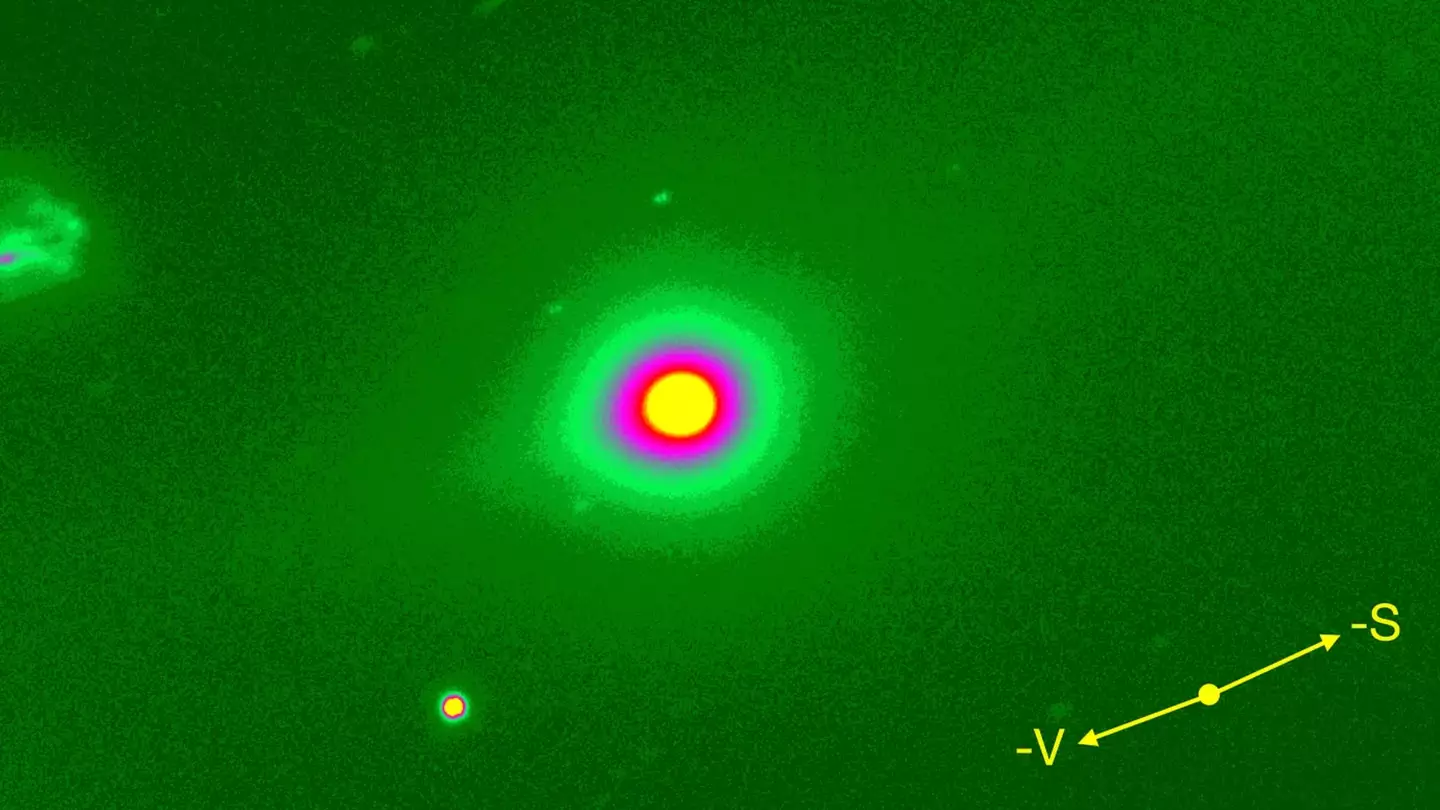
NASA responded carefully, emphasizing uncertainty and patience, but the internet saw only one headline: “THE OBJECT DID SOMETHING.” Within hours, glowing thumbnails, red arrows, and confident proclamations flooded social media—self-proclaimed “astro-intelligence analysts” claimed signs of non-random dispersion, while conspiracy accounts declared that the silence itself was proof of a cover-up.

Real astronomers reminded the public that space is hostile, unpredictable, and far from tidy, but nuance rarely trends. Even if these anomalies eventually have natural explanations, the idea that something from outside our solar system passed through and left behind inexplicable signatures has already lodged itself in the public imagination. Humanity prefers visitors who wave politely and leave no trace—but 3I/ATLAS did not.
