
👽🧬 Scientists Tested DNA from 3,000-Year-Old Elongated Skulls in Peru — And the Results Sparked a Global Mystery 😱
- PhamThuy
- March 29, 2026
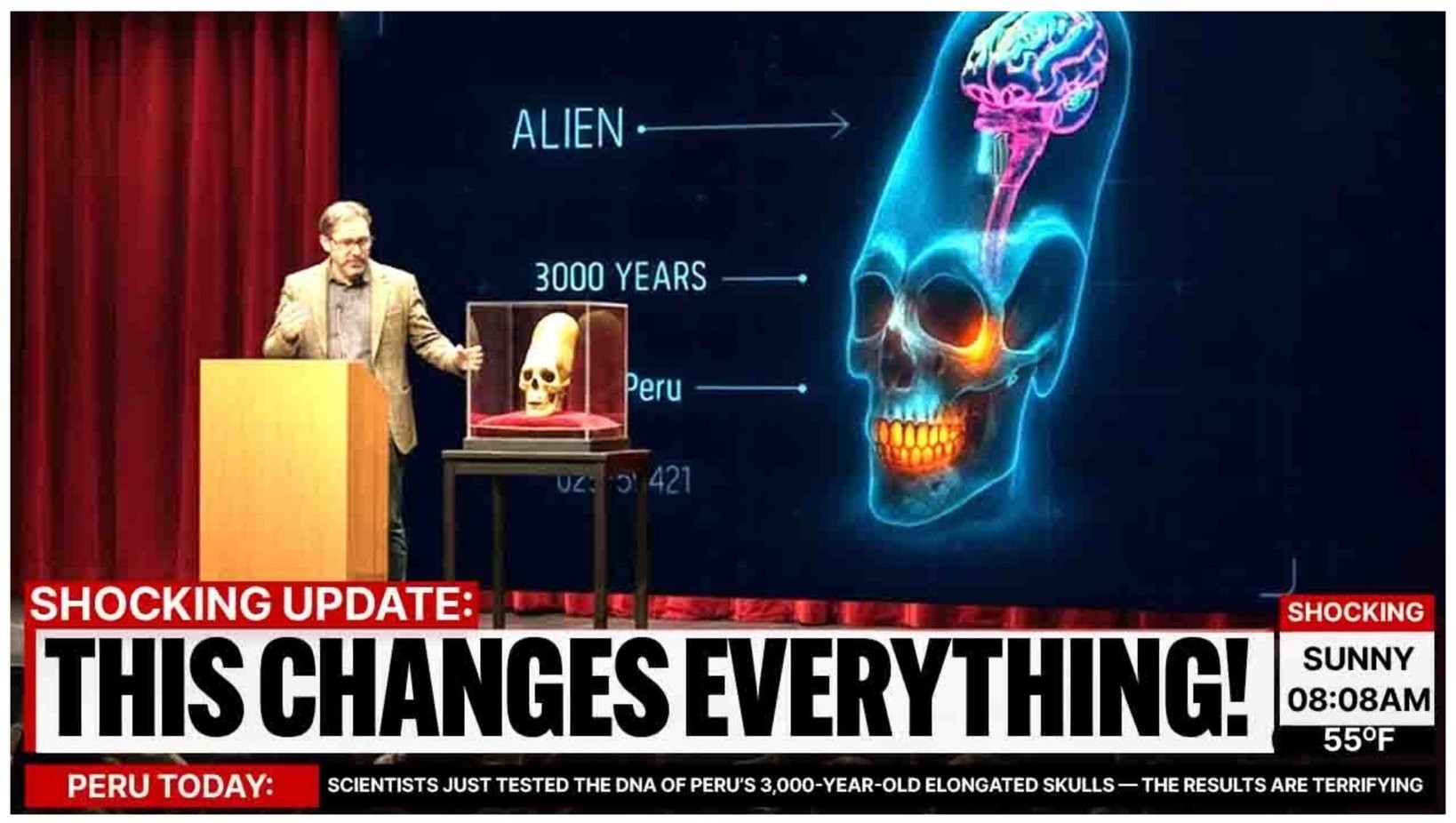
Deep in the desert region once home to the ancient Paracas culture, archaeologists uncovered something extraordinary:
human skulls with dramatically elongated shapes unlike anything most people had ever seen.
At first, experts believed they understood why. But DNA testing later reopened the mystery in unexpected ways.
🏺 More Than Just an Ancient Tradition?
For years, researchers explained the unusual skull shapes as the result of cranial deformation—a cultural practice in which infants’ heads were gently bound to create a symbolic shape associated with identity, status, or beauty.
This tradition is known from several ancient societies around the world.
However, when genetic testing was attempted on some Paracas remains, claims began circulating online suggesting “unknown markers” had appeared in the results.
That’s when the story went viral.
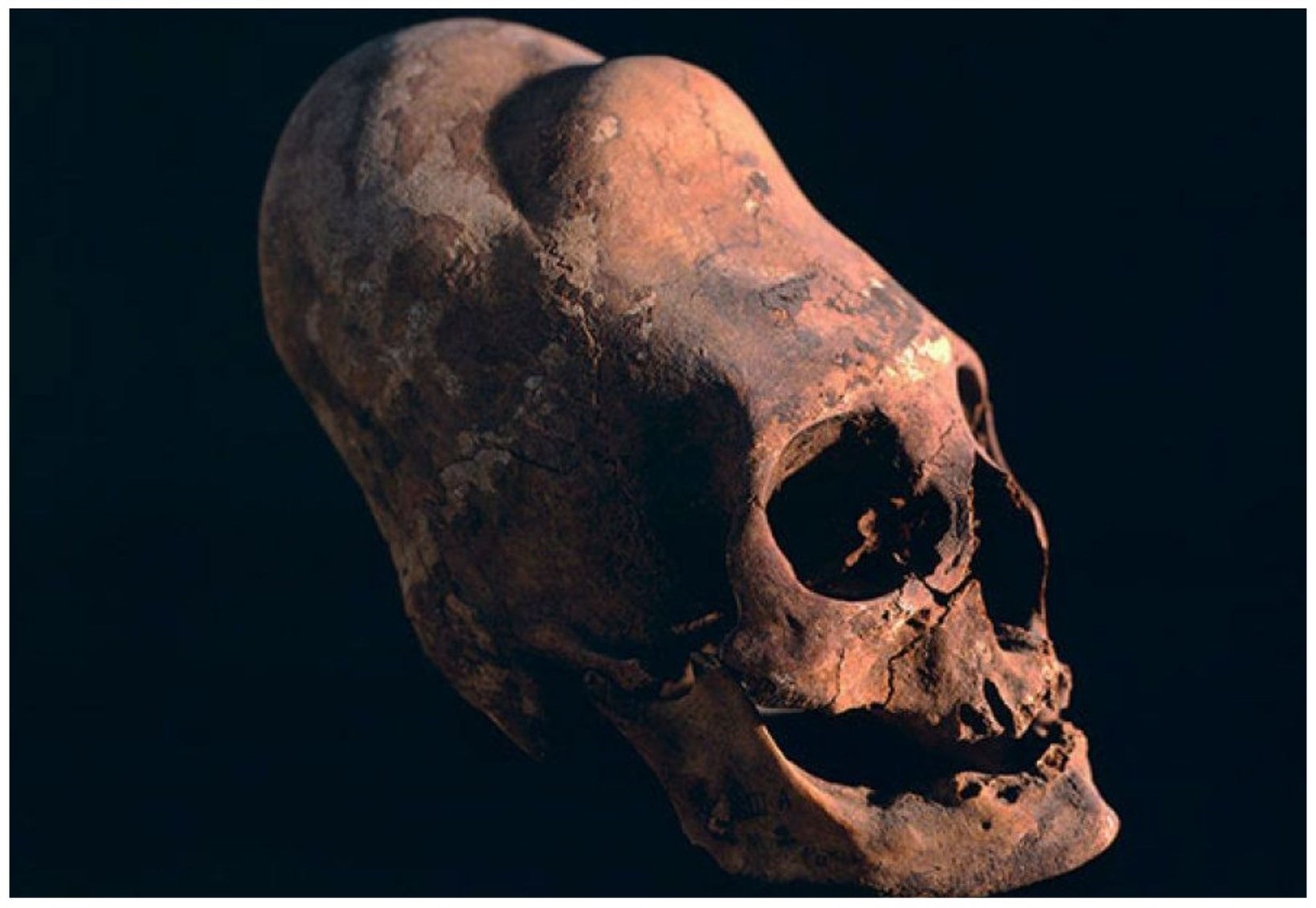
🧬 What the DNA Actually Suggests
Some early experimental analyses reported unusual sequences—but these findings were never confirmed by major peer-reviewed studies.
In fact, most archaeologists agree:
There is no verified scientific evidence showing the Paracas people were non-human or outside normal human variation.
Instead, researchers believe contamination, limited sampling, or misinterpretation likely contributed to the dramatic claims shared online.
Still, the mystery continues to fascinate the public.
🌎 Why the Skulls Still Capture Global Attention
Even without extraordinary DNA conclusions, the elongated skulls remain one of South America’s most striking archaeological discoveries.
They raise powerful questions about:
ancient identity 🏺
cultural symbolism 📜
and how early civilizations shaped the human body to express meaning and belonging.
✨ A Mystery That Challenges Our Imagination — Not Our Origins
Stories suggesting these skulls “change human evolution” remain unproven.
Yet they continue to spread because discoveries like this remind us how little we still know about ancient cultures.
And sometimes, when the past looks unfamiliar—
it feels almost otherworldly. 🌌
