
Japan Airlines Flight 1628 (1986): The UFO Encounter Over Alaska
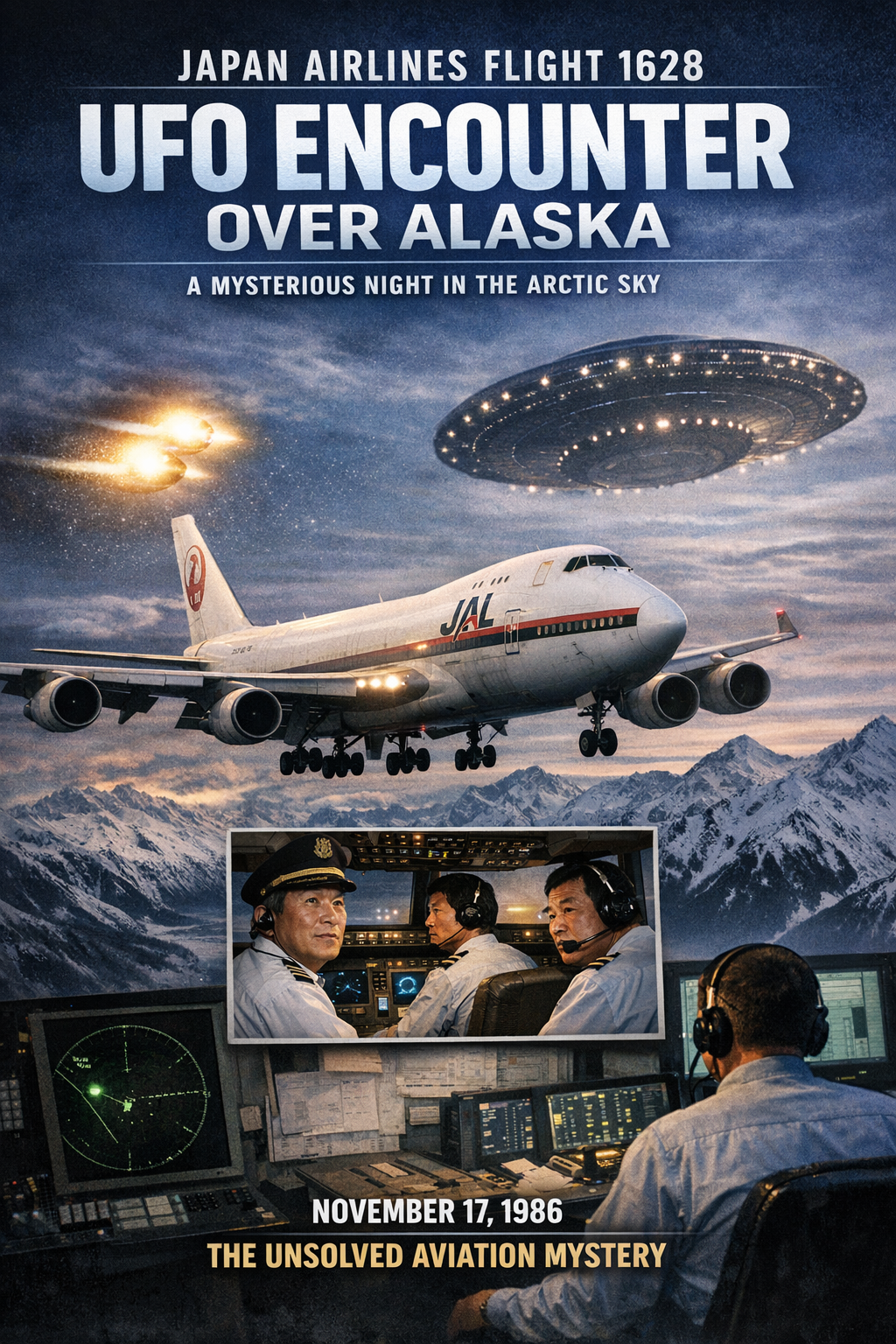
Japan Airlines Flight 1628 (1986): The UFO Encounter Over Alaska
A Mysterious Night in the Arctic Sky
On November 17, 1986, a routine international cargo flight turned into one of the most debated aviation mysteries in modern history. Japan Airlines Flight 1628, a Boeing 747 cargo aircraft traveling from Paris to Tokyo, reported an extraordinary encounter with unidentified flying objects while flying over the remote skies of Alaska.
Unlike many UFO stories, this incident involved professional airline pilots, air traffic controllers, radar observations, and official government investigations, making it one of the most documented UFO cases ever connected to commercial aviation.
✈️ The Aircraft and the Flight
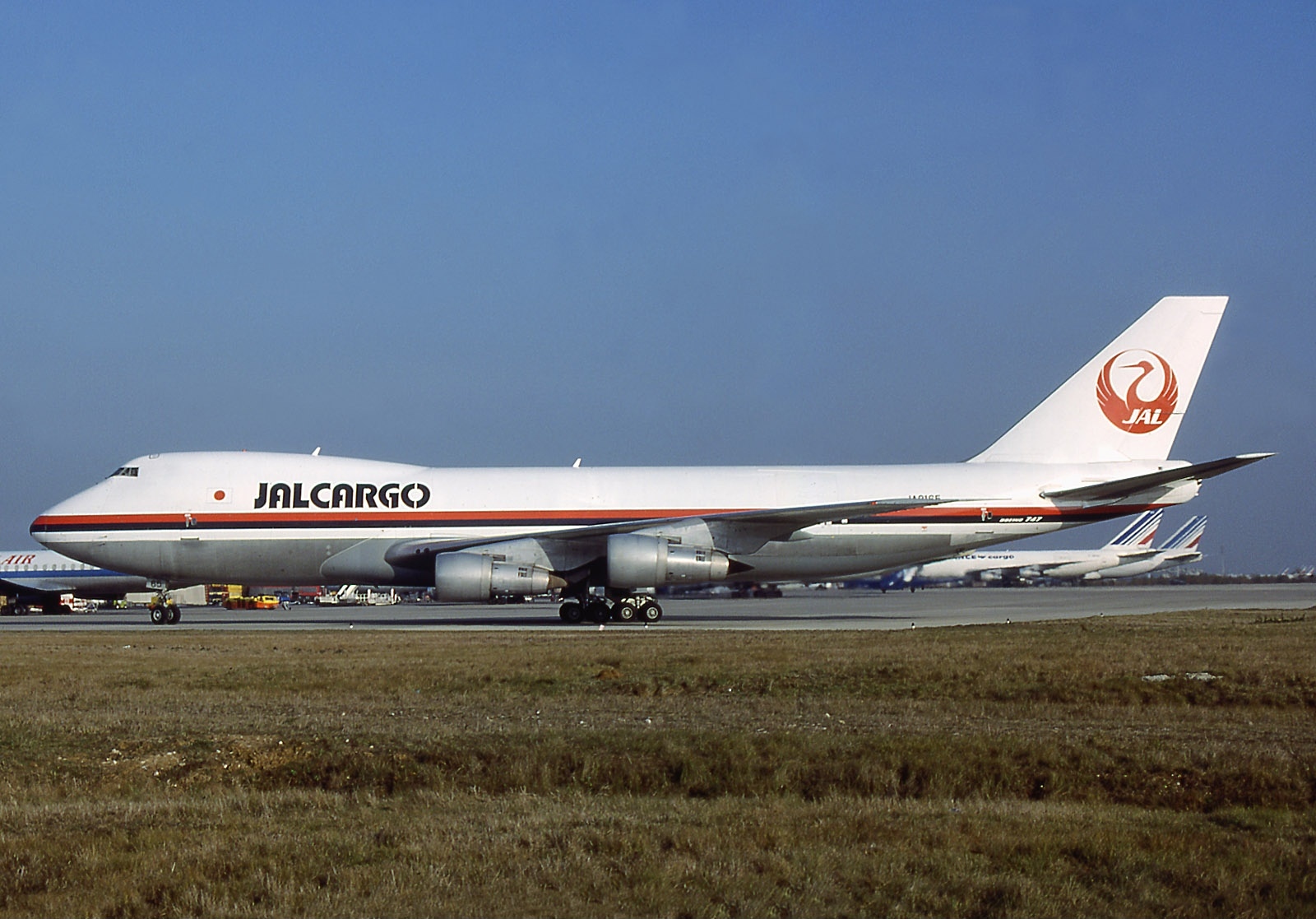


Flight 1628 was operated by Japan Air Lines Cargo using a Boeing 747-200F freighter. The aircraft carried only three crew members:
-
Captain Kenju Terauchi
-
First Officer Takanori Tamefuji
-
Flight Engineer Yoshio Tsukuda
The flight departed Paris Charles de Gaulle Airport, stopped in Iceland, and continued across the Arctic toward Anchorage, Alaska, before its final destination in Tokyo.
Everything appeared normal until the aircraft crossed eastern Alaska near the Arctic Circle.
🌌 The First Sighting
At approximately 5:11 p.m. local time, the crew noticed unusual lights to the left of their aircraft. Initially, they believed the lights belonged to nearby military aircraft.
However, the objects suddenly moved closer and began flying alongside the jumbo jet.
According to the pilots:
-
Two glowing objects appeared to rise from below the aircraft.
-
Bright white and yellow lights illuminated the cockpit.
-
The captain reported feeling heat from the lights on his face.
-
The objects maneuvered in ways unlike conventional aircraft.
The crew radioed Anchorage Air Traffic Control to report the unidentified traffic.
🚨 A “Mothership” Appears
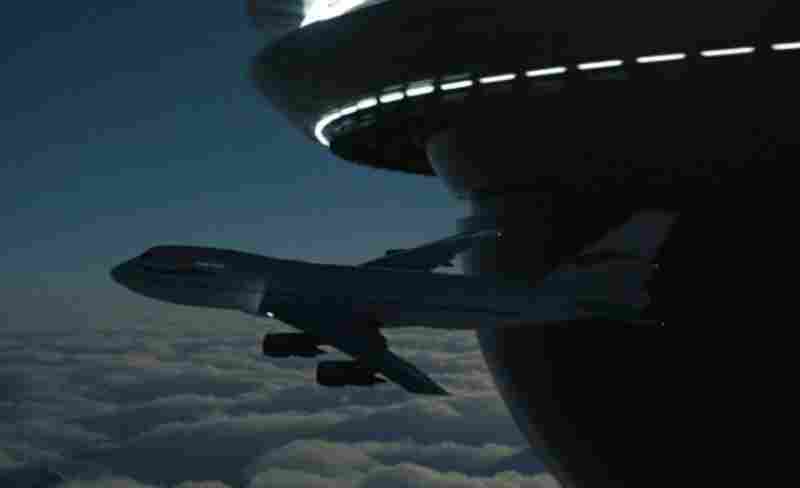
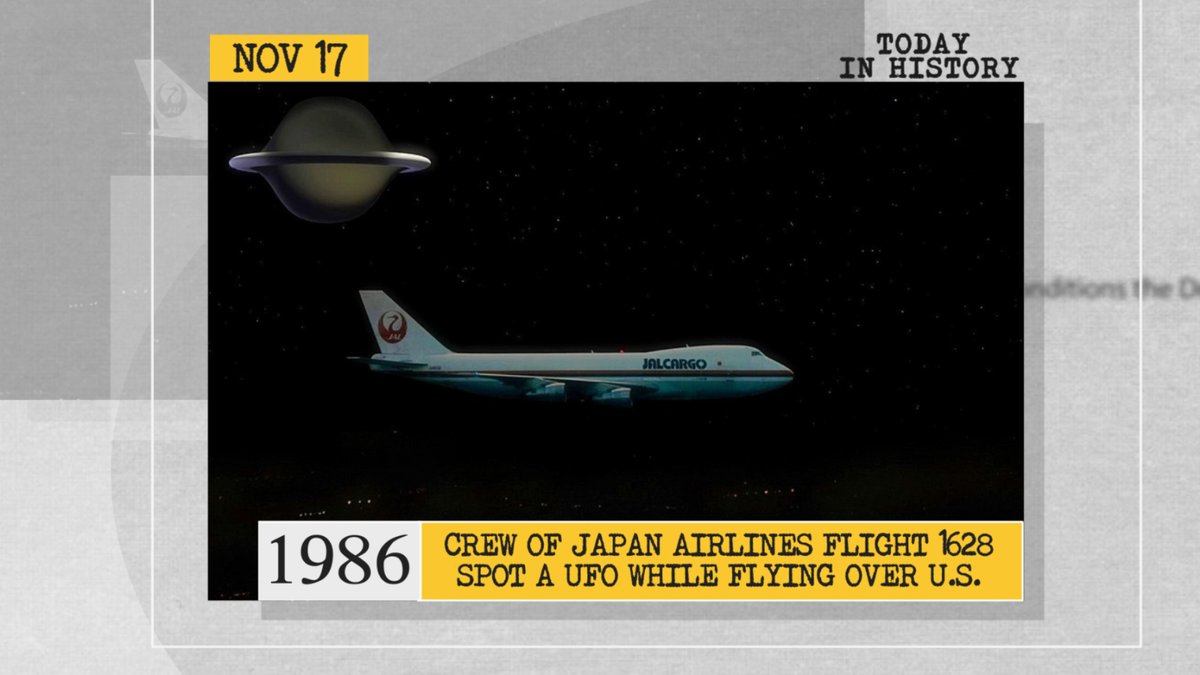
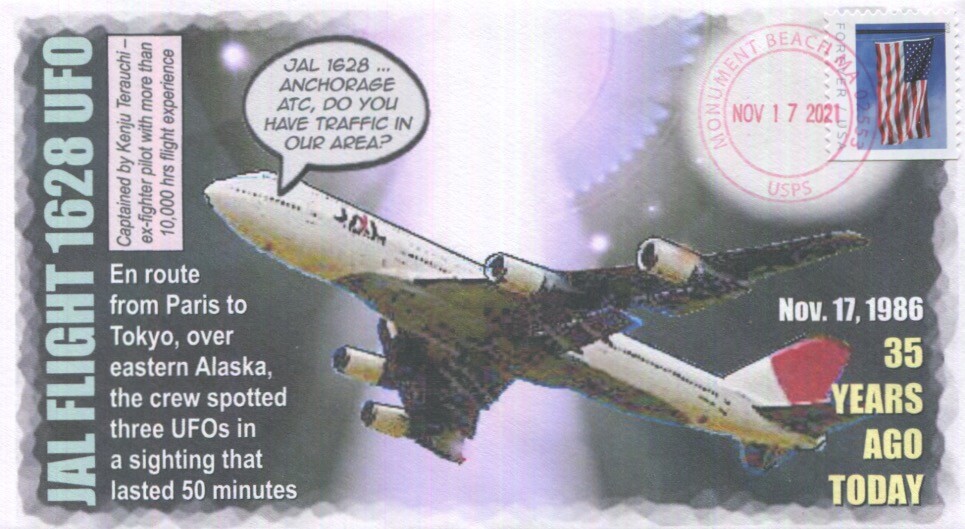
After several minutes, the two smaller objects reportedly disappeared — but the encounter was far from over.
Captain Terauchi later stated that a much larger object, described as enormous and disk-shaped, appeared behind the aircraft and followed it for an extended period. The sighting reportedly lasted close to 50 minutes, an unusually long duration for a UFO encounter.
The crew attempted course changes and altitude adjustments, yet the object allegedly maintained its position nearby.
📡 Radar and Air Traffic Control Reports
The mystery deepened when air traffic controllers became involved.
-
Anchorage controllers communicated continuously with Flight 1628.
-
A controller reported seeing an unidentified target near the aircraft on radar at times.
-
The U.S. Air Force briefly detected an object but suggested it could have been radar interference or atmospheric effects.
However, official FAA radar recordings later failed to conclusively confirm a second physical object, creating one of the central controversies of the case.
🔎 Government Investigation and Skepticism
The Federal Aviation Administration (FAA) launched an investigation soon after the aircraft landed safely in Anchorage.
Key findings included:
-
The crew was considered sober, experienced, and psychologically sound.
-
Weather conditions were clear.
-
No confirmed aircraft were operating in the area at the time.
Skeptical investigators later proposed alternative explanations:
-
Bright planets such as Jupiter and Mars may have been mistaken for moving objects.
-
Ice crystals or atmospheric reflections could have created visual illusions.
-
Radar anomalies may have resulted from electronic clutter.
The FAA ultimately concluded there was insufficient evidence to confirm an unknown craft.
🌍 Why the Incident Still Matters
The Japan Airlines Flight 1628 encounter remains significant for several reasons:
✅ Multiple trained aviation witnesses
✅ Real-time communication with air traffic control
✅ Partial radar observations
✅ Extensive government documentation
Even decades later, the case is frequently cited in discussions about Unidentified Aerial Phenomena (UAP) — the modern term used by governments for unexplained aerial sightings.
To believers, it represents one of the strongest UFO encounters ever recorded by professional pilots. To skeptics, it demonstrates how human perception, astronomy, and technology can combine to create convincing but explainable mysteries.
✨ Legacy of Flight 1628
Nearly forty years after the event, no definitive explanation has satisfied everyone. The skies over Alaska that night remain a subject of debate among aviation experts, scientists, and UFO researchers alike.
Whether interpreted as a misunderstood natural phenomenon or something truly unknown, the Japan Airlines Flight 1628 incident continues to stand as one of aviation’s most intriguing unsolved aerial encounters — a moment when a routine cargo flight briefly entered the realm of the unexplained.
