
JAMES WEBB SPACE TELESCOPE DETECTS “3I/ATLAS” WITH POSSIBLE BIO-SIGNATURES — MYSTERIOUS OBJECT NOW DRIFTING CLOSER
Sound the cosmic alarm bells. Hide your houseplants. Cancel your weekend plans — because the internet is once again convinced that something out there is coming for us.
This time, the spotlight falls on a mysterious interstellar object known as 3I/ATLAS. According to viral whispers and dramatic headlines, the James Webb Space Telescope has “detected life” on it… and it’s drifting closer to Earth.
Yes — life. And yes — closer.
It sounds like the opening scene of a sci-fi thriller where a scientist stares at a screen and mutters, “We’re too late.” But before we start preparing welcome speeches for alien visitors, it’s worth slowing down and asking: what’s actually going on here?
3I/ATLAS, as currently discussed online, appears to be another interstellar traveler — a chunk of ice and rock passing through our solar system from the vast unknown beyond. This isn’t unprecedented. We’ve seen visitors like this before. Space, it turns out, occasionally sends us uninvited guests.
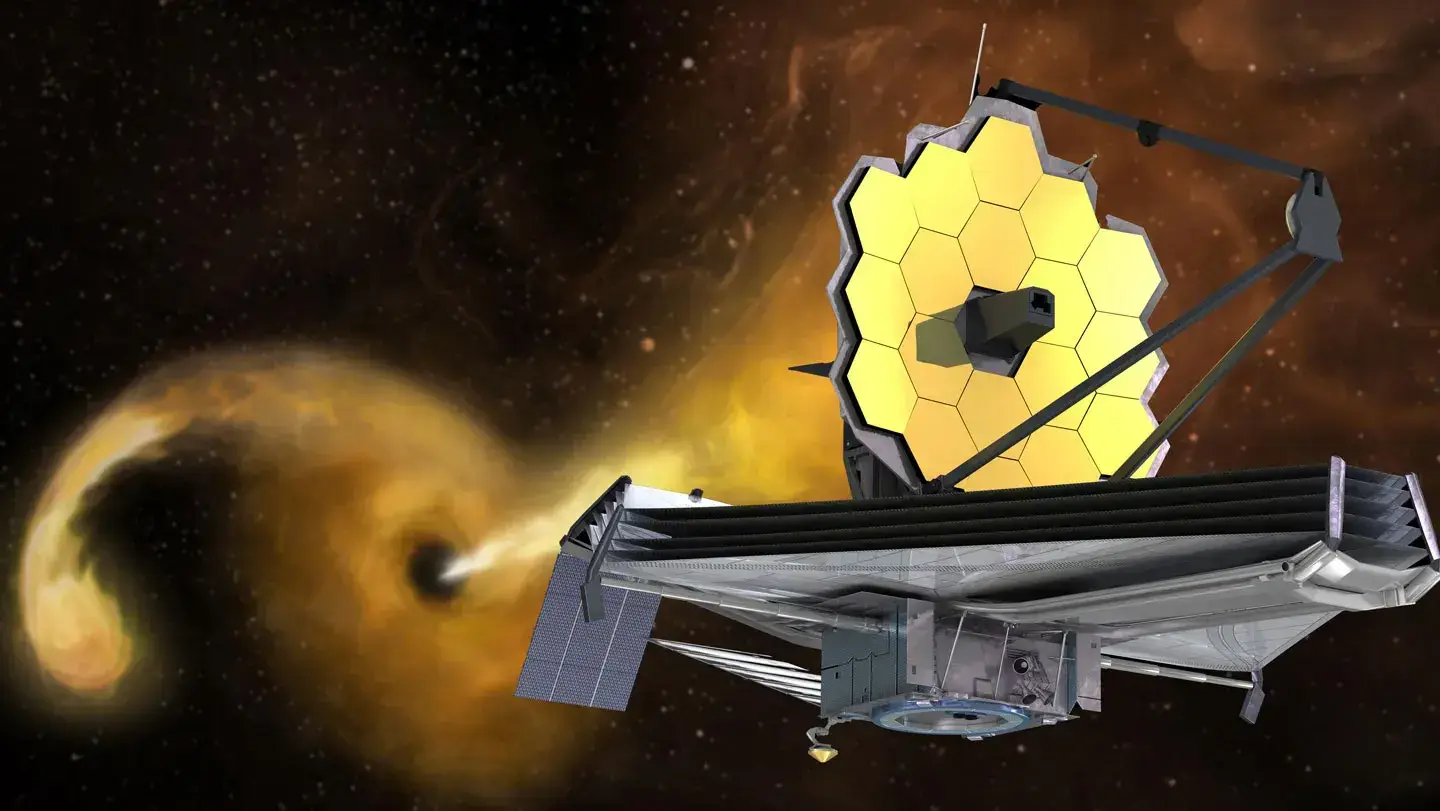
Enter the James Webb Space Telescope — humanity’s most powerful eye in the infrared universe. When it observes objects like this, it doesn’t “see life.” It detects chemical signatures — faint fingerprints of molecules drifting through space.
And here’s where things start to spiral.
If Webb picks up complex organic molecules — carbon-based compounds that are essential for life — that’s scientifically exciting. It suggests that the ingredients for life are scattered across the cosmos. But somewhere between data and headlines, that subtle truth gets transformed into something far more dramatic.
Because “organic molecules detected” doesn’t spread like wildfire.
“ALIEN LIFE FOUND” does.
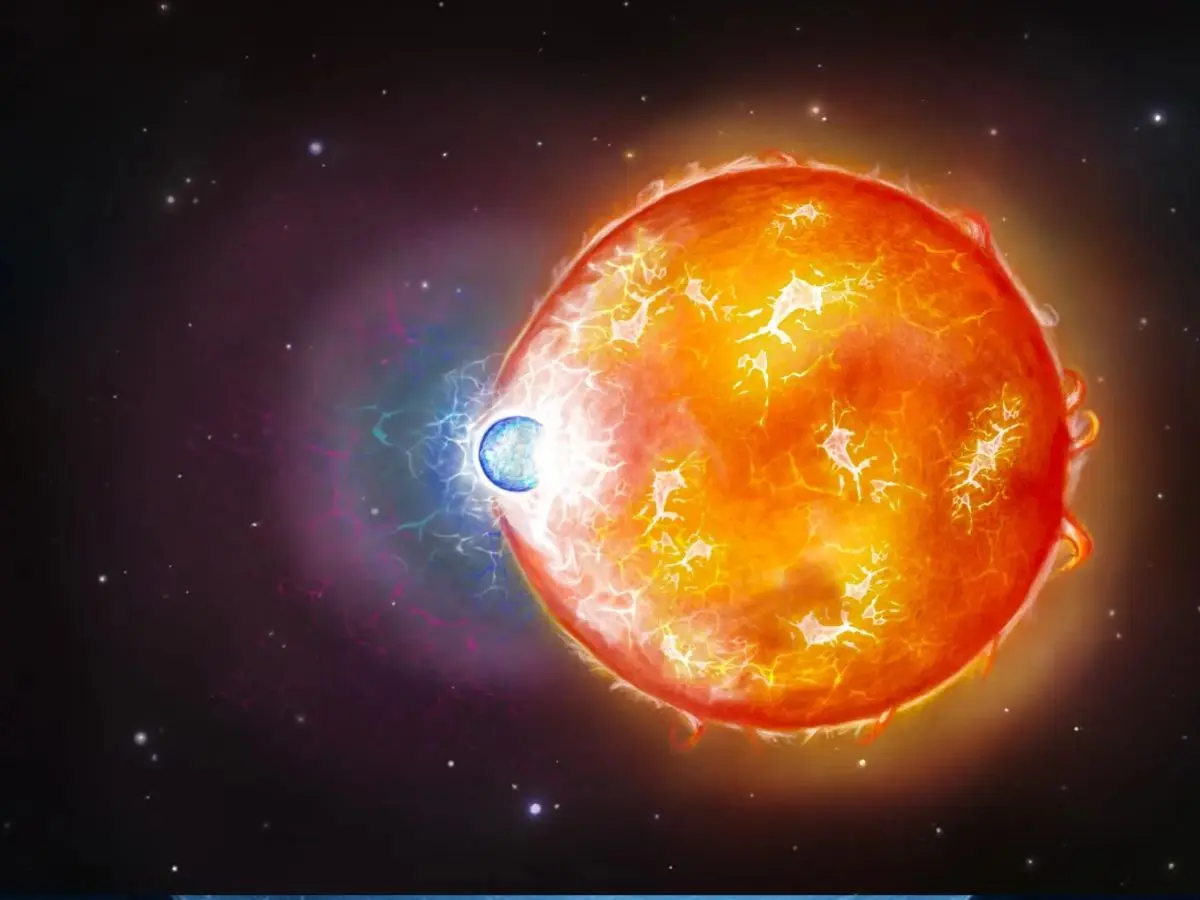
But organic molecules are not living organisms. They’re not microbes hitching a ride through space. They’re chemistry — the same kind of chemistry found in comets, meteorites, and interstellar clouds. Space is full of it.
So what are scientists actually seeing? Most likely, if anything notable has been observed, it’s a mix of complex compounds — the raw materials that, under the right conditions, could contribute to life. Not proof of life itself.
And what about the ominous “it’s getting closer” part?
That’s technically true — but also completely ordinary. Objects entering our solar system naturally move closer before slingshotting around the Sun and heading back into deep space. It’s gravity at work, not an invasion.
If there were any real danger, global space agencies would already be raising alarms. They aren’t.
Still, the drama is hard to resist.
A distant object. Strange chemical signatures. A powerful telescope peering into the unknown. It’s the perfect recipe for imagination to take over — and for headlines to do what they do best: turn curiosity into urgency.
So no, there’s no confirmed alien life drifting toward Earth.
But there is something just as fascinating — a reminder that the universe is rich with the building blocks of life, quietly floating through space, waiting to be understood.
And sometimes, that’s more awe-inspiring than any headline.
