
The Untold Nightmare of German Prisoners After Stalingrad
The Untold Nightmare of German Prisoners After Stalingrad
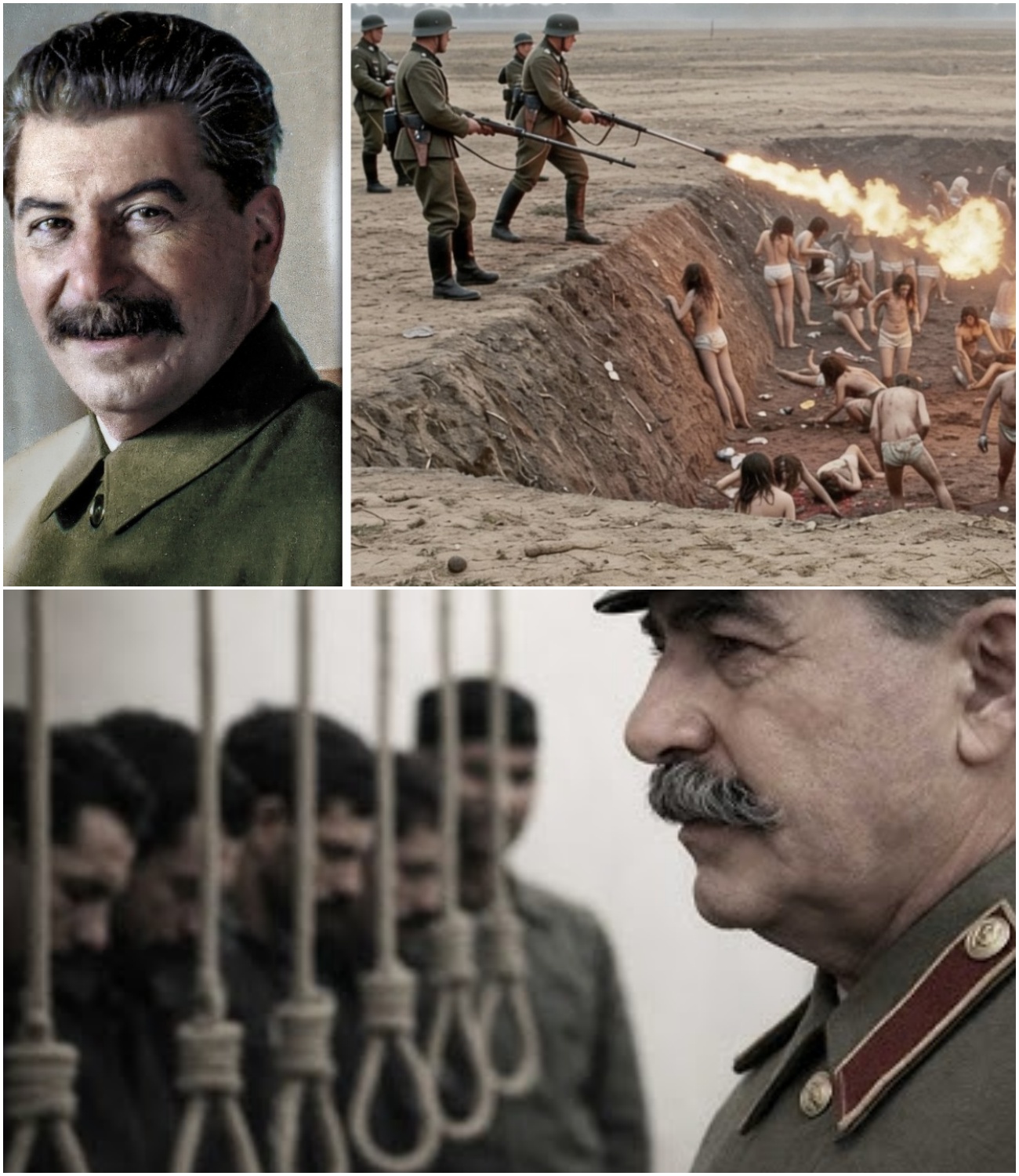
When tens of thousands of German soldiers surrendered after the catastrophic Battle of Stalingrad, they believed their suffering had reached its end. Instead, it marked the beginning of an even darker chapter. What followed inside the Soviet prison system under Joseph Stalin shocked even hardened observers of war.
In the freezing winter of 1943, approximately 91,000 exhausted survivors of the German Sixth Army, once commanded by Friedrich Paulus, laid down their weapons. Starved, wounded, and broken after months of relentless combat against Soviet forces led by Vasily Chuikov, they entered captivity believing they had escaped death. In reality, they were stepping into a system that would test human endurance to its limits.
The Soviet Union, devastated by invasion and driven by vengeance, treated these prisoners not merely as defeated enemies but as instruments of labor and propaganda. Many were marched hundreds of kilometers in brutal winter conditions with little food or shelter. Thousands perished before even reaching prison camps scattered across the vast Soviet interior.
Inside the camps, conditions were harsh beyond imagination. Prisoners faced severe malnutrition, disease, and relentless forced labor. They were assigned to rebuild destroyed cities, work in mines, or undertake heavy industrial tasks under extreme climates. The combination of starvation and exhaustion led to staggering death rates in the early years of captivity.
Out of the 91,000 captured at Stalingrad, only a small fraction would ever return home. For many, survival depended on physical endurance, psychological resilience, and sheer luck. Over time, Soviet authorities also used prisoners in political re-education efforts, attempting to reshape ideology and extract value beyond labor.
This chapter of World War II remains one of its most complex and controversial legacies. It reveals how total war blurred moral boundaries, where vengeance, survival, and political calculation intertwined. The fate of these prisoners stands as a stark reminder that, for many, surrender did not mean safety—it simply opened the door to another form of suffering.
