
THE MAHARAJA OF HOPE: HOW AN INDIAN PRINCE SAVED 740 POLISH ORPHANS 🇮🇳🇵🇱🛡️
THE MAHARAJA OF HOPE: HOW AN INDIAN PRINCE SAVED 740 POLISH ORPHANS 🇮🇳🇵🇱🛡️
1. The Ghost Ship of the Arabian Sea
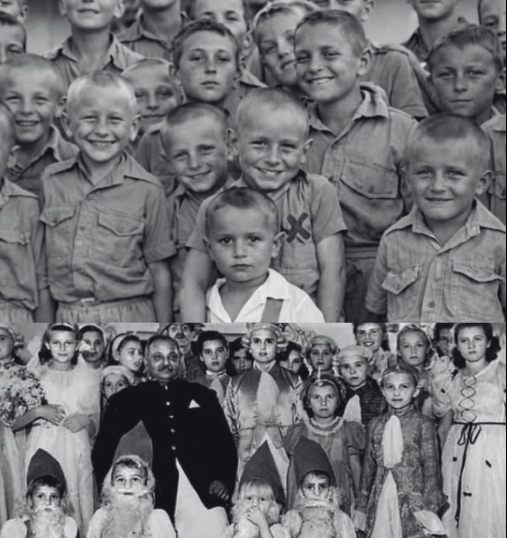
In 1942, the world was a map of fire and blood. Amidst the chaos, a ship drifted across the Arabian Sea, carrying a cargo of 740 Polish children. These were not ordinary travelers; they were survivors of Soviet labor camps in Siberia who had trekked through the “corridor of hope” in Iran. They were hollow-cheeked, haunted by the memory of parents lost to typhus and starvation. As they reached the shores of India, they met a wall of bureaucracy. The British authorities, citing war-time pressures and political complications, refused them entry. To the world, they were a “problem” to be managed; to themselves, they were children waiting for a place to finally stop running.

2. The Prince Who Listened to His Conscience
News of the stranded ship reached Jam Sahib Digvijay Singhji, the Maharaja of Nawanagar (now in Gujarat). At the time, India was still under British rule, and following the Empire’s orders was the expected path. But the Maharaja was a man whose soul was not for lease. When his advisors cautioned him about the political fallout of defying the British, he didn’t ask about the risks. He asked, “How many children?” Upon hearing the number—740—he famously replied that if the British wouldn’t provide a port, he would provide a home.
3. “I Am Your Father”
The moment the ship docked in Nawanagar, the children expected the cold steel of a refugee camp. Instead, they were met by a man in simple white clothes who did something no official had done: he knelt. Meeting them at eye level, he delivered a vow that has since become legendary in Polish history:
“Do not consider yourselves orphans. I am now your father, and you are my children.”
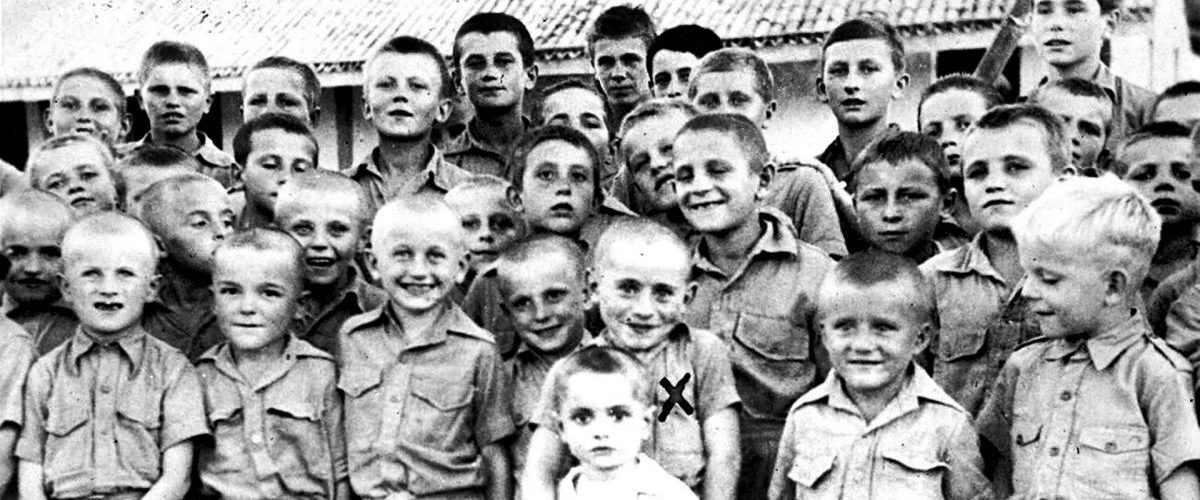
He didn’t just provide a roof; he provided a sanctuary. In the village of Balachadi, he built a camp designed not to strip them of their identity, but to preserve it. He ensured they had Polish teachers, Catholic priests, and familiar food, allowing their culture to bloom under the warm Indian sun.
4. A Sanctuary of Healing
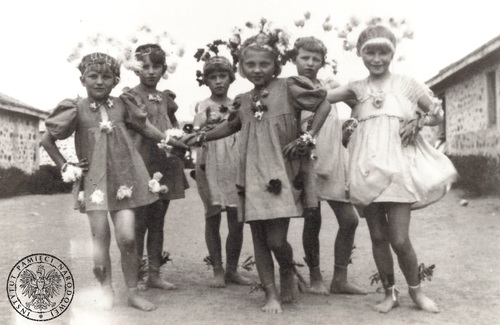
For four years, the Maharaja personally funded every aspect of their lives. He visited the camp frequently, participating in their plays and holiday celebrations. He understood that while their bodies needed bread, their spirits needed belonging. In Balachadi, the trauma of Siberia began to fade. The children played sports, learned music, and for the first time in years, they slept without the fear of being moved. The “Little Poland” in India became a world where the horrors of the war could not reach.
5. A Legacy That Crossed Oceans
When the war ended in 1946 and the children had to return to Europe or relocate to other countries, the parting was filled with tears. They were leaving the man who had stood between them and a world that had turned its back. Those 740 children grew up to be the “Valivade-Balachadi” generation—successful professionals who carried the story of Indian kindness to every corner of the globe. To this day, the Maharaja is a national hero in Poland. A prominent square in Warsaw is named “Skwer Dobrego Maharadży” (Square of the Good Maharaja) in his honor.
6. The Measure of True Power
The story of Jam Sahib Digvijay Singhji reminds us that true power is never about the territory you command, but about the protection you offer. In a time of global darkness, he chose to be a lighthouse. He proved that when the heart is open, there are no “foreign” children—only children who need a father. His legacy is a testament to the fact that kindness is the only thing that truly outlives the politics of war. 🕊️🧡✨
