
The 1967 CIA Message and the Film “UFO Fact or Fancy”
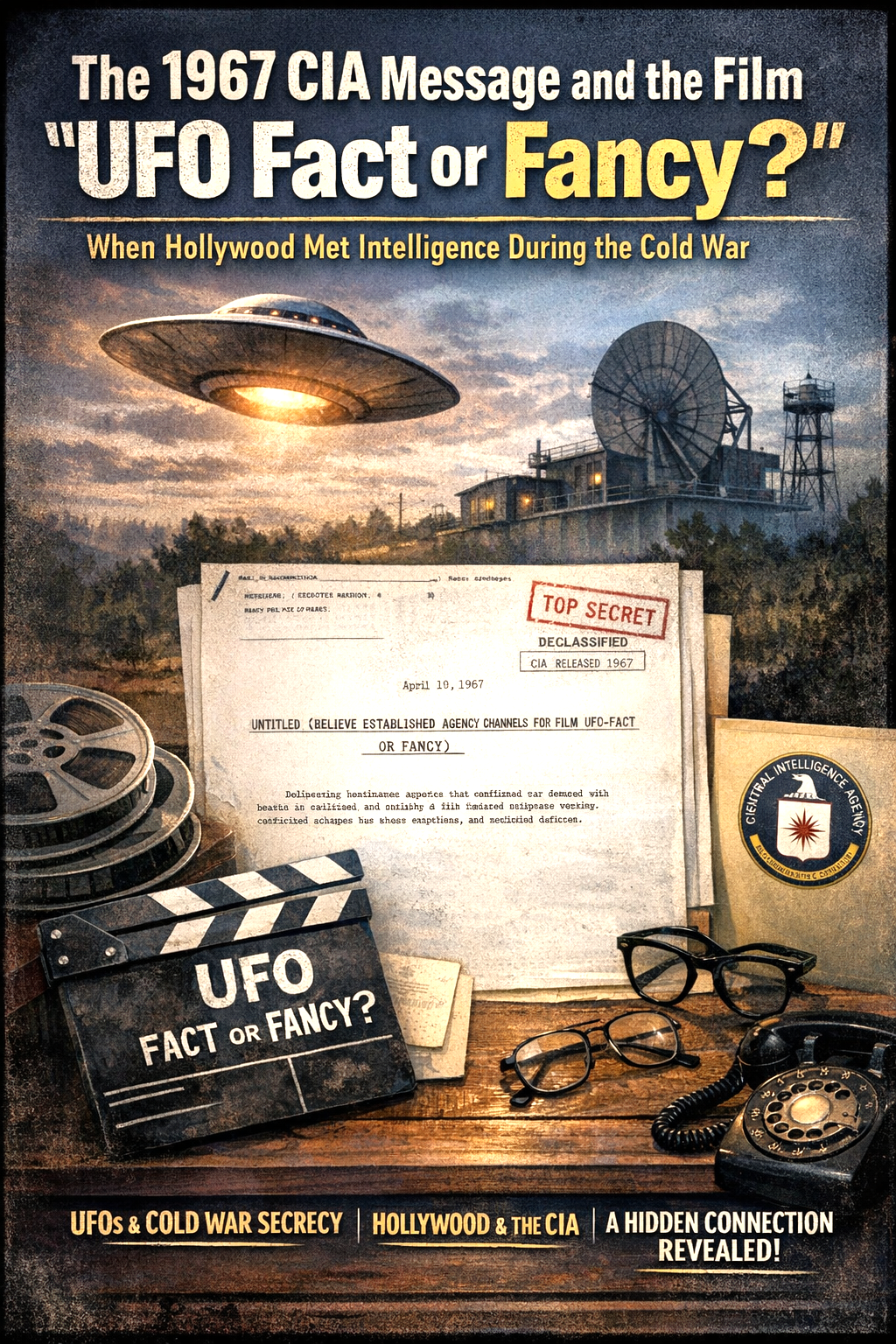
The 1967 CIA Message and the Film “UFO Fact or Fancy”:
When Hollywood Met Intelligence During the Cold War

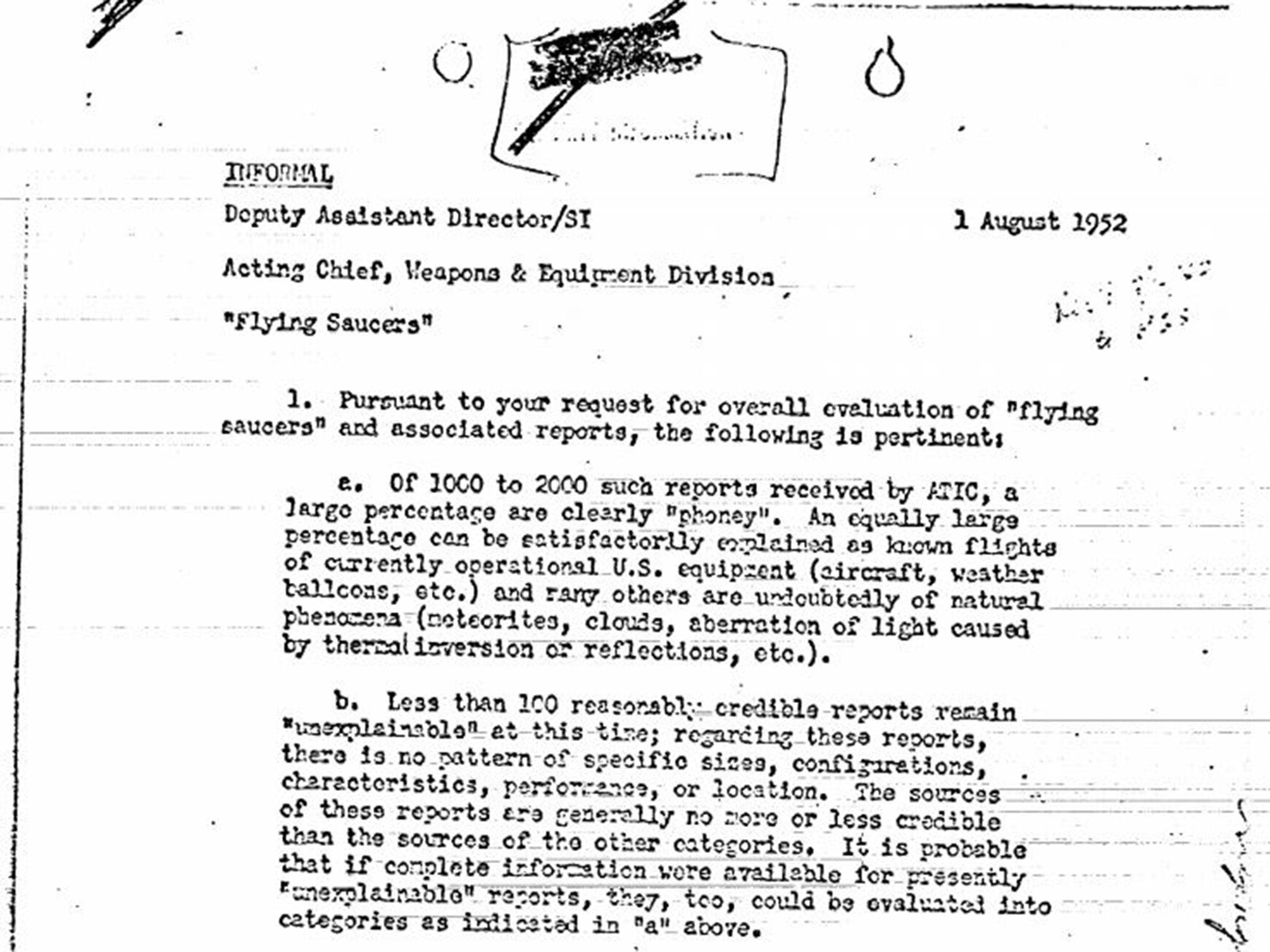
A Forgotten Document from the UFO Era
In the spring of 1967 — at the height of Cold War tensions and growing public fascination with flying saucers — an unusual internal communication circulated within the Central Intelligence Agency (CIA). The brief message concerned a film titled “UFO Fact or Fancy,” suggesting that the agency had been contacted during the movie’s production.
Decades later, the document would resurface among thousands of declassified UFO-related files released through Freedom of Information Act (FOIA) requests, offering a rare glimpse into how intelligence agencies interacted with popular media during the early UFO age.
The CIA’s Declassified Message
The document, dated April 10, 1967, appears in the CIA’s UFO document archive and is formally titled:
“UNTITLED (BELIEVE ESTABLISHED AGENCY CHANNELS FOR FILM UFO-FACT OR FANCY)”.
According to the declassified record, the message discussed handling communications related to the film through established agency channels and emphasized avoiding unnecessary involvement in routine film matters.
While short and partially cryptic — typical of internal intelligence communications — historians believe the note indicates that filmmakers or producers had reached out to the CIA for information, consultation, or cooperation.
The document is cataloged within a broader CIA collection containing decades of correspondence about UFO investigations, public inquiries, and media interactions.
UFOs and Public Anxiety in the 1960s
By 1967, UFOs were no longer fringe curiosities. Throughout the 1950s and 1960s:
-
Thousands of sightings were reported worldwide.
-
Media coverage expanded rapidly.
-
Television documentaries and theatrical films explored extraterrestrial themes.
-
Government secrecy fueled speculation.
The CIA had already been involved in UFO-related analysis since the early Cold War, largely out of concern that unidentified aerial reports might represent foreign technology or trigger public panic affecting national security communications.
As UFO enthusiasm entered mainstream entertainment, filmmakers increasingly sought official validation — or at least commentary — from government agencies.
Why Would the CIA Care About a Film?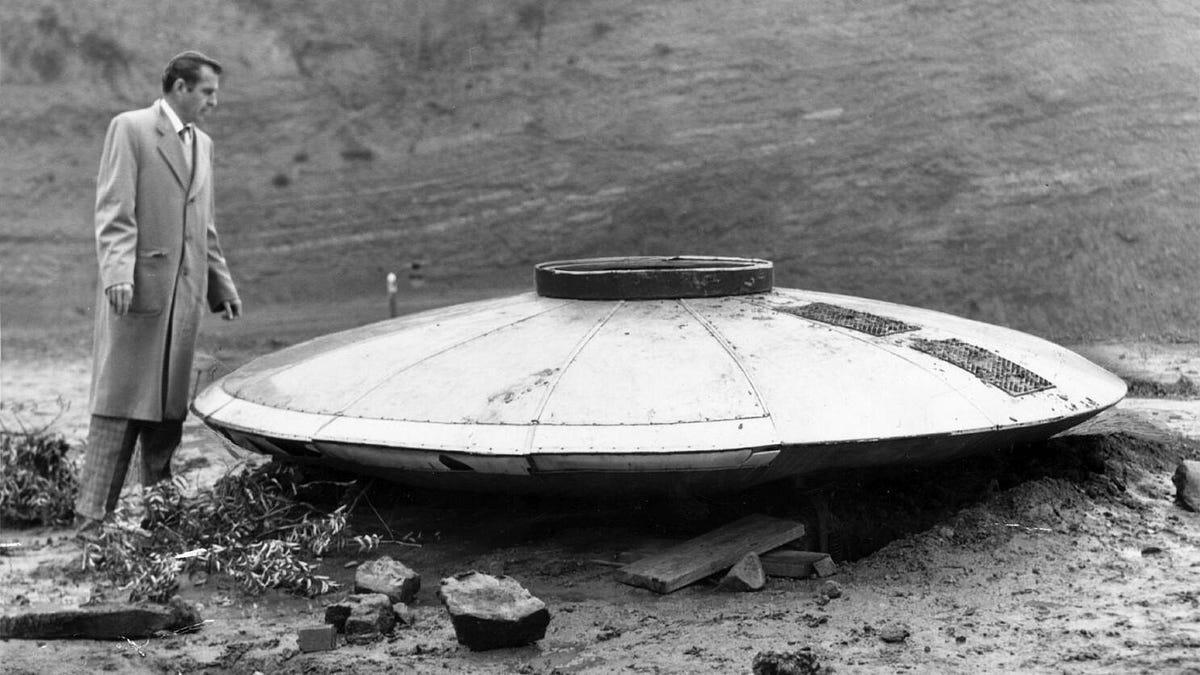
The CIA’s interest likely had little to do with aliens and much more to do with information control and perception.
During the Cold War, intelligence agencies carefully monitored public narratives involving aviation, advanced technology, and national defense. Several factors explain their caution:
1. Protection of Classified Aircraft
Many UFO sightings in the 1950s and 1960s were later linked to secret reconnaissance programs. Public discussion risked exposing sensitive technologies.
2. Avoiding Official Endorsement
The agency often avoided direct participation in entertainment projects to prevent the impression that UFO claims were government-validated.
3. Managing Public Relations
Films about unexplained phenomena could influence public trust or create unnecessary alarm during a politically tense era.
The 1967 message’s tone suggests officials preferred minimal involvement, aiming to keep relations with filmmakers orderly while maintaining institutional distance.
Hollywood and Intelligence: A Quiet Relationship
The “UFO Fact or Fancy” correspondence illustrates a broader pattern: intelligence agencies and media producers occasionally intersected long before modern debates about government transparency.
Documentaries and pseudo-scientific films of the era frequently blurred lines between investigation and entertainment. Producers sometimes contacted military or intelligence offices hoping for:
-
technical accuracy,
-
archival footage,
-
expert interviews,
-
or informal approval.
The CIA’s restrained response reflects a consistent policy — acknowledge inquiries, but avoid becoming part of the narrative.
Rediscovery in the Age of Disclosure
Interest in the document revived after large collections of CIA UFO files were digitized and released to the public in the 2010s. These archives revealed that the agency’s UFO involvement was often administrative rather than conspiratorial, consisting largely of correspondence, evaluations, and public inquiries.
The “UFO Fact or Fancy” message stands out precisely because it connects intelligence activity not to sightings or investigations, but to cinema and cultural influence.
A Small Memo with Big Implications
Although only a single page long, the 1967 message captures a unique historical moment:
-
UFOs were shifting from mystery reports to mass entertainment.
-
Government agencies were navigating a rapidly expanding media landscape.
-
Public curiosity about extraterrestrial life intersected with Cold War secrecy.
Rather than proving hidden alien knowledge, the document reveals something arguably more fascinating — how seriously governments treated the power of storytelling.
Legacy
Today, the “UFO Fact or Fancy” memo serves as a reminder that UFO history is not only about sightings in the sky, but also about communication, perception, and the relationship between governments and popular culture.
In 1967, even a film about flying saucers was enough to trigger an intelligence memo — showing that during the Cold War, information itself was considered strategic territory.
