
The 1957 Wright Field Message: A Cold War Memo That Left Officials “Holding Their Breaths”
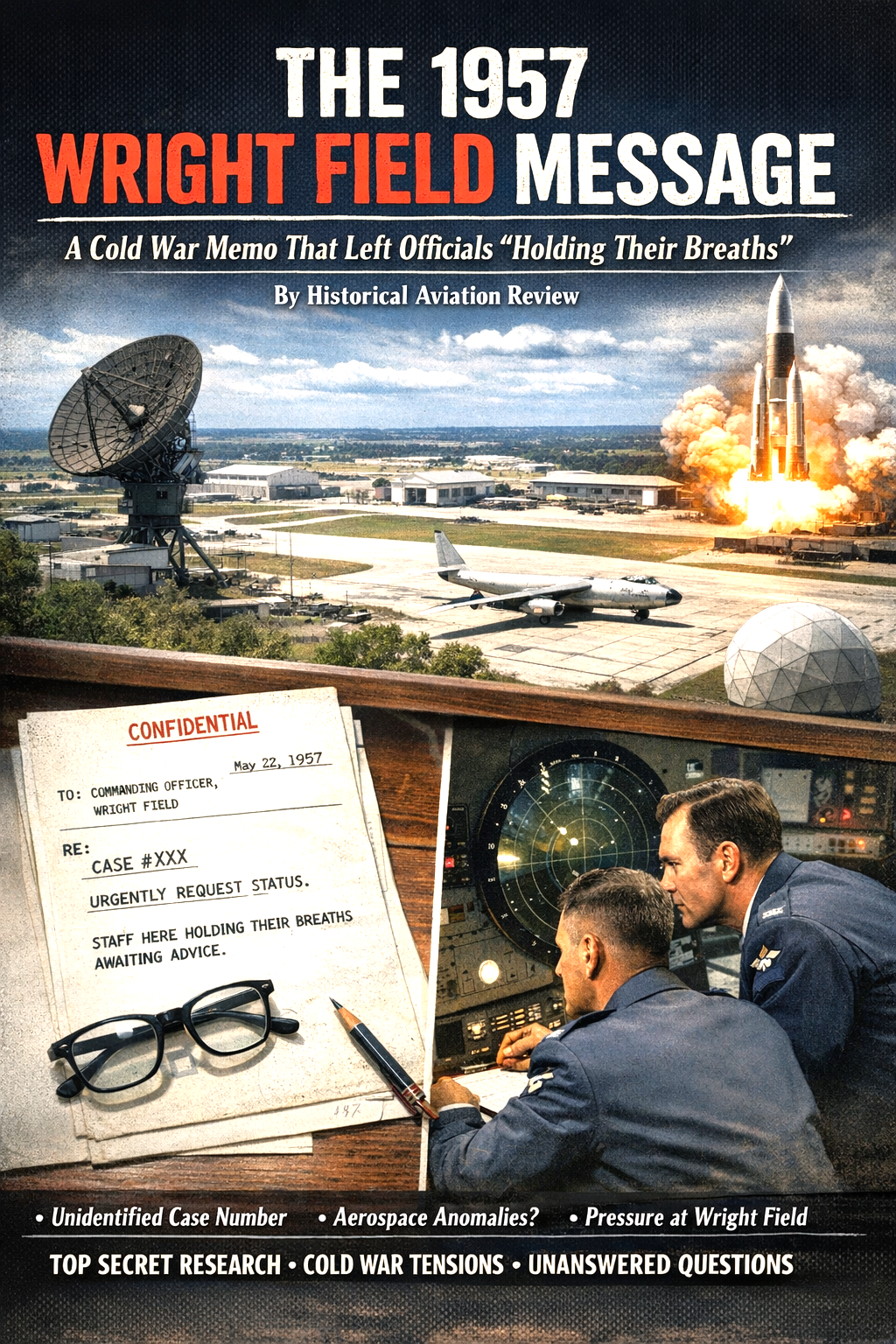
The 1957 Wright Field Message: A Cold War Memo That Left Officials “Holding Their Breaths”
A Single Page From the Cold War
In May 1957, at the height of Cold War anxiety and rapid technological competition between global superpowers, a brief one-page message circulated within U.S. military and intelligence channels. The document referenced an unknown case number and requested an update on progress already underway.
Though short and administrative in tone, one phrase stood out dramatically: personnel at Wright Field — today known as Wright-Patterson Air Force Base — were described as “holding their breaths awaiting advice.”
Decades later, historians and researchers examining declassified records would view this seemingly routine message as a small but intriguing window into the secretive atmosphere surrounding mid-century aerospace investigations.
Wright Field: Center of Advanced Military Research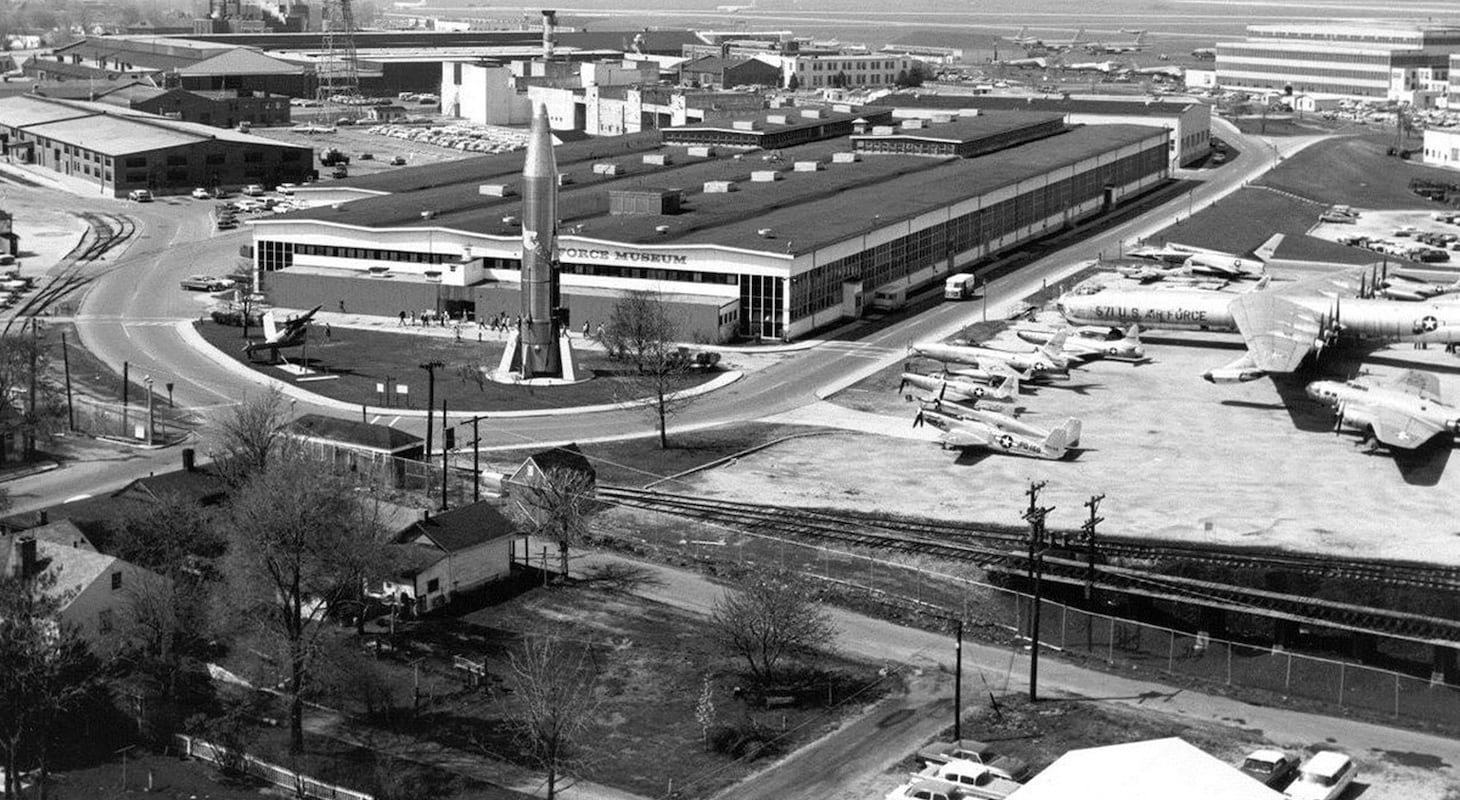
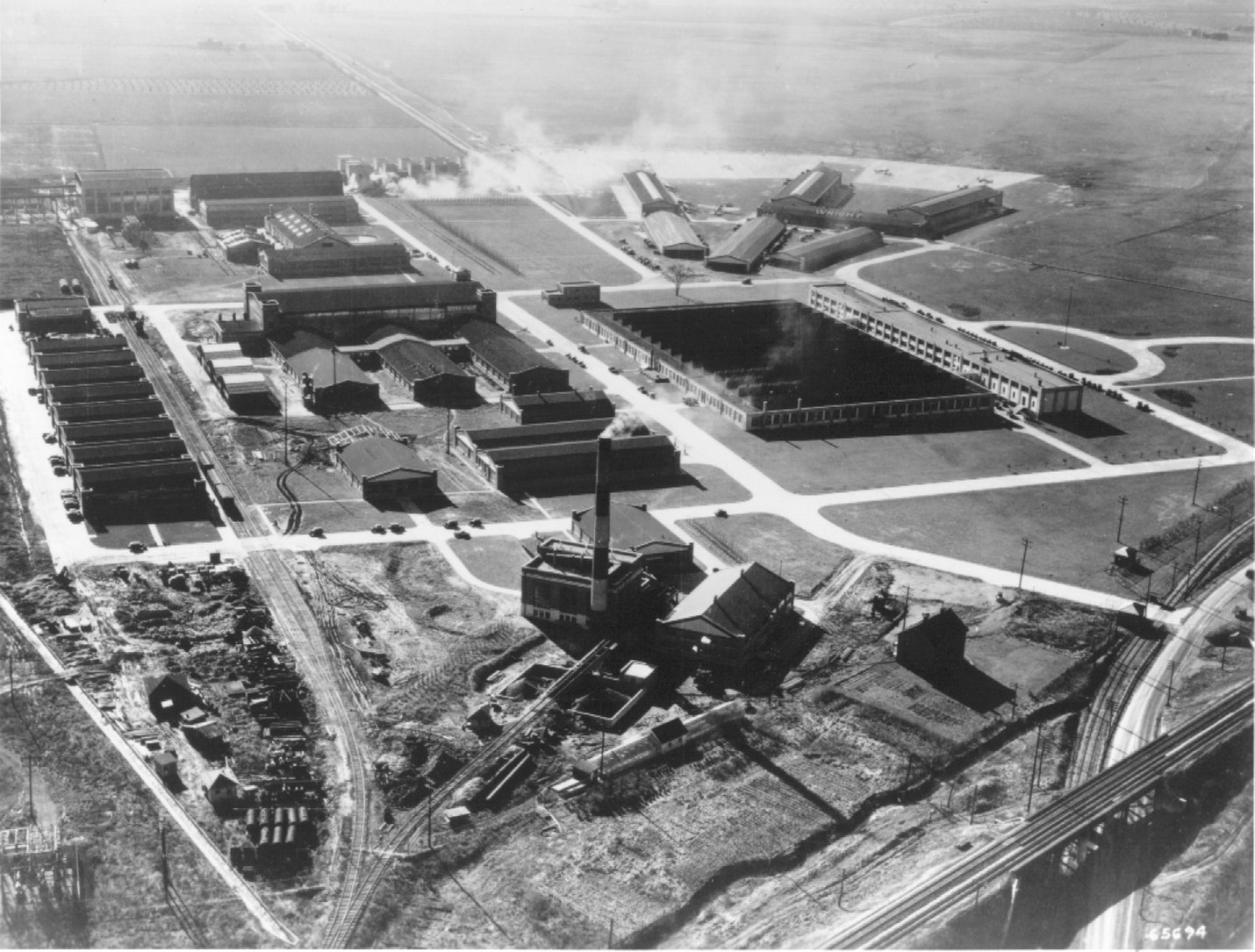
During the 1950s, Wright Field was one of the most important research and development centers in the United States Air Force. Located near Dayton, Ohio, the installation had evolved from early aviation experiments tied to the Wright brothers into a major hub for:
-
aircraft engineering and testing
-
weapons development
-
intelligence analysis
-
emerging aerospace technologies
By 1957, the base played a central role in evaluating advanced aviation concepts during a period when jet propulsion, guided missiles, and high-altitude reconnaissance were rapidly transforming warfare.
The urgency expressed in the memo suggests that whatever case the message referenced was considered operationally significant — or at least sensitive enough to require close monitoring.
The Meaning Behind “Holding Their Breaths”
The phrase used in the message is unusually emotional for an official communication. Military memoranda typically favored neutral and technical language, making the wording notable.
Historians interpret the expression in several possible ways:
1. Technical Uncertainty
Engineers or analysts may have been awaiting authorization or clarification before proceeding with testing or evaluation.
2. Intelligence Sensitivity
The case could have involved classified material requiring approval from higher command or another agency.
3. Aerospace Anomalies
During the 1950s, Wright Field was frequently associated with investigations into unidentified aerial sightings reported by pilots and radar operators. While the memo itself does not mention UFOs explicitly, the era’s context has fueled later speculation.
Without the full case file — which remains unidentified or possibly still classified — the true subject remains unknown.
The Cold War Context
The timing of the message is crucial. In 1957, the United States faced mounting pressure in technological competition with the Soviet Union. Within months, the launch of Sputnik would shock American defense planners and accelerate aerospace research dramatically.
Military installations like Wright Field operated under intense expectations to deliver breakthroughs quickly. Decisions could influence national defense strategy, making delays or uncertainties especially tense moments for personnel involved.
The memo’s request for progress updates reflects a system under pressure — one in which even a single unresolved case could command urgent attention.
A Mystery Preserved in Paper
Unlike lengthy intelligence reports, the May 1957 message provides only fragments:
-
an unidentified case number
-
a request for progress
-
a reference to Wright Field staff awaiting direction
Yet these fragments capture something larger: the atmosphere of secrecy and anticipation that defined Cold War research culture.
Today, the document stands as a reminder that history is often preserved not only in dramatic events but also in brief administrative notes — moments when officials paused, waiting for answers that may never have fully emerged into public view.
Why the Document Still Matters
Researchers continue to study such records because they reveal how government institutions functioned during periods of uncertainty. Even without revealing its subject, the message highlights:
-
the strategic importance of Wright Field
-
the urgency surrounding aerospace investigations in the 1950s
-
the human tension behind classified decision-making
In the end, the most striking detail may not be what the memo says — but what it leaves unsaid.
Somewhere in May 1957, inside offices at Wright Field, officials waited for guidance, watching the clock, quite literally holding their breath.
