
Report Describes “Antarctic Flying Saucers” Over Deception Island
Report Describes “Antarctic Flying Saucers” Over Deception Island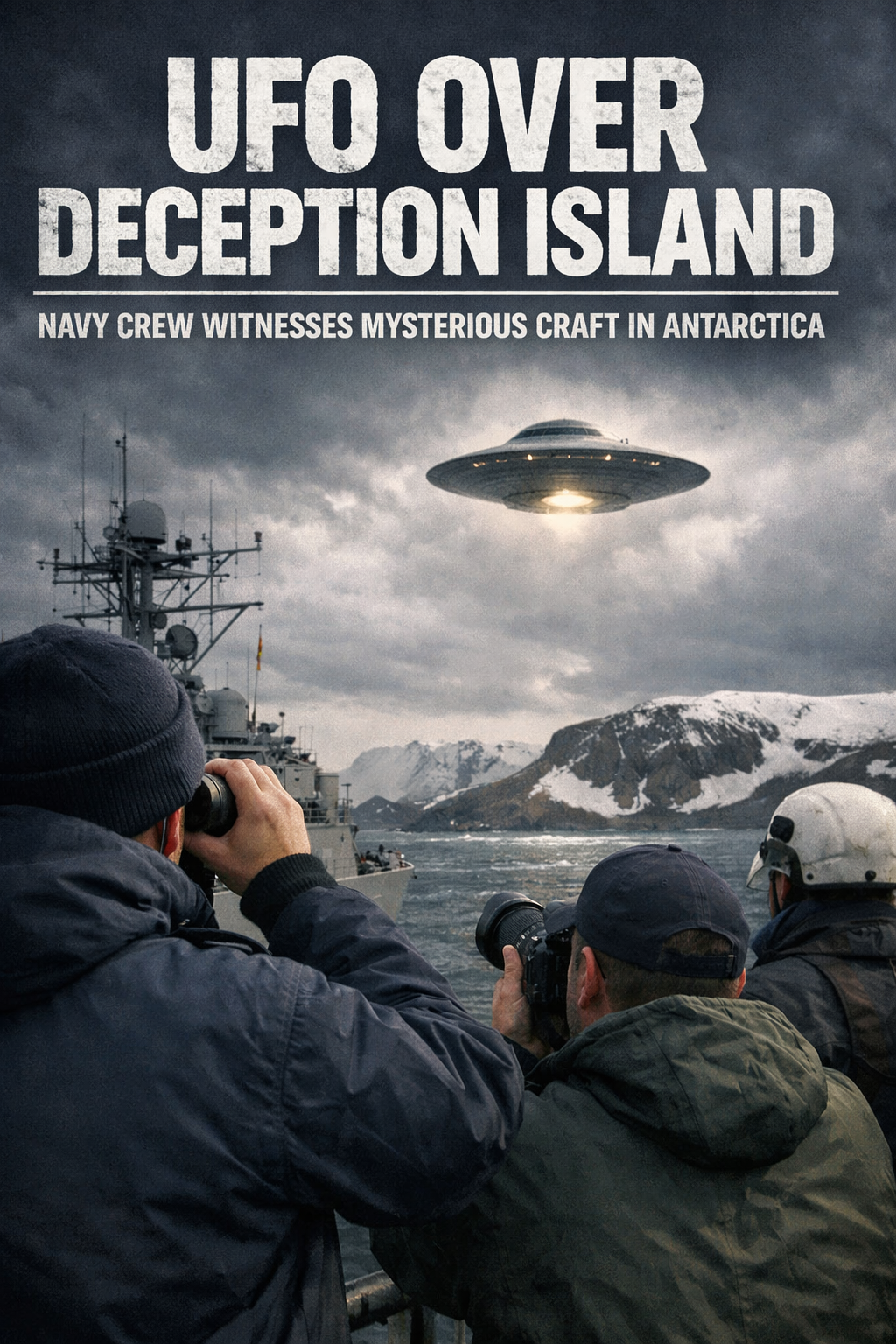
Antarctica — July 1965
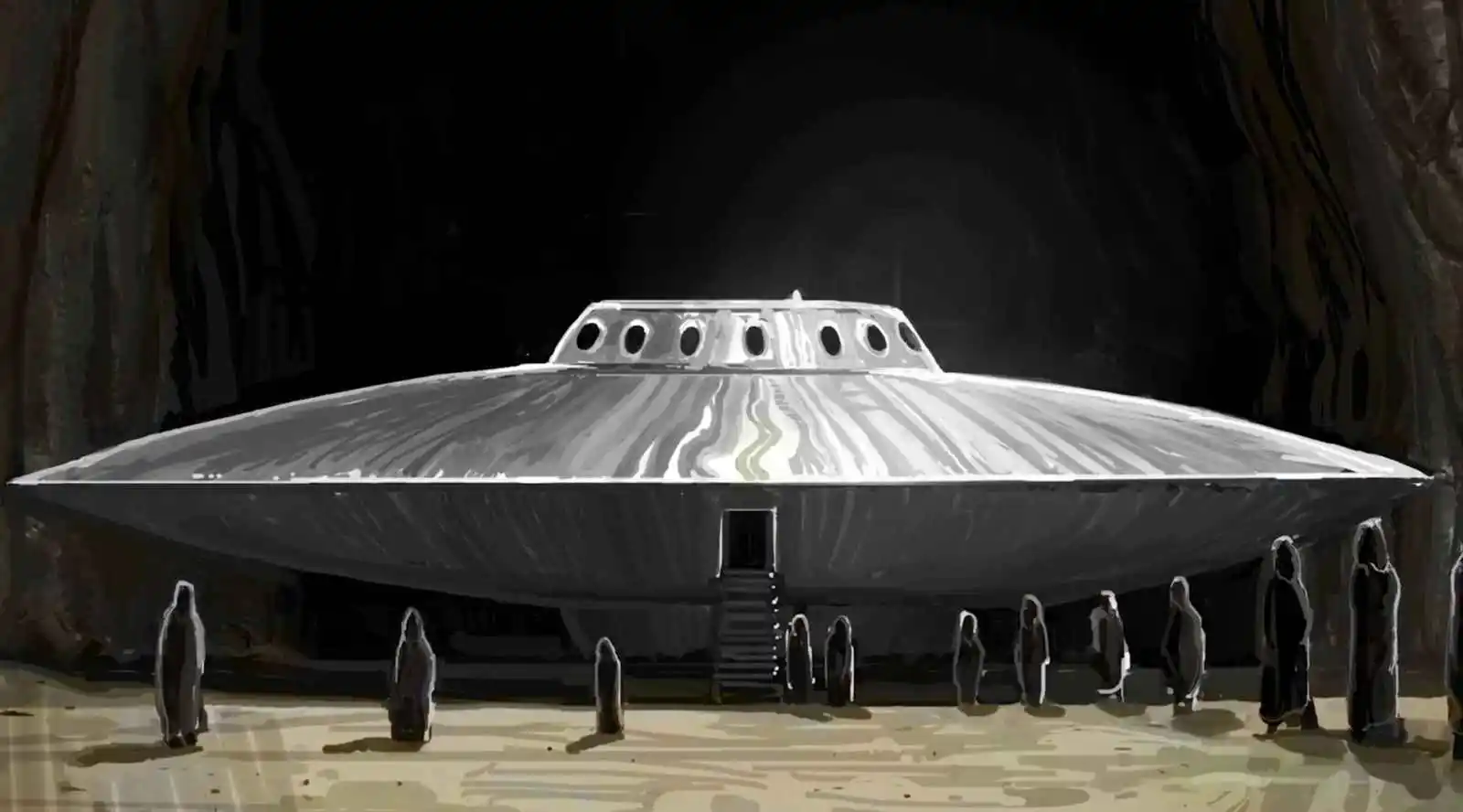
In July 1965, a curious report circulated among researchers and intelligence observers describing unidentified flying objects over Deception Island, a remote volcanic island in Antarctica. The document outlined sightings of what witnesses described as “flying saucers” moving across the icy skies above the isolated research outpost.
The report quickly became one of the more unusual UFO accounts connected to the Antarctic region, an area rarely associated with unexplained aerial phenomena due to its extreme climate and sparse population.
Unusual Objects Seen Over the Antarctic Base
According to the report, personnel stationed near Deception Island observed strange luminous objects flying above the island’s volcanic caldera. Witnesses described the objects as disc-shaped or oval lights that appeared suddenly and moved rapidly across the sky.
The sightings reportedly occurred during periods of clear visibility when observers were able to watch the objects maneuver for several moments before disappearing beyond the horizon. Some witnesses claimed the objects changed direction abruptly, behavior that was difficult to explain using conventional aircraft.
A Strategic and Scientific Location
Deception Island is located within the South Shetland Islands, just off the Antarctic Peninsula. The island is unique because it is actually the flooded caldera of an active volcano, creating a natural harbor known as Port Foster.
During the mid-20th century, several countries operated research stations in the region as part of international Antarctic exploration following the International Geophysical Year. Scientists working in these bases often recorded atmospheric and astronomical phenomena, which occasionally included unusual lights in the sky.
Possible Explanations
Researchers reviewing the 1965 report proposed several possible explanations for the sightings:
-
Atmospheric optical effects, common in polar regions due to ice crystals in the air
-
Aurora-related light reflections, which can sometimes appear as moving shapes
-
Experimental aircraft or high-altitude balloons
-
Misidentified astronomical objects
Because of the limited instrumentation and the extreme isolation of the Antarctic research stations, verifying such sightings was often difficult.
A Remote Mystery
Although the July 1965 Deception Island report remains obscure compared with more famous UFO incidents, it highlights how reports of unexplained aerial objects were documented even in the most remote places on Earth.
With few observers and limited technology available at the time, the strange lights reported over Antarctica remain unexplained. Today, the account is often cited by historians of UFO research as an example of how mysterious sightings were recorded across the globe—even in the frozen skies of Antarctica. 👽❄️
