What It Saw While Peering Too Deep into Space Will Shock Humanity
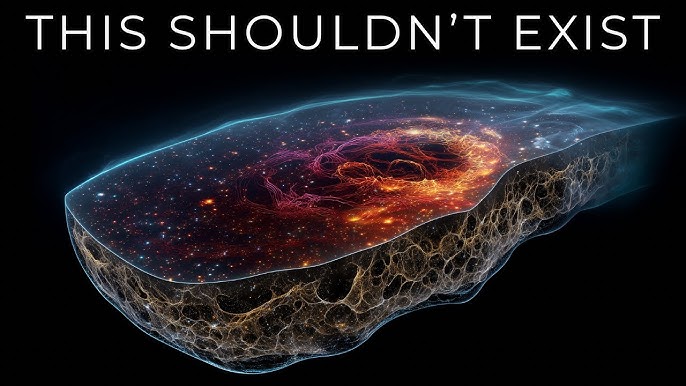
It began, as all modern existential crises do, not with a philosopher staring quietly at the night sky, but with a press release, a handful of color-enhanced images, and the sudden realization that humanity may have asked the universe a question it was not emotionally prepared to answer. When scientists announced that the James Webb Space Telescope had looked deeper into space than ever before and returned data that didn’t merely challenge expectations but casually folded them in half, the reaction was immediate, chaotic, and profoundly online. Astronomers squinted, comment sections combusted, and somewhere between cautious NASA phrasing and TikTok panic, the word “shocking” stopped being metaphorical and started sounding like a warning label.
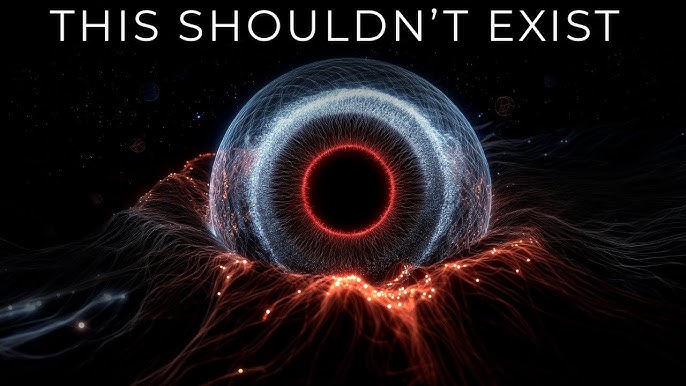
The official explanation arrived in its calmest possible tone: Webb was seeing massive, highly organized galaxies in the early universe—objects that looked far too mature for a cosmos that was supposed to be young, messy, and still figuring itself out. In simple terms, the cosmic timeline everyone had agreed upon suddenly looked less like a law and more like a suggestion. Galaxies that should have been awkward teenage clumps of gas appeared fully formed and disturbingly confident, as if the universe skipped puberty and went straight to a mortgage. Within hours, the internet decided this meant everything—cosmology needed a rewrite, ancient secrets were being revealed, aliens were judging us silently—while NASA tried, adorably, to remind everyone that science evolves and data takes time. That effort was overwhelmed the moment screenshots escaped containment, especially one zoomed-in Webb image labeled “THIS SHOULD NOT EXIST,” a sentence scientists avoid and algorithms adore. Experts were wheeled out, or at least people introduced as experts with enough confidence to sound alarming, admitting—sometimes with visible discomfort—that some galaxies really did appear too massive for their age, a word that quickly became the unofficial emotional state of astrophysics. Comparisons followed, including one likening the discovery to walking into a kindergarten classroom and finding fully employed adults filing taxes, which did not appear in the peer-reviewed paper but arguably should have. Conspiracy theorists arrived early and well-hydrated, proposing ancient civilizations, time loops, simulation glitches, or that Webb had “looked past the firewall,” while TikTok creators whispered gravely about downplayed truths over ominous music.
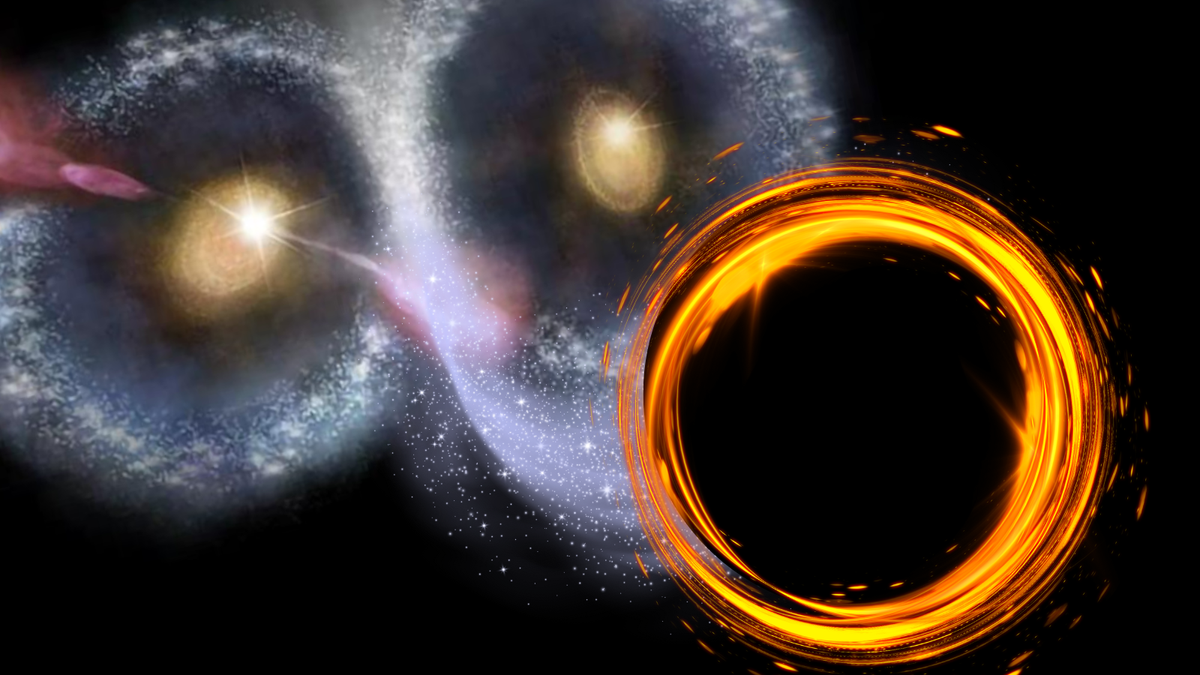
Meanwhile, actual astrophysicists explained that Webb’s infrared vision simply reveals the early universe in unprecedented detail, exposing complexity that was always there but previously invisible—an explanation that was correct, nuanced, and thoroughly outperformed by thumbnails screaming “THEY DIDN’T EXPECT THIS.” When preliminary data suggested that star formation in the early universe may have been far more efficient than models predicted, the panic gained traction: the universe didn’t ease into existence, it sprinted. Jokes about an overly productive cosmos landed badly, fake experts flourished, and claims that time itself behaved differently generated countless reaction videos featuring people staring into space whispering “bro.” Even mainstream outlets struggled to balance restraint with imagery that made humanity look uncomfortably small, prompting comment sections to conclude that being early in cosmic history might actually be worse. NASA officials emphasized patience, peer review, and process, which only fueled rumors that scientists were “quietly panicking,” because nothing signals panic quite like calm professionals discussing data tables in a conference room.