Comet Swift–Tuttle: The Real “Planet Killer” Claim
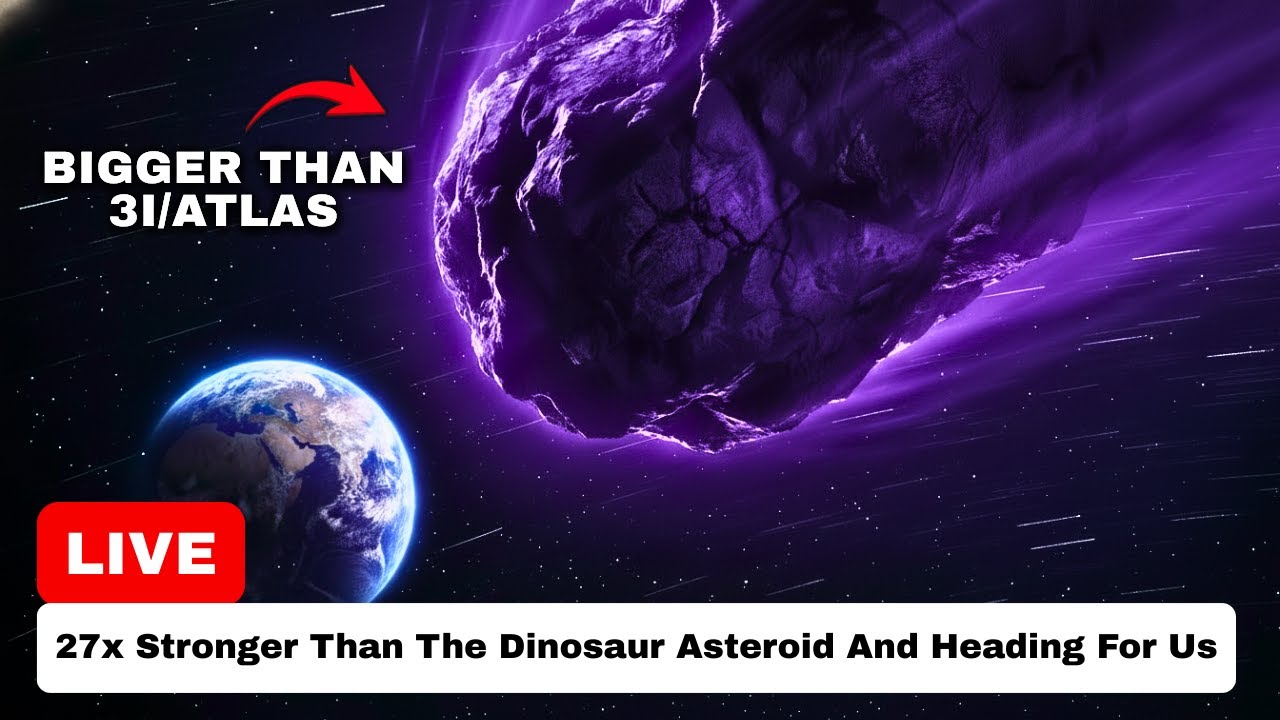
A viral narrative has recently resurfaced online claiming that Comet Swift–Tuttle represents a hidden “planet killer” threat that is being ignored in favor of attention on interstellar objects like 3I/ATLAS. These posts describe it as a massive, fast-moving object capable of causing extinction-level damage and suggest it poses an imminent or underestimated danger to Earth. However, these claims significantly exaggerate both the risk and the scientific understanding of this comet.
What Swift–Tuttle Actually Is
Comet Swift–Tuttle is a well-studied periodic comet discovered in 1862. It is best known as the parent body of the Perseid meteor shower, one of the most predictable and well-observed annual meteor events on Earth. The comet follows a long, elliptical orbit around the Sun, returning to the inner Solar System approximately every 133 years.
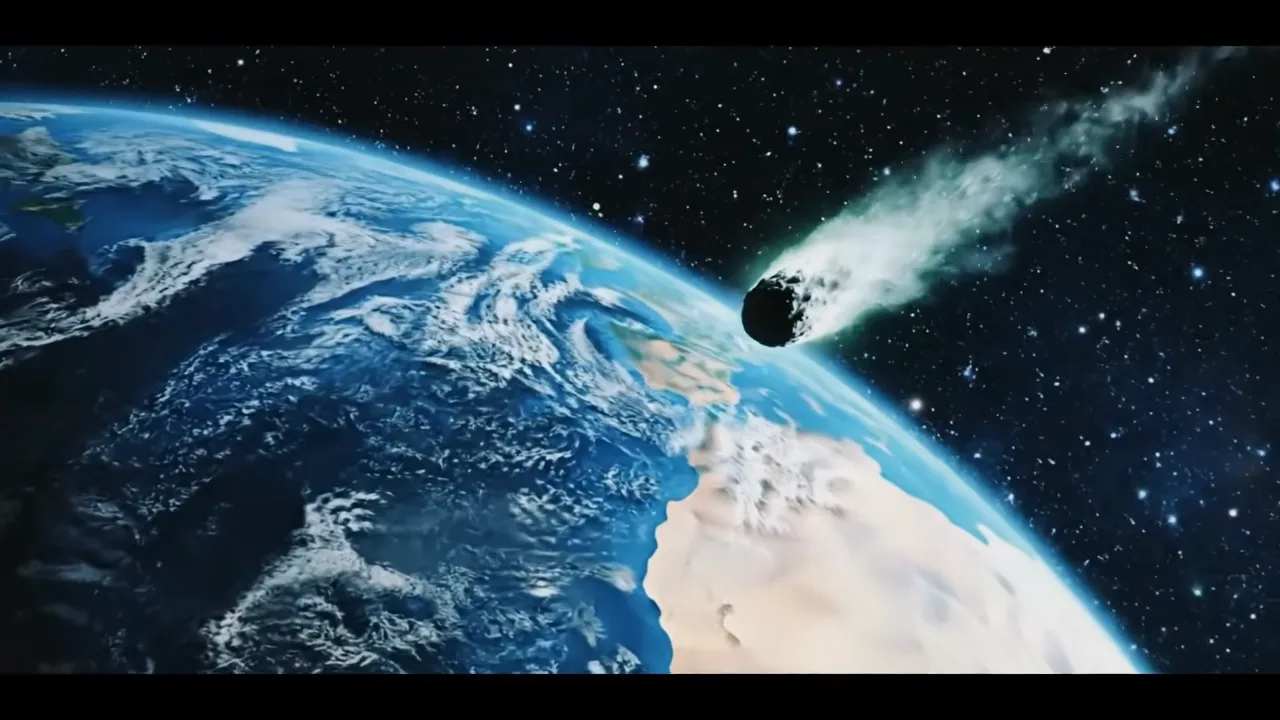
Its last close approach occurred in 1992, and its next predicted perihelion passage will be in 2126. Its orbit is tracked with high precision by astronomers worldwide, and its long-term trajectory is well understood.
Is It Really a “Planet Killer”?
The claim that Swift–Tuttle is a “planet killer” is not supported by scientific assessment.
While it is true that Swift–Tuttle is relatively large for a comet—about 26 kilometers in diameter—its orbit does not currently present a collision risk with Earth. Astronomical calculations show that its path remains well-separated from Earth’s orbit in all known future approaches over the next several centuries.
Even in hypothetical scenarios where an object of this size were to impact Earth, such an event is considered extremely unlikely based on current orbital predictions. There is no evidence suggesting an imminent or hidden collision risk.
Understanding the Energy and Risk Context
Large impact events are scientifically studied through planetary defense programs such as those coordinated by NASA and other space agencies. These programs track near-Earth objects and assess their probability of impact using long-term orbital modeling.
Comets like Swift–Tuttle are part of this cataloged system. Importantly:
Its orbit is stable and well-characterized
It is continuously monitored
No credible simulation indicates an Earth impact trajectory
Its future passes are predictable centuries in advance
While large impacts can have serious consequences in theory, risk assessment is based on probability, and Swift–Tuttle is not classified as a current threat.
Why It Gets Compared to 3I/ATLAS
Viral narratives often contrast Swift–Tuttle with newer interstellar objects like 3I/ATLAS to create dramatic tension between “known danger” and “mysterious unknown threat.” In reality, both types of objects are scientifically interesting but fundamentally different:
Swift–Tuttle: a known periodic comet with a long, predictable orbit
3I/ATLAS: a newly observed interstellar object with a one-time solar system passage
Neither is considered an imminent existential threat to Earth.
Why These “Hidden Threat” Stories Spread
Stories labeling cosmic objects as “ignored planet killers” tend to spread because they combine:
Real astronomical names and data
Large, emotionally impactful numbers (size, speed, energy)
Familiar fear themes (extinction, surprise impact, hidden danger)
Gaps in public familiarity with orbital mechanics
This mix can make normal scientific objects appear far more dangerous than they are.
Conclusion
Comet Swift–Tuttle is not a hidden or overlooked “planet killer.” It is a well-known, closely monitored periodic comet with a stable and predictable orbit that poses no known collision threat to Earth.
While it is scientifically important—especially as the source of the Perseid meteor shower—it does not represent an imminent danger or an underestimated catastrophe scenario.
In reality, it is one of the most thoroughly tracked comets in the Solar System, not a silent threat hiding in the background.