
3I/ATLAS and the “1 in a Million Natural Comet” Claim
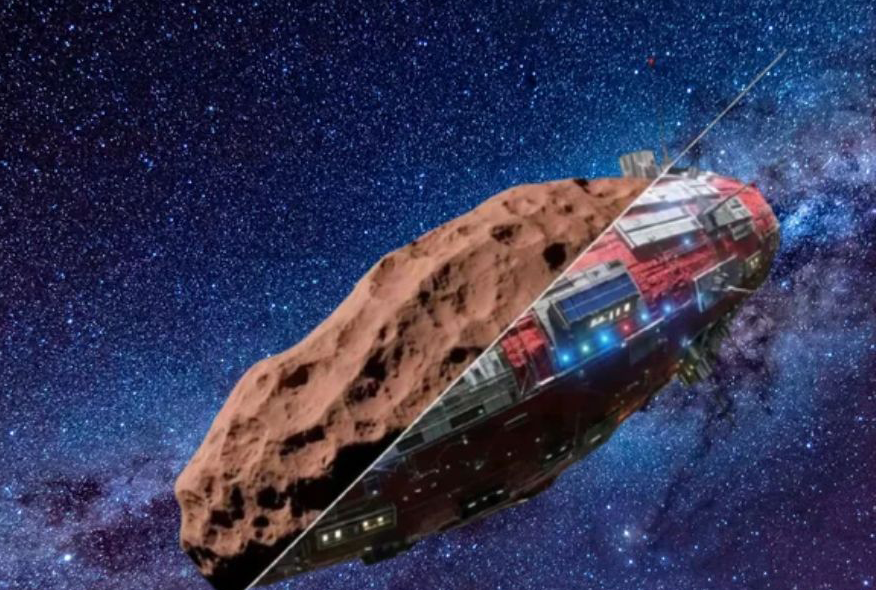
The interstellar object 3I/ATLAS has recently been described in viral and semi-scientific narratives as a “1 in a million chance” natural comet, sparking widespread discussion about its size, activity, and significance. While the framing varies across online sources, the scientific interpretation of 3I/ATLAS remains grounded in standard cometary physics and interstellar object research.
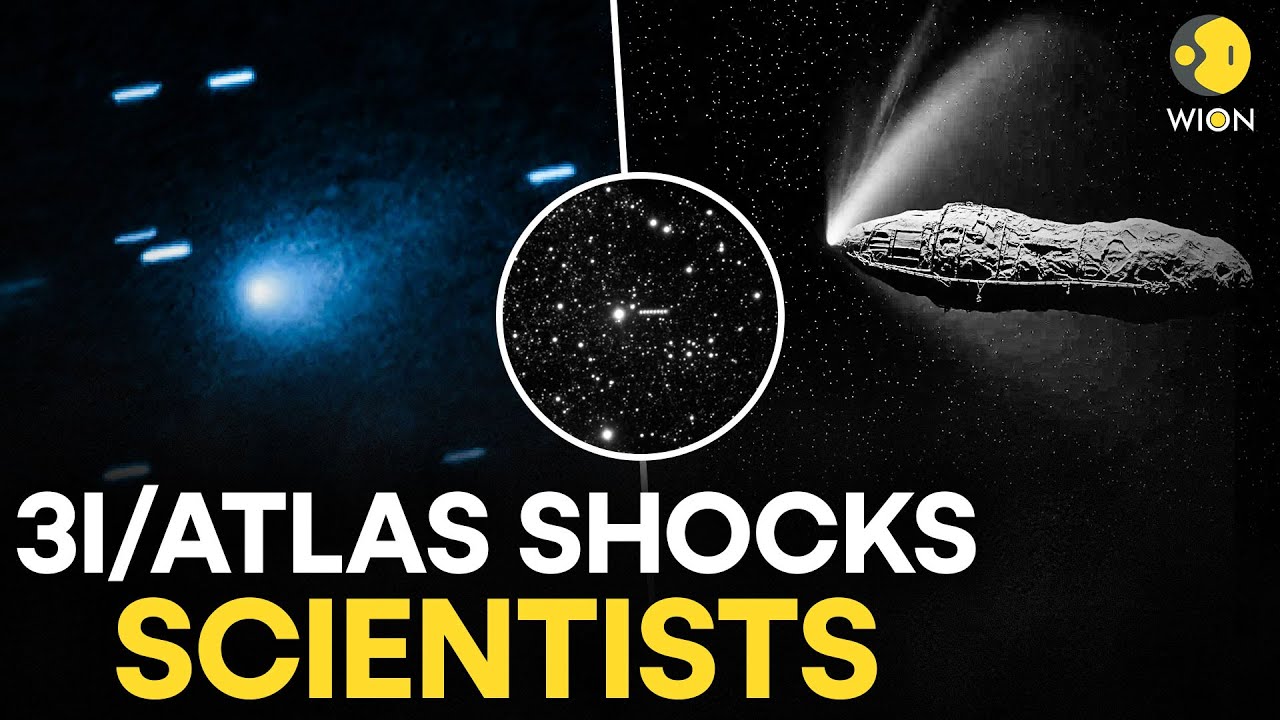
3I/ATLAS is the third confirmed interstellar object detected passing through our Solar System. Like its predecessors—ʻOumuamua and 2I/Borisov—it is understood to be a natural body originating outside the Solar System. Current observations suggest that it behaves like a comet, showing activity such as jets of material and a surrounding coma, which occur when icy substances sublimate under solar heating.
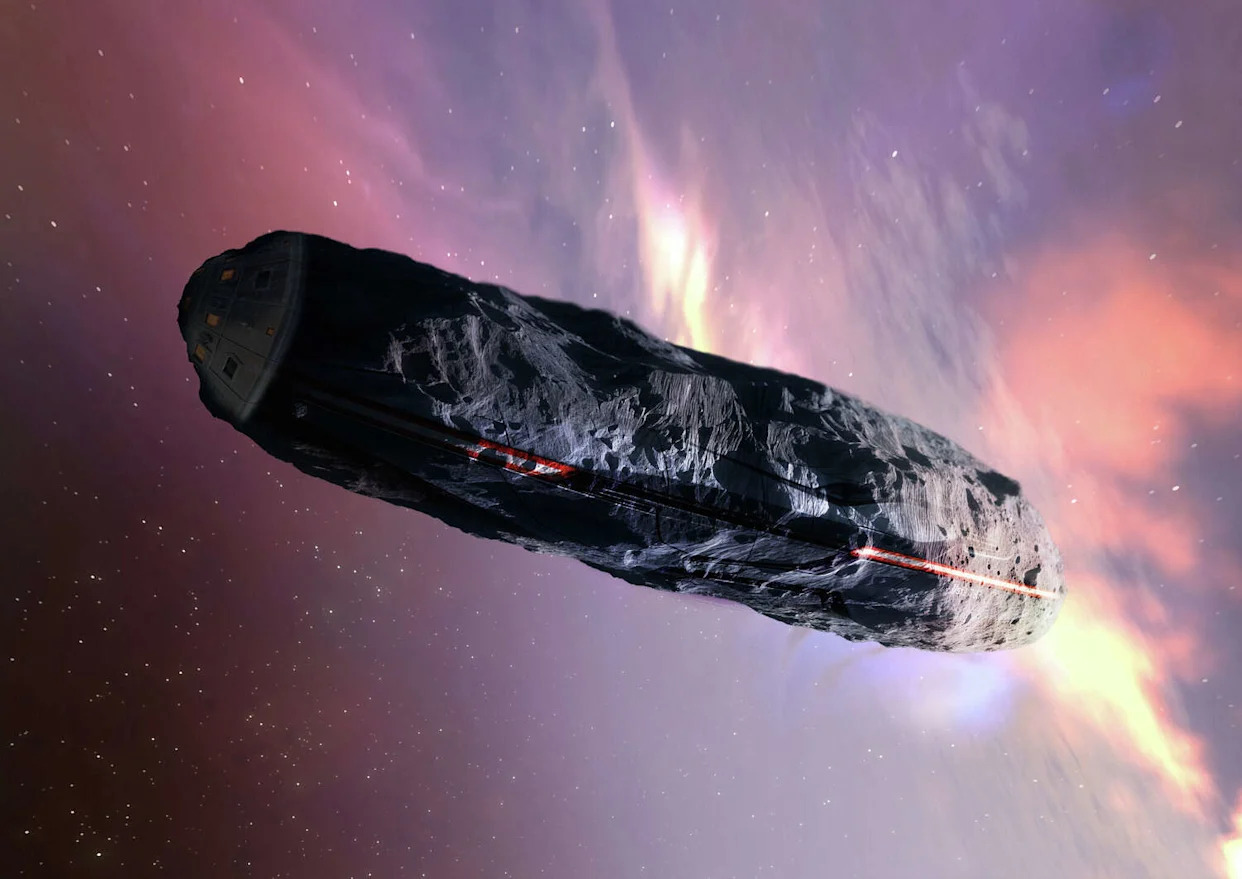
Images and observational data indicate features such as a tail and anti-tail structure, which are consistent with known cometary behavior. These features arise from dust and gas being released from the object’s surface and then shaped by solar radiation pressure and the object’s orbital motion. Such phenomena are well documented in both local and interstellar comets.
Some discussions reference estimates—such as large mass ranges or unusual activity levels—to emphasize the object’s uniqueness. However, while interstellar comets are rare and scientifically valuable, their observed properties still fall within the range of natural astrophysical processes. There is no evidence that 3I/ATLAS requires any explanation beyond standard cometary physics.
Comparisons are often made between 3I/ATLAS and earlier interstellar objects. ʻOumuamua, for example, displayed unusual brightness variations and lacked a clearly visible coma, while 2I/Borisov behaved more like a conventional comet. In this context, 3I/ATLAS is particularly important because it appears to exhibit clearer comet-like activity, helping scientists refine models of how interstellar material behaves when entering the Solar System.
The scientific significance of 3I/ATLAS lies in what it can reveal about planetary systems beyond our own. Interstellar comets carry material formed around other stars, offering a rare opportunity to study the chemistry and physical conditions of distant environments. This can contribute to broader understanding of planetary formation and the distribution of volatile compounds across the galaxy.
In astrobiology, comets are of interest because they may contain organic molecules—carbon-based compounds that serve as precursors to life. However, the presence of such molecules does not imply biological activity. Instead, it reflects well-known chemical processes that occur naturally in cold interstellar environments.
Observing objects like 3I/ATLAS is challenging due to their distance, faintness, and rapid motion across the sky. Astronomers rely on advanced telescopes and repeated measurements to track their trajectory and analyze their composition. Despite these challenges, modern survey systems have significantly improved the detection and study of such rare visitors.
In conclusion, 3I/ATLAS is best understood not as an anomaly requiring extraordinary explanations, but as a valuable example of a natural interstellar comet. Its activity and composition are helping scientists expand their understanding of how material behaves across different star systems, while reinforcing the idea that interstellar space is filled with diverse but fundamentally natural objects.