
Chelyabinsk UFO Theory (2013)
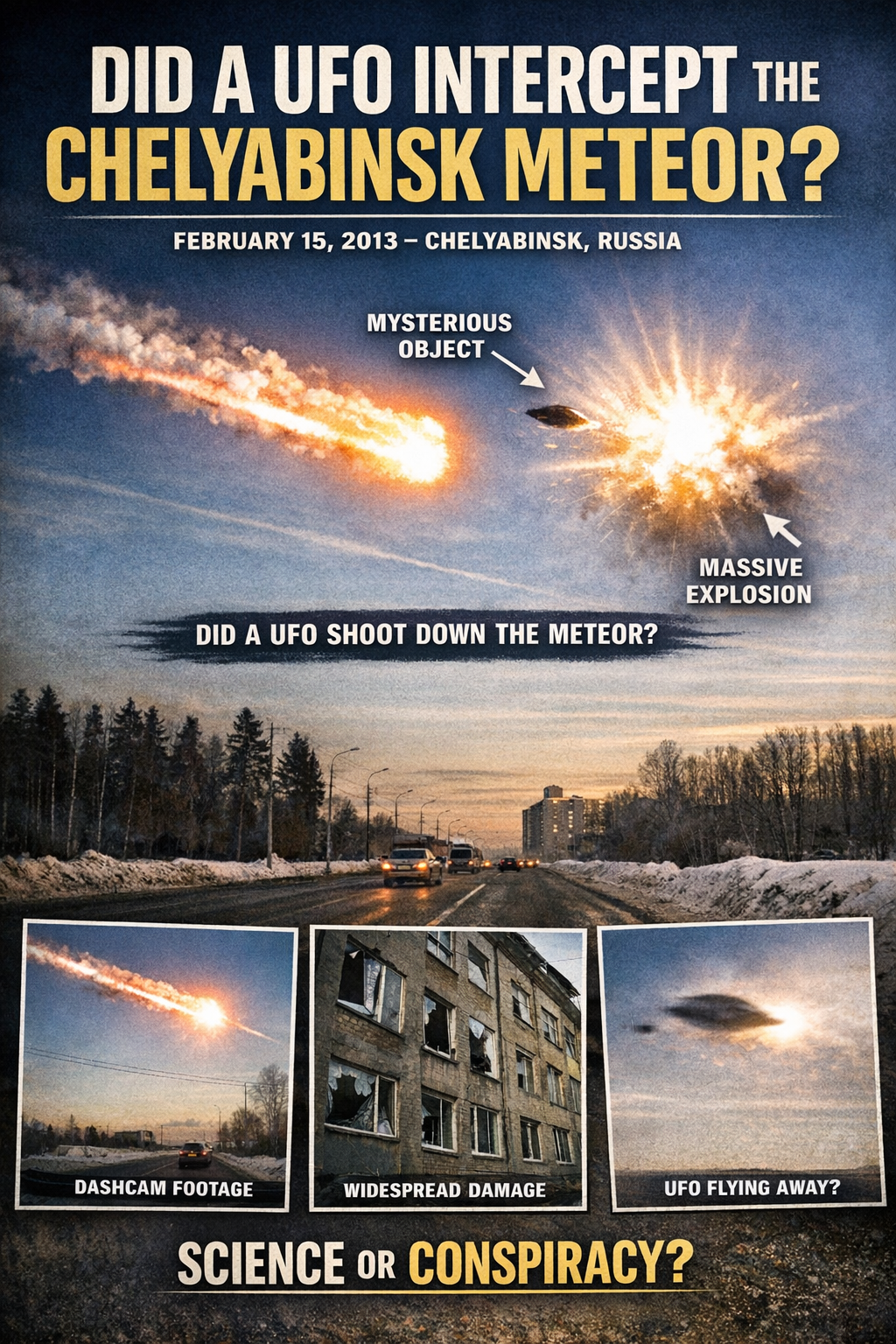
Chelyabinsk UFO Theory (2013): Did Something Intercept the Russian Meteor?
Introduction
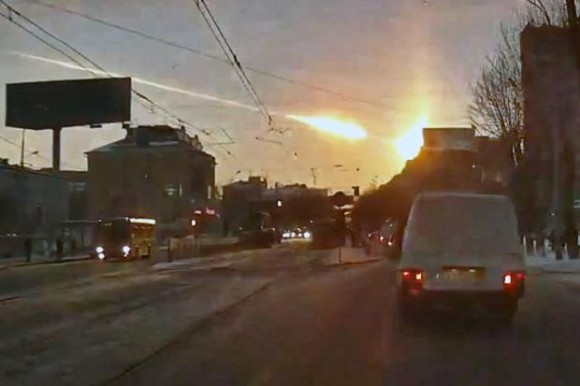
On February 15, 2013, a massive fireball streaked across the morning sky above the Russian city of Chelyabinsk. Moments later, a powerful explosion shook the region, shattering thousands of windows and injuring more than 1,000 people.
The event quickly became known as the Chelyabinsk meteor, the largest recorded meteor explosion since the Tunguska event.
However, shortly after the incident, a controversial theory emerged online: some viewers believed an unidentified flying object (UFO) intercepted or destroyed the meteor before it reached the ground.
The Day the Sky Exploded
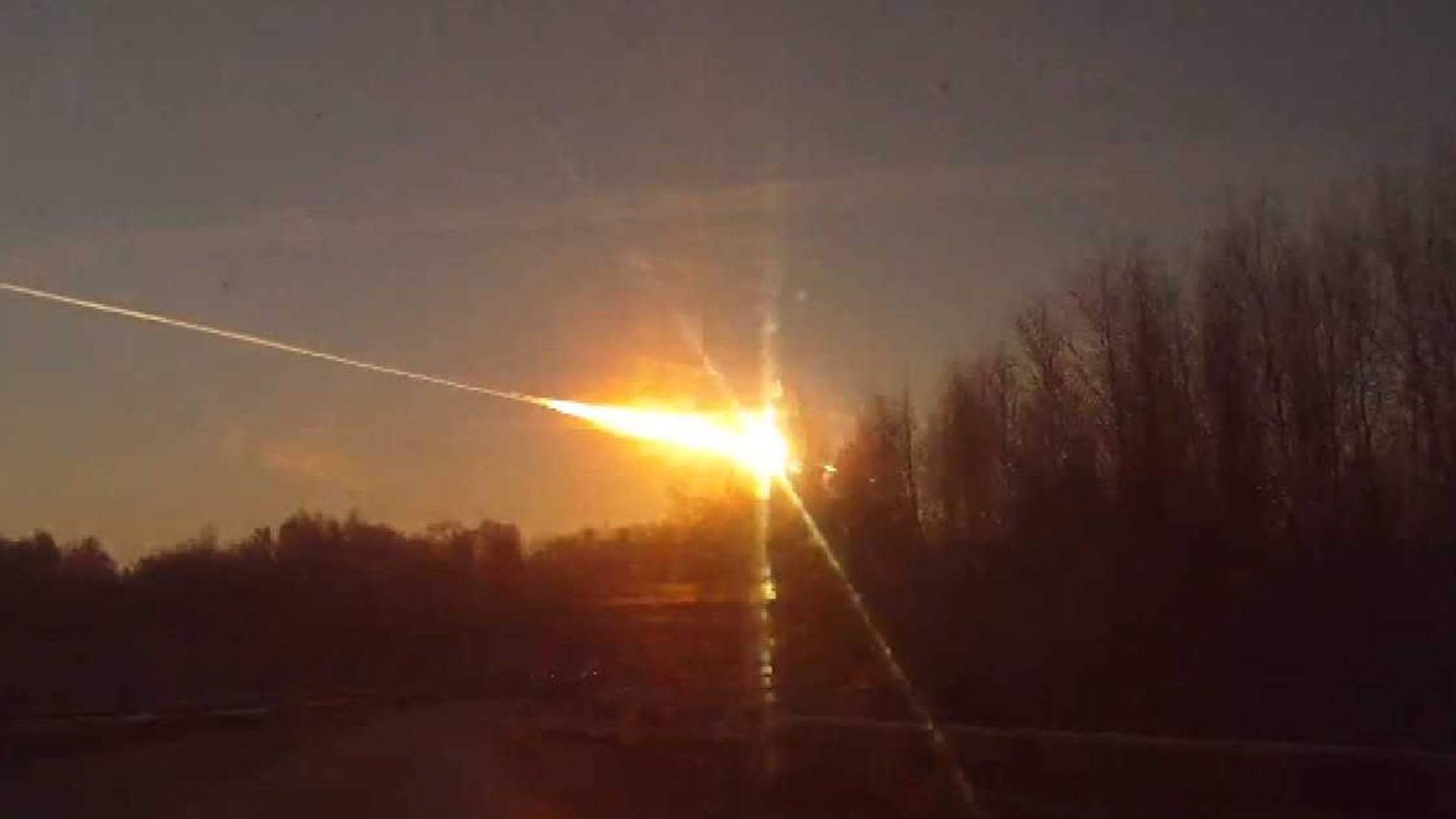
At approximately 9:20 a.m. local time, a space rock about 18 meters wide entered Earth’s atmosphere at nearly 19 km per second. As it traveled over the southern Ural region, the meteor produced a brilliant fireball brighter than the Sun.
The object exploded in an airburst about 30 kilometers above the ground, releasing energy estimated at hundreds of kilotons of TNT—roughly 30 times stronger than the Hiroshima atomic bomb.
The resulting shockwave damaged more than 7,000 buildings across the region.
Because Russia has widespread dashcam use, hundreds of videos captured the meteor streaking across the sky from multiple angles.
The UFO Interception Theory
Soon after the videos spread across the internet, some viewers noticed what appeared to be a small dark object flying near the meteor just before the explosion.
Supporters of the theory claimed that:
-
A fast-moving object approached the meteor
-
The meteor exploded immediately afterward
-
The smaller object appeared to fly away after the blast
Some UFO enthusiasts suggested that the unknown object might have intercepted the meteor to prevent a catastrophic impact on Earth.
These interpretations led to viral headlines such as “Did a UFO shoot down the Chelyabinsk meteor?”
Scientific Explanations
Scientists and astronomers quickly investigated the claims. Experts concluded that the explosion was caused by natural atmospheric pressure and heat, not by an external object.
According to researchers:
-
The meteor fragmented due to extreme pressure while traveling at hypersonic speed
-
The explosion was a typical meteor airburst
-
The “mysterious object” seen in some videos was likely a fragment of the meteor or a camera artifact
Because hundreds of cameras recorded the event, scientists were able to reconstruct the meteor’s trajectory and confirm its natural origin.
Why the Theory Spread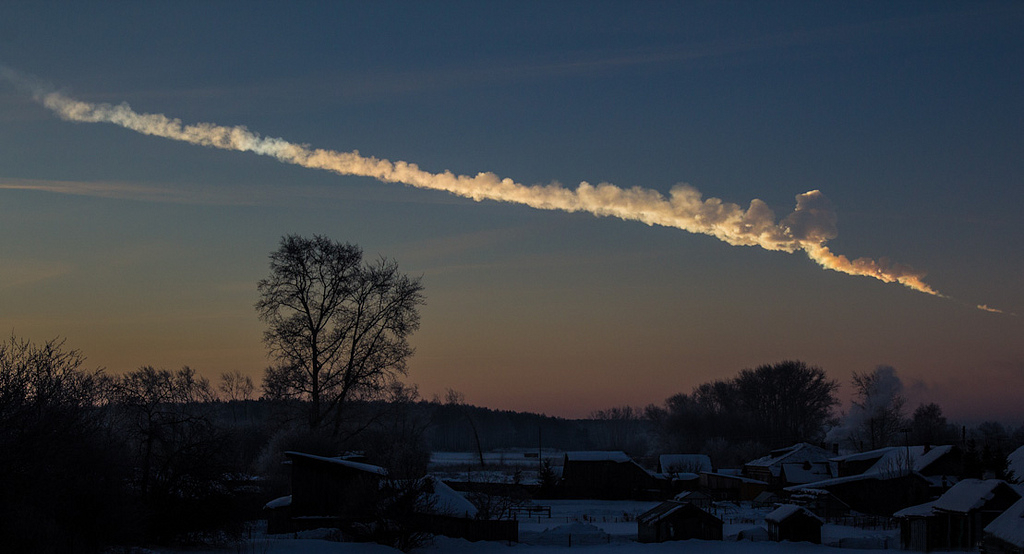
The Chelyabinsk event occurred during the early era of viral dashcam videos, which helped the footage spread rapidly across social media.
Several factors contributed to the UFO theory:
-
Slow-motion analysis of dashcam footage
-
Optical illusions caused by windshield reflections or debris
-
The sudden timing of the explosion
-
Public fascination with UFO phenomena
These elements made the incident fertile ground for speculation.
Legacy of the Chelyabinsk Event
Despite the conspiracy theories, the Chelyabinsk explosion became an important scientific event. It demonstrated how dangerous near-Earth objects can appear without warning, especially when approaching from the direction of the Sun.
Today the event is often cited by astronomers as a “wake-up call” for planetary defense programs designed to detect hazardous asteroids.
✅ Conclusion
The Chelyabinsk meteor of 2013 remains one of the most dramatic natural events ever captured on video. While theories about UFO intervention continue to circulate online, the overwhelming scientific consensus is that the explosion was the result of a natural meteor airburst.
Yet the mystery and spectacular footage ensure that the event remains one of the most fascinating moments in modern space history.
