
Göbekli Tepe: The World’s Oldest Temple and Its Ancient Mystery
Göbekli Tepe: The World’s Oldest Temple and Its Ancient Mystery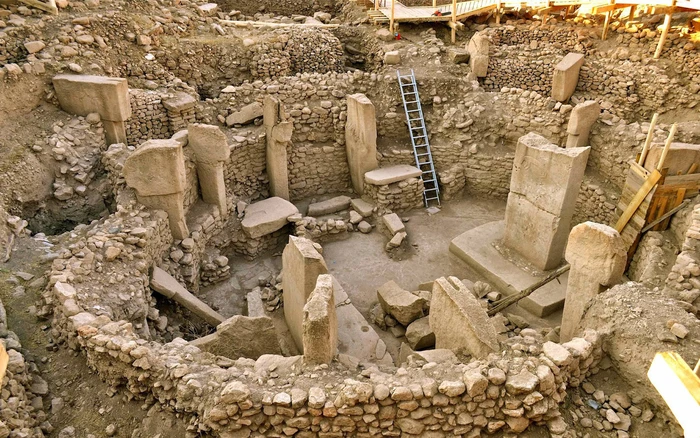
Introduction
In the deserts of southeastern Turkey lies one of the most extraordinary archaeological discoveries ever made. Long before the construction of pyramids or Stonehenge, ancient people built a massive ceremonial complex consisting of giant stone pillars arranged in circles.
This site, known as Göbekli Tepe, has dramatically changed historians’ understanding of early human civilization. Dating back more than 11,000 years, it may be the oldest known temple in the world.
Yet despite years of research, Göbekli Tepe remains surrounded by deep mystery.
Discovery of the Ancient Site
The site is located near the modern city of Şanlıurfa in southeastern Turkey.
Although local farmers had long noticed unusual stones in the area, the site was not properly identified until 1994, when German archaeologist Klaus Schmidt began systematic excavations.
What he uncovered astonished the archaeological world.
Massive Stone Pillars
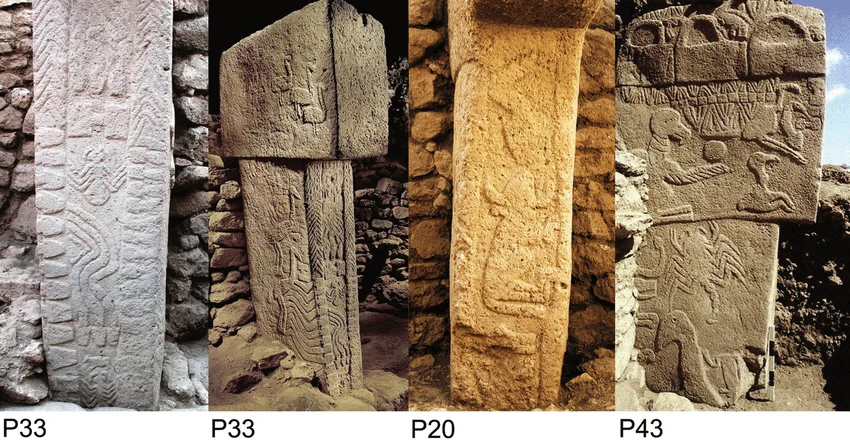
Göbekli Tepe consists of enormous T-shaped limestone pillars arranged in circular structures.
Some pillars are:
-
Up to 5.5 meters tall
-
Weighing 10–20 tons
-
Decorated with intricate carvings of animals
The carvings depict creatures such as:
-
Lions
-
Snakes
-
Scorpions
-
Foxes
-
Birds
These detailed images show that the builders possessed remarkable artistic and engineering skills.
Older Than the Pyramids
One of the most surprising facts about Göbekli Tepe is its age.
Archaeologists estimate that the site was built around 9600 BC, thousands of years before famous ancient monuments such as:
-
Stonehenge
-
Great Pyramid of Giza
This means Göbekli Tepe was constructed during a time when humans were thought to be simple hunter-gatherers, not organized builders of monumental architecture.
This discovery forced historians to rethink how early civilizations developed.
Who Built Göbekli Tepe?
At the time Göbekli Tepe was built, agriculture had not yet fully developed in the region.
This raises an extraordinary question:
How could hunter-gatherer societies organize the labor needed to build such massive structures?
Some researchers believe the construction of large ceremonial centers like Göbekli Tepe may have encouraged people to settle down and develop agriculture, rather than agriculture leading to civilization.
If true, it would reverse the traditional theory about how human societies evolved.
Why Was the Site Buried?
Another strange mystery is that Göbekli Tepe was deliberately buried around 8000 BC.
Instead of collapsing naturally, the entire complex appears to have been intentionally covered with soil and debris.
Archaeologists are still unsure why the ancient builders did this.
Possible explanations include:
-
Ritual closure of sacred spaces
-
Cultural changes in the society
-
Protection of the site for spiritual reasons
The burial may actually be the reason the structures survived for thousands of years.
Symbolism and Meaning
The carvings on the pillars may represent mythological or religious symbols.
Some pillars appear to represent stylized human figures, with carved arms and hands along the sides.
Researchers believe Göbekli Tepe may have been:
-
A religious sanctuary
-
A gathering place for rituals
-
A center of early spiritual belief systems
However, without written records, the exact meaning of the site remains unknown.
A UNESCO World Heritage Site
Because of its extraordinary historical importance, Göbekli Tepe was designated a UNESCO World Heritage Site in 2018.
Excavations continue today, and archaeologists believe only a small portion of the site has been uncovered.
Many more discoveries may still lie hidden beneath the soil.
Conclusion
Göbekli Tepe is one of the most important archaeological discoveries of the modern era. Its massive pillars, mysterious carvings, and incredible age challenge long-held beliefs about the origins of civilization.
More than 11,000 years after its construction, the site still raises profound questions about the intelligence, beliefs, and capabilities of early humans.
- As research continues, Göbekli Tepe may reveal even more secrets about humanity’s ancient past.
