
Rockets do not lift off by pushing against the ground
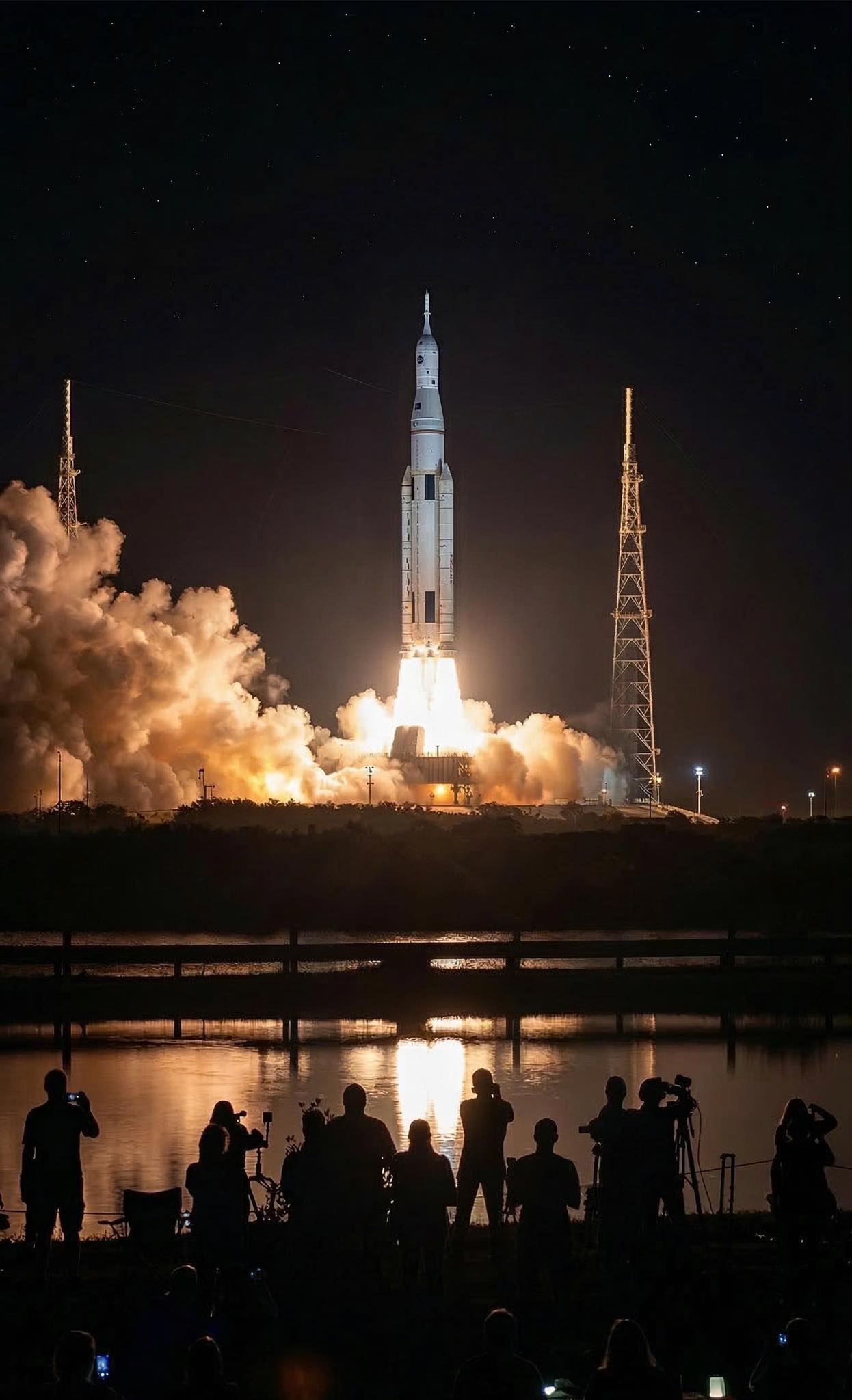
Rockets do not lift off by pushing against the ground. They generate thrust through a different mechanism: expelling high-speed exhaust gases downward at enormous velocity. According to Newton’s third law of motion—every action has an equal and opposite reaction—the forceful expulsion of mass in one direction produces an equal force propelling the rocket in the opposite direction, upward.
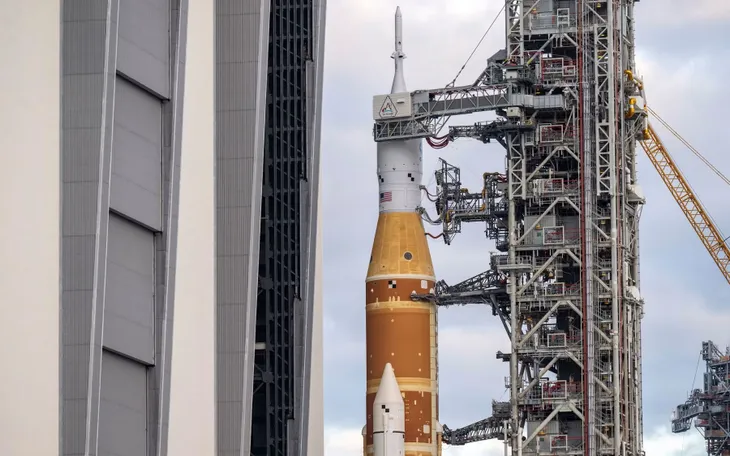
This reaction principle means rockets require no external medium like air or a solid surface to push against. They work equally well—or even better—in the vacuum of space, where there is no atmosphere to create drag or resistance. In fact, once beyond Earth’s atmosphere, rockets become far more efficient because they avoid the energy losses caused by air friction during launch.
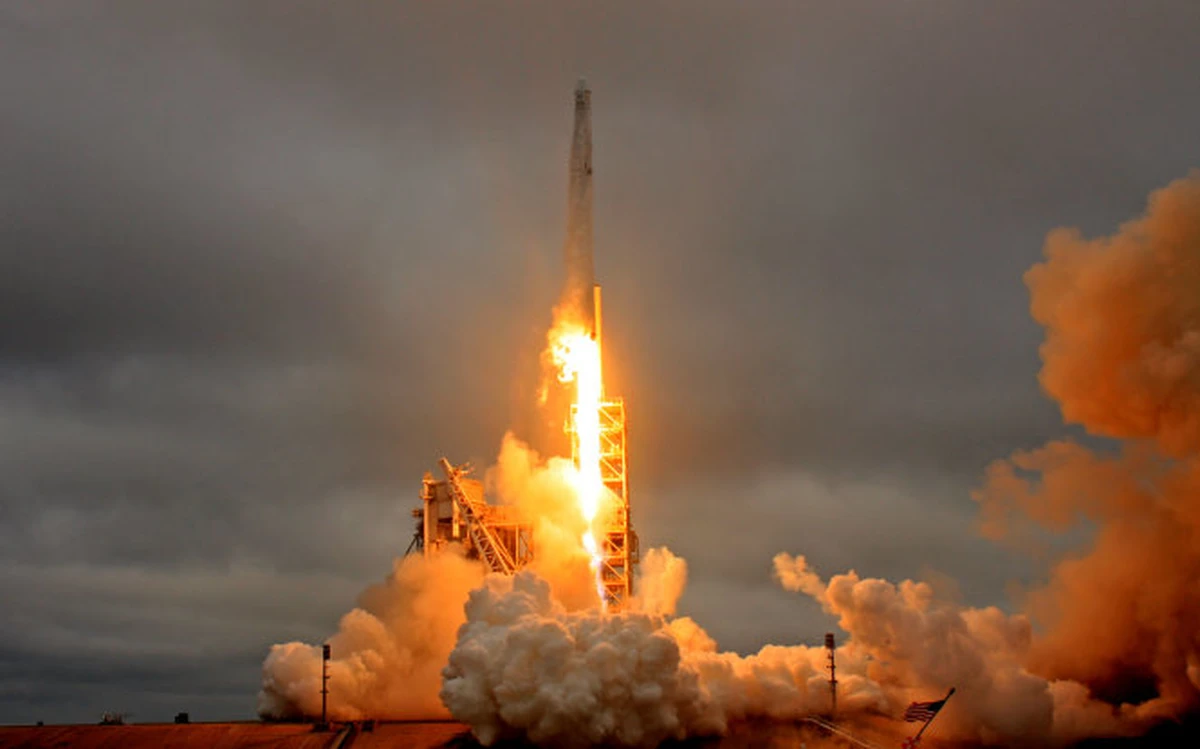
The core idea is conservation of momentum: by rapidly ejecting propellant mass backward, the rocket gains forward (or upward) momentum. This is why spacecraft can accelerate, change direction, orbit planets, travel between worlds, and perform deep-space maneuvers—all relying solely on onboard fuel and the physics of action-reaction, with nothing external to “push” against.
This elegant mechanism is what makes rocket propulsion uniquely suited for space exploration.
