
The Final Hurdle: Reentry and Homecoming
The Final Hurdle: Reentry and Homecoming
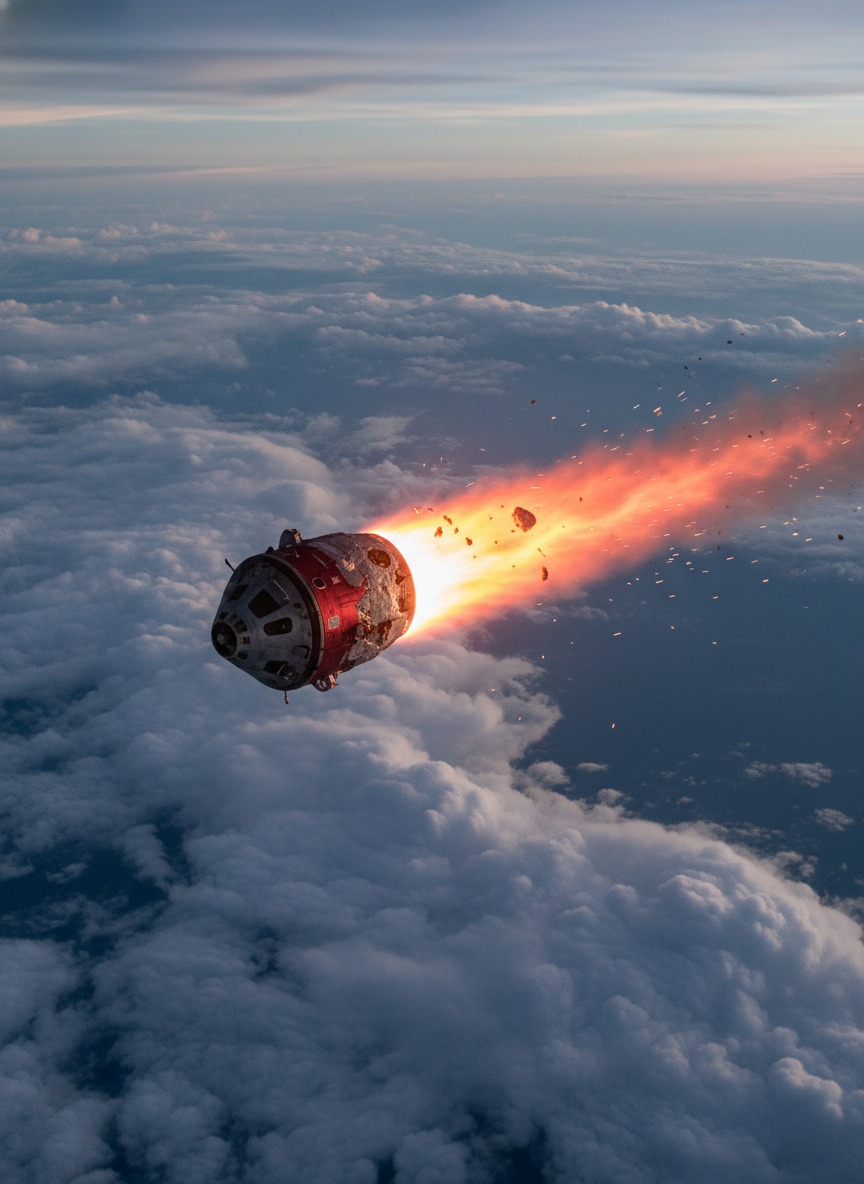
The most critical and intense phase of the Artemis II mission comes at the end: the high-speed return through Earth’s atmosphere. After a daring lunar flyby, the Orion spacecraft hurtles back toward our planet at approximately 25,000 miles per hour—around Mach 32, making it one of the fastest crewed reentries in history.
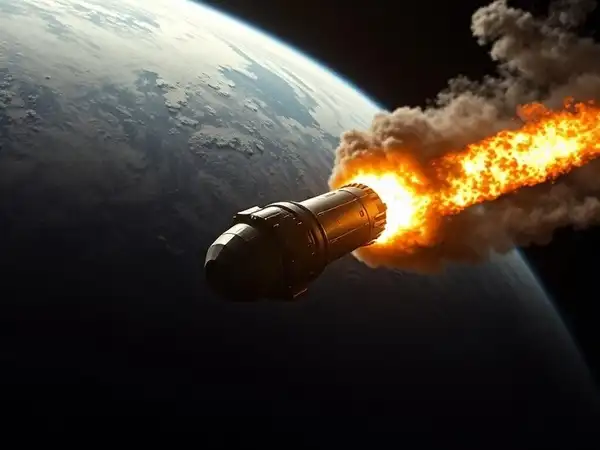
This blazing velocity transforms the atmosphere into a fiery barrier. As Orion plunges in, compression and friction generate extreme heat, with the heat shield enduring temperatures exceeding 5,000 degrees Fahrenheit (about 2,760°C). The ablative material chars and erodes deliberately to carry away that thermal energy, protecting the crew inside from the plasma sheath that envelops the capsule.
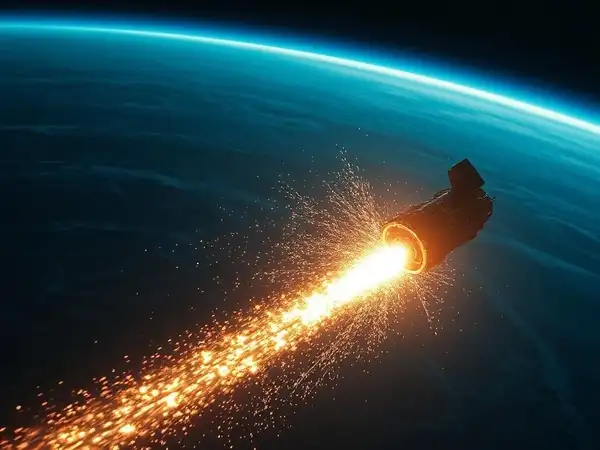
Engineers designed this reentry to be precise and survivable. The spacecraft follows a carefully calculated trajectory, dissipating speed through aerodynamic forces while managing g-forces on the astronauts. Communication blackouts occur during peak heating due to ionized plasma blocking signals, adding tension to an already demanding sequence.
Once slowed sufficiently, parachutes deploy in stages to guide Orion to a gentle splashdown in the Pacific Ocean, where recovery teams await. This final hurdle tests every system—from thermal protection to guidance and crew safety—proving the spacecraft’s readiness for future lunar landings and deeper space exploration.
Surviving reentry at such velocity marks the triumphant homecoming for the Artemis II crew, closing a historic chapter in humanity’s return to the Moon.
