
The Somerton Man Mystery: The Unsolved Case of Australia’s Unknown Man
📰 The Somerton Man Mystery: The Unsolved Case of Australia’s Unknown Man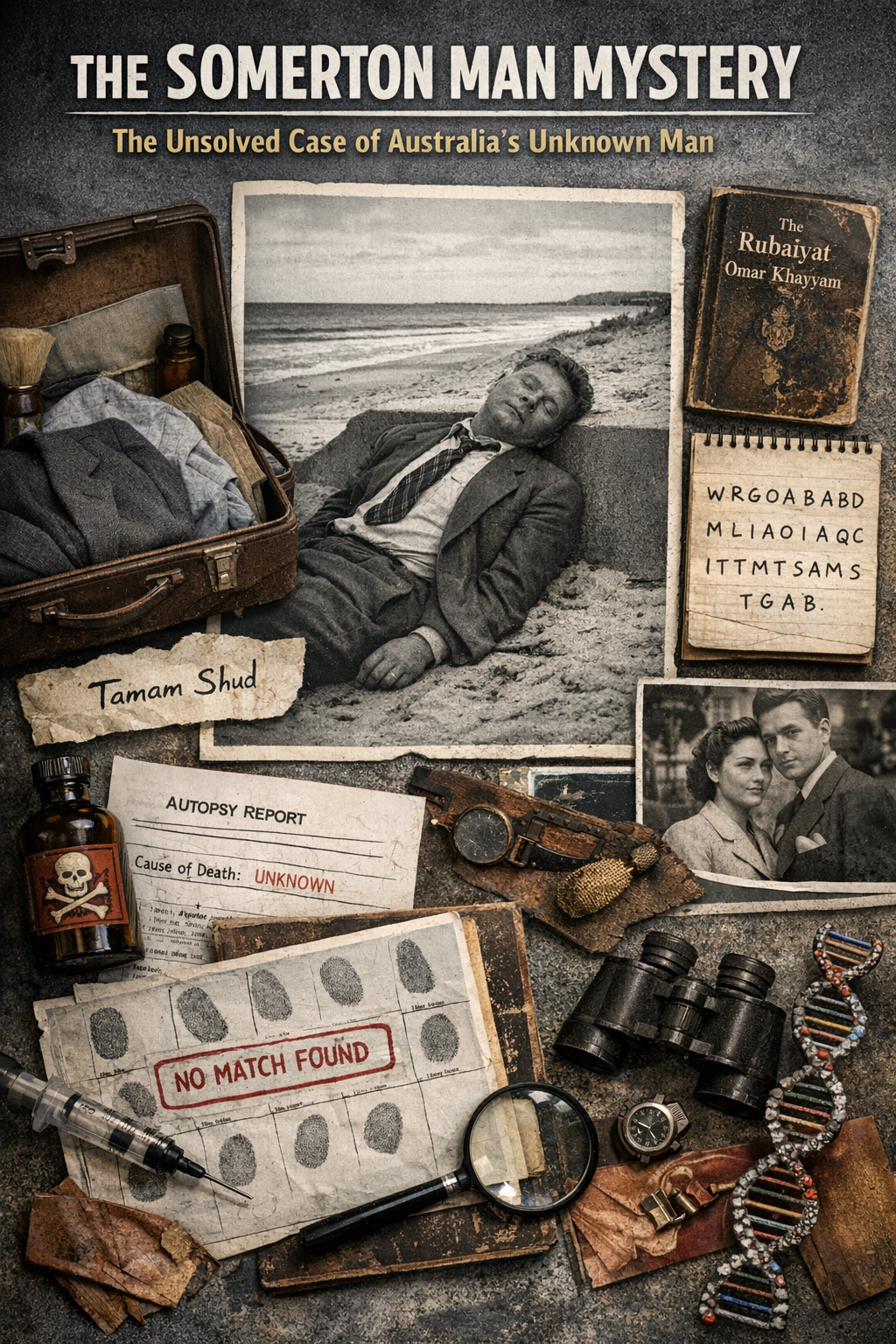
Introduction
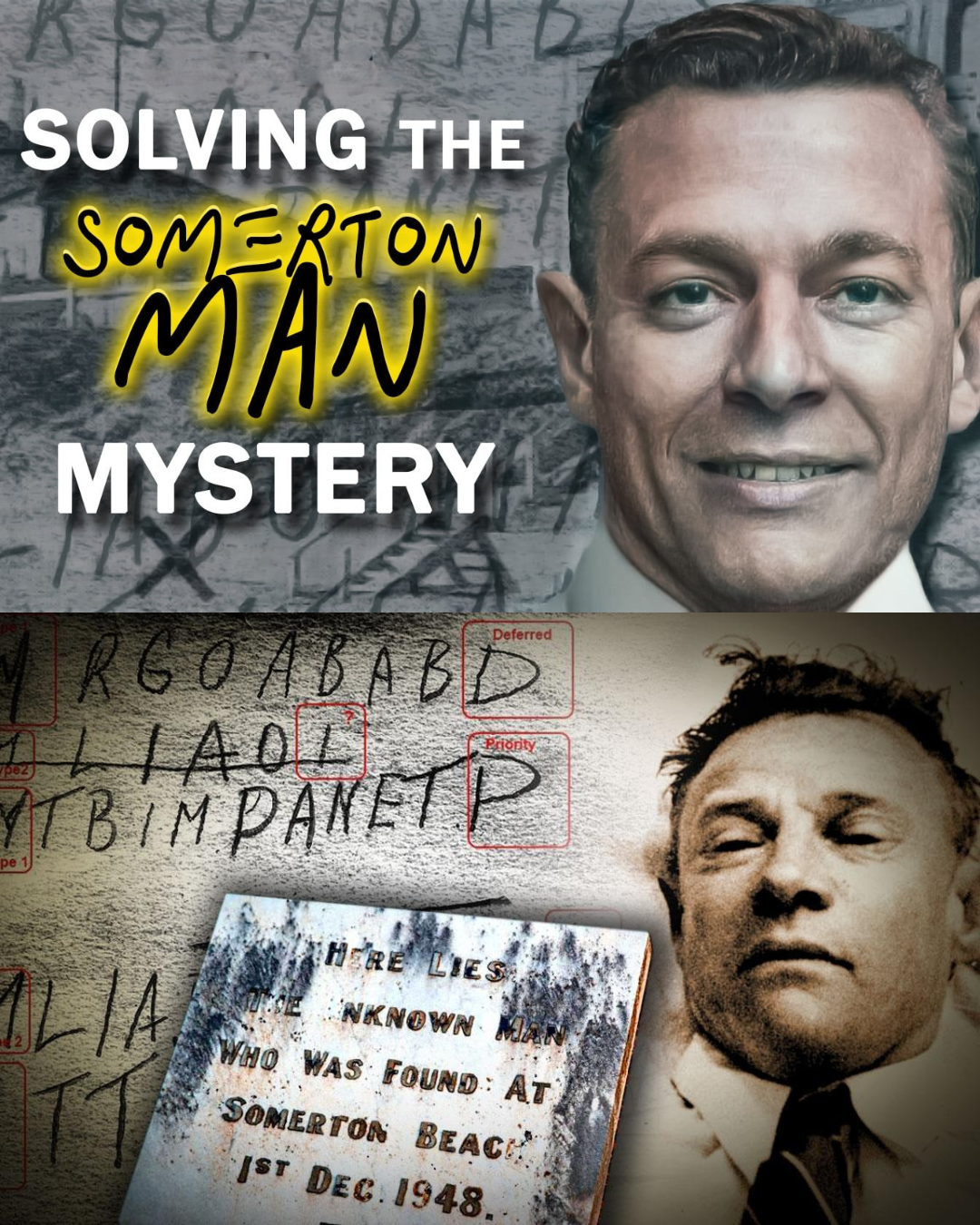
On the morning of December 1, 1948, a mysterious man was found dead on Somerton Beach in Adelaide. Decades later, his identity and cause of death remain among the most perplexing unsolved mysteries in modern history. Known as the Somerton Man, the case has fascinated investigators, scientists, and conspiracy theorists for over 75 years.
The Discovery
The man was found sitting upright, leaning against a seawall, as if he had simply fallen asleep. He was well-dressed in a suit and tie, but all labels on his clothing had been removed, making identification extremely difficult.
Near his body, investigators discovered a suitcase containing more clothing and personal items—but again, no identifying information.
Even more puzzling, an unopened copy of the final page of a rare Persian poetry book, The Rubaiyat of Omar Khayyam, was found in his pocket. The phrase “Tamam Shud”—meaning “ended” or “finished”—had been torn from the book, linking it directly to the case.
The Cryptic Clue
Months later, police located the exact copy of the book from which the page had been torn. Inside, they discovered a series of handwritten, seemingly coded letters—now known as the Somerton code.
To this day, the meaning of this code remains uncertain. Many believe it may be:
-
A secret message
-
A form of espionage communication
-
Or even a personal note written in an unknown cipher
Despite numerous attempts by cryptographers, the code has never been conclusively solved.
Suspicious Circumstances
The autopsy revealed that the man likely died from poisoning, though no clear cause or substance was definitively identified. No trace of conventional poison was found in his body, adding to the confusion.
Witnesses reported seeing a man resembling the deceased near the beach earlier that day. Some accounts suggest he may have been sitting alone for hours before his death.
One of the strangest aspects: the man’s physical condition appeared perfect, with no signs of trauma, violence, or struggle.
The Identity That Never Was
Despite extensive investigations, no one could identify the Somerton Man. Fingerprints were circulated internationally, but no matches were found.
For decades, he remained a symbol of anonymity—buried in an unmarked grave in Adelaide.
A Breakthrough—But Not the End
In recent years, advances in DNA analysis have provided new clues. In 2022, researchers believed they had identified the man as Carl Webb, an electrical engineer from Australia.
However, while this breakthrough narrowed down possibilities, some aspects of the case still remain uncertain, and not all experts fully agree that the mystery has been completely solved.
Possible Explanations
Over the years, several theories have emerged:
-
Espionage: The man may have been a spy during the early Cold War.
-
Secret identity: He could have been deliberately hiding his identity.
-
Poisoning: A rare or undetectable poison might have caused his death.
-
Medical condition: Some suggest a natural but undiagnosed medical issue.
-
Love or personal tragedy: A romantic or emotional motive has also been proposed.
None of these theories fully explain all aspects of the case.
Visual Representation
Why the Mystery Endures
The Somerton Man case remains one of the most haunting unsolved mysteries of the 20th century. Even with modern technology, it continues to challenge our understanding of identity, death, and secrecy.
Whether he was a spy, a wanderer, or someone lost to history, one truth remains: the Somerton Man still represents one of the greatest unanswered questions in forensic science.
