
The Hubble Tension: A Cosmic Disagreement Shaking Modern Astronomy
📰 The Hubble Tension: A Cosmic Disagreement Shaking Modern Astronomy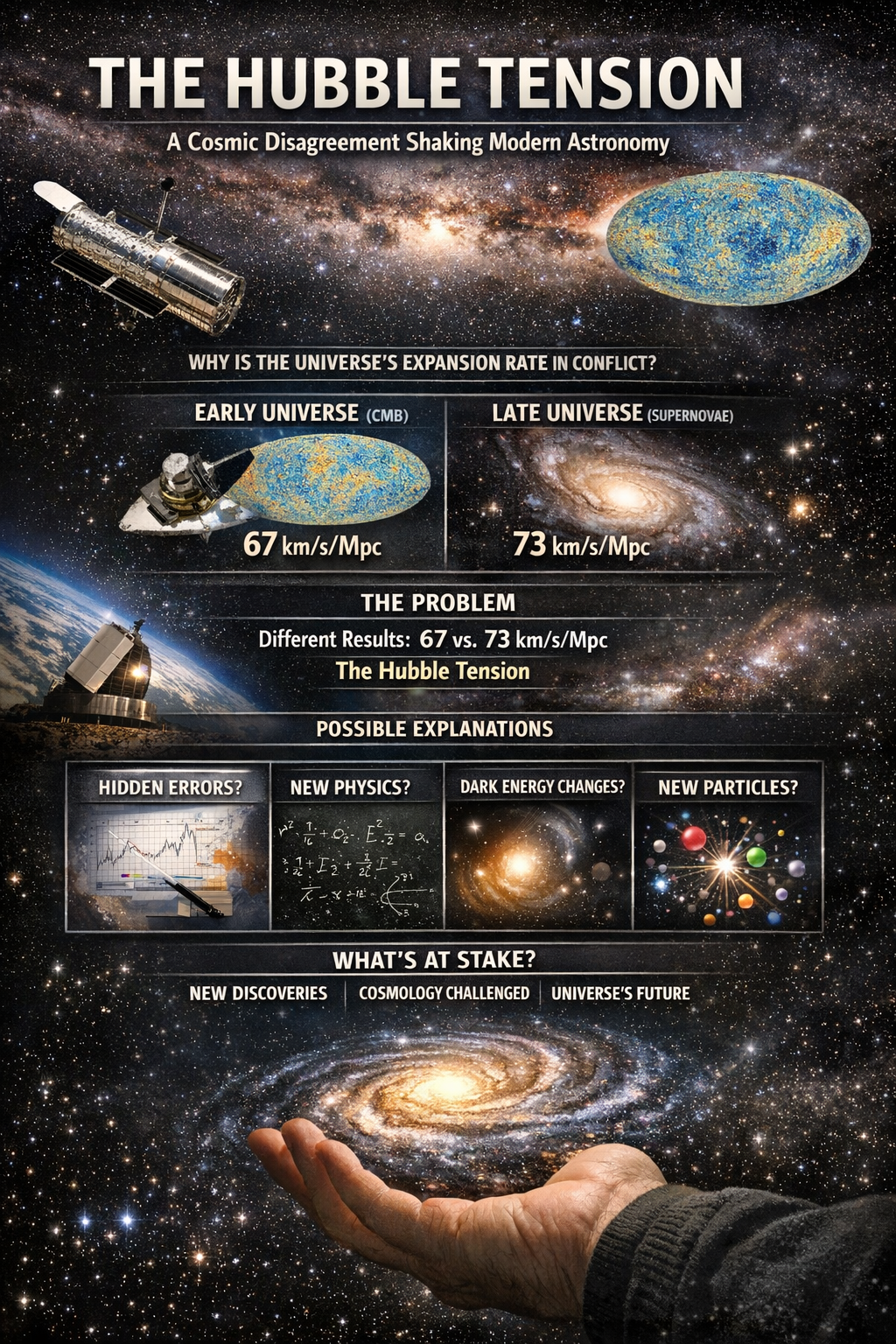
Introduction
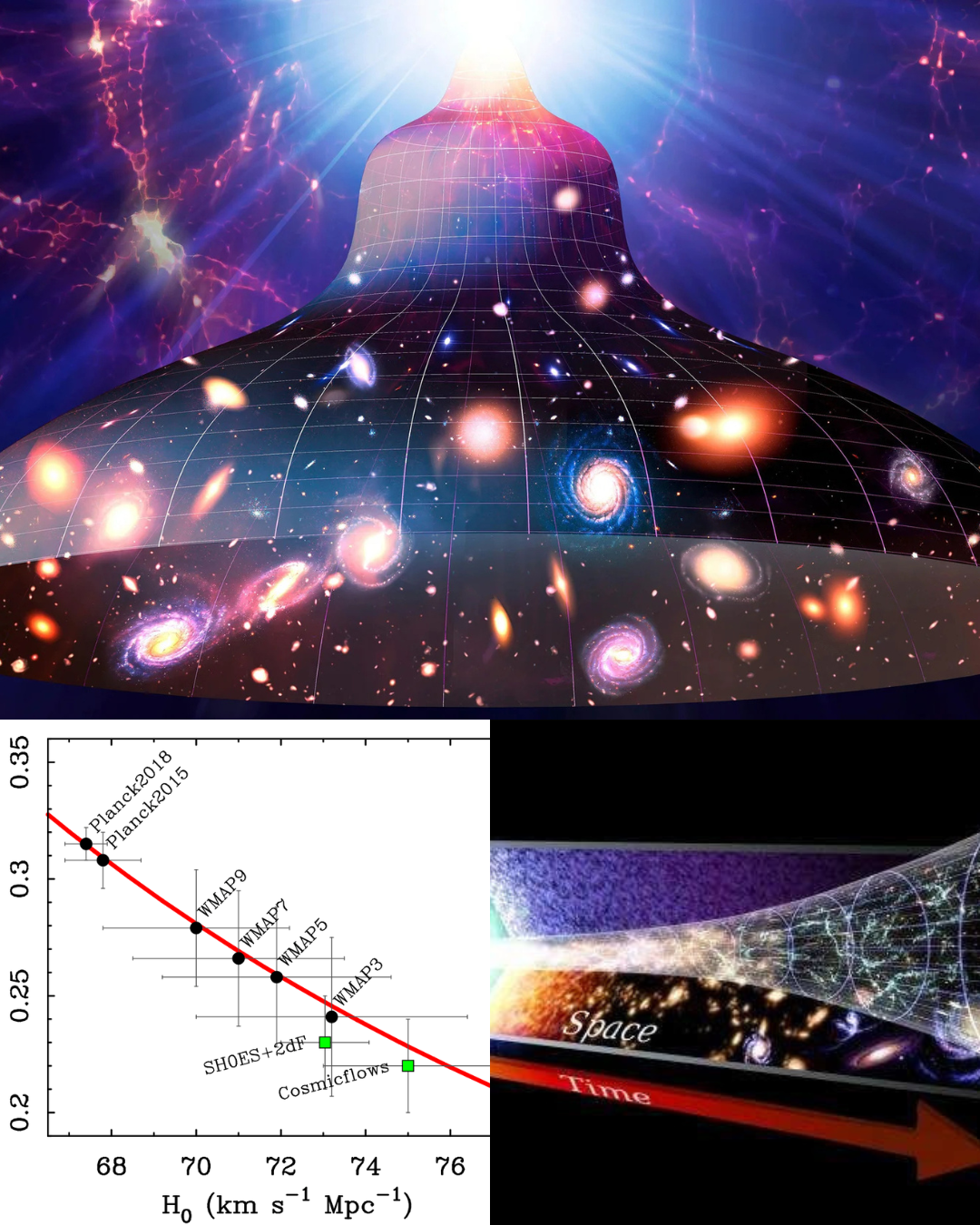
In modern cosmology, scientists strive to measure how fast the universe is expanding. But a surprising problem has emerged: different methods give different answers. This puzzling conflict is known as the Hubble Tension.
What seems like a simple measurement has turned into one of the biggest mysteries in astrophysics.
The Expanding Universe
The expansion of the universe was first discovered by Edwin Hubble in the 1920s. He found that galaxies are moving away from us, and the farther they are, the faster they recede.
This relationship is described by the Hubble Constant, often denoted as H0H_0.
Two Conflicting Measurements
1. Early Universe Method
This method uses data from the early universe, particularly the cosmic microwave background (CMB), observed by missions like the Planck Space Observatory.
It predicts a value of about:
-
67 km/s/Mpc
2. Late Universe Method
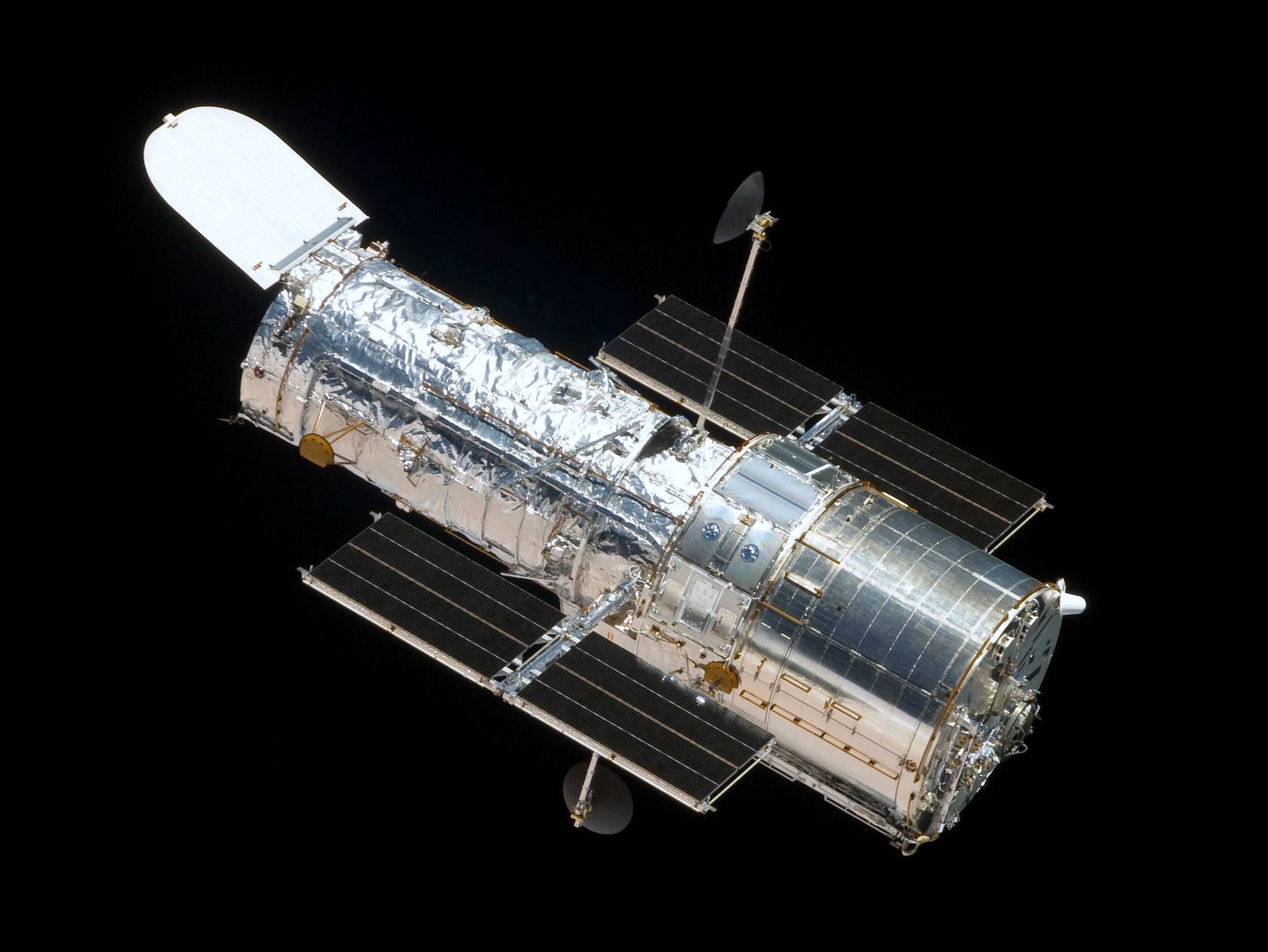
This method measures distances to nearby galaxies using stars and supernovae, led by astronomers like Adam Riess.
It gives a higher value of about:
-
73 km/s/Mpc
The Problem
These two values should agree—but they don’t.
The difference is too large to be explained by simple measurement errors. This disagreement is what scientists call the Hubble Tension.
It suggests that something in our understanding of the universe may be incomplete.
Possible Explanations
Scientists have proposed several ideas to resolve the tension:
-
Hidden errors: There may still be unknown systematic errors in measurements
-
New physics: The laws of physics may need to be revised
-
Dark energy changes: Dark energy might not be constant over time
-
New particles: Unknown particles or forces could affect cosmic expansion
Some researchers believe this could point to physics beyond the current standard cosmological model.
Visual Representation

Why It Matters
The Hubble Tension is more than just a disagreement over numbers—it challenges the foundations of cosmology.
Resolving it could:
-
Reveal new physics
-
Improve our understanding of dark energy
-
Change our picture of the universe’s history and future
Conclusion
The Hubble Tension remains one of the most exciting and mysterious problems in modern science.
As new telescopes and missions collect more precise data, scientists hope to uncover the truth behind this cosmic disagreement.
Until then, the universe continues to expand—and so does the mystery surrounding it.
