
Out-of-Body Experiences: When the Mind Leaves the Body
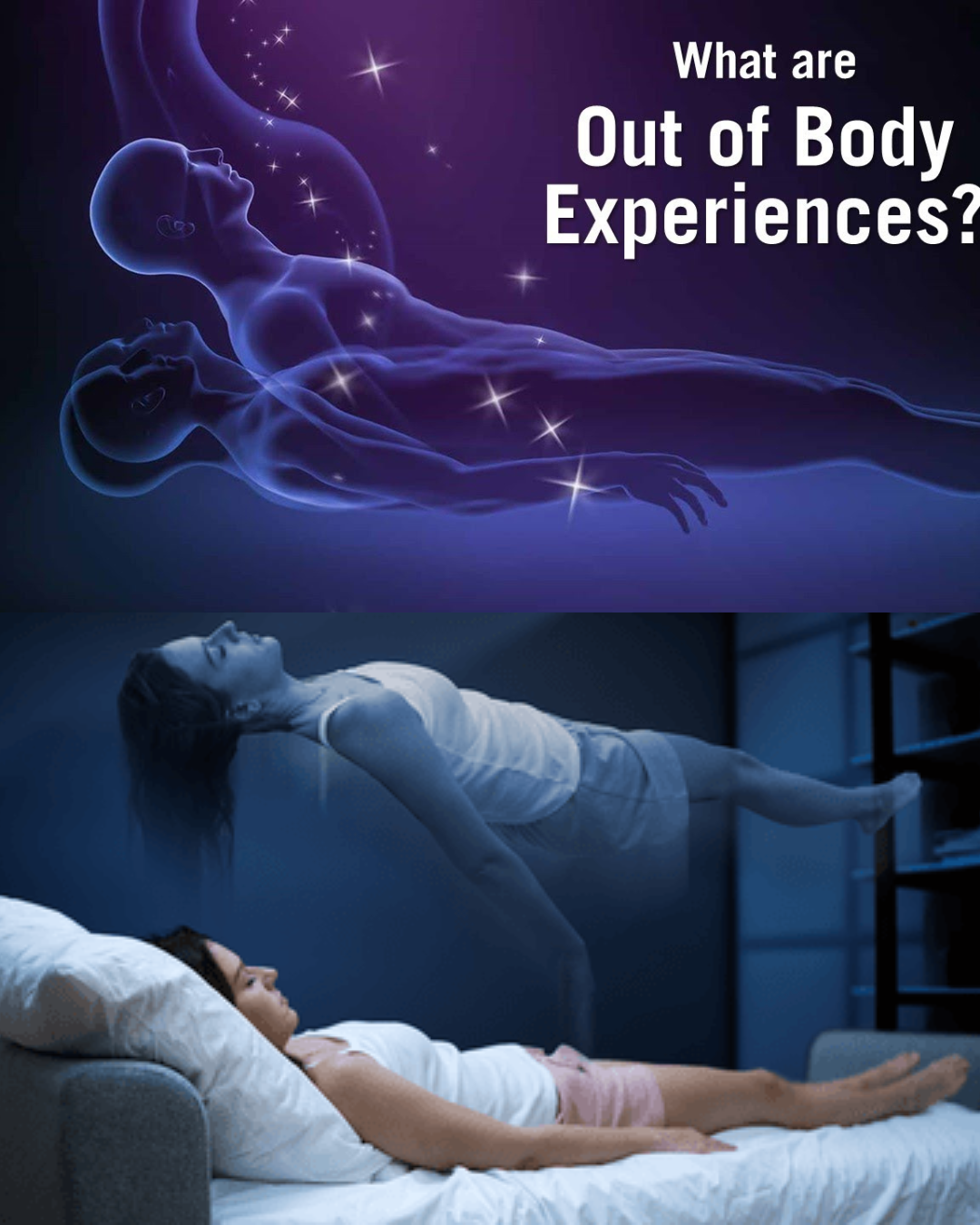
📰 Out-of-Body Experiences: When the Mind Leaves the Body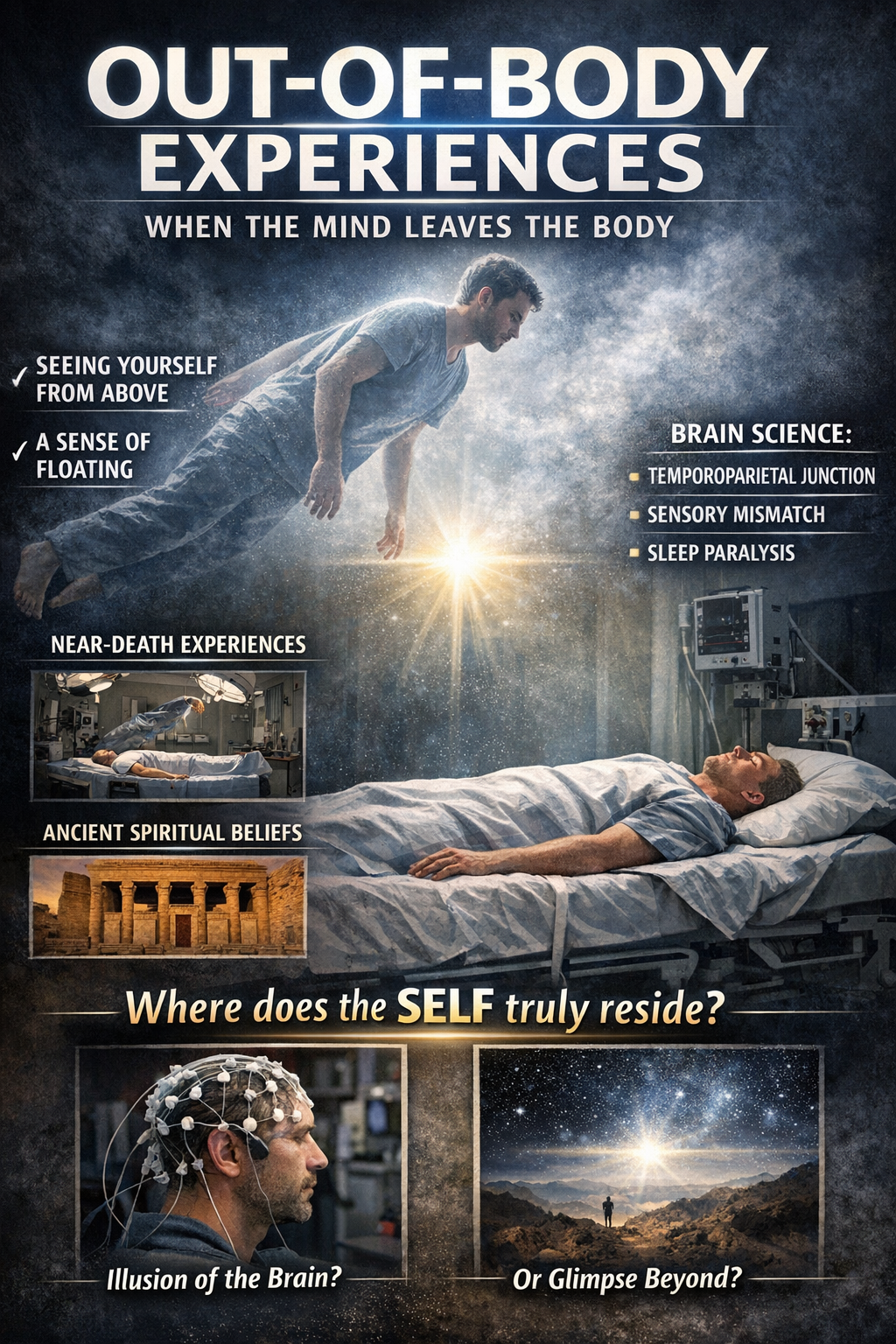
Introduction
Imagine looking down at your own body from above—aware, conscious, yet seemingly detached from physical form. This phenomenon is known as an Out-of-Body Experience (OBE), one of the most intriguing mysteries at the intersection of neuroscience, psychology, and philosophy.
For centuries, OBEs have been reported across cultures, often linked to spiritual beliefs, near-death experiences, and altered states of consciousness.
What Is an Out-of-Body Experience?
An out-of-body experience occurs when a person feels as though their awareness has left their physical body and is observing it from an external perspective.
Common features include:
-
Seeing one’s own body from above
-
A sense of floating or drifting
-
Enhanced clarity or awareness
-
Difficulty returning to the body (in some cases)
OBEs can occur during trauma, sleep, meditation, or even spontaneously.
Historical and Cultural Accounts
Reports of OBEs date back thousands of years and appear in many traditions:
-
Ancient Egyptian and Greek texts describe the soul leaving the body
-
Religious traditions interpret OBEs as spiritual journeys
-
Modern accounts often occur in medical or near-death situations
Despite differences in interpretation, the core experience remains strikingly similar.
Scientific Explanations
Researchers have identified possible brain mechanisms behind OBEs:
1. Temporoparietal Junction (TPJ)
The Temporoparietal Junction plays a key role in integrating sensory information.
Disruptions in this area can cause the brain to misinterpret the body’s position, leading to out-of-body sensations.
2. Sensory Mismatch
OBEs may result from conflicting signals between vision, touch, and balance systems in the brain.
3. Sleep-Related Phenomena
Sleep paralysis and lucid dreaming are often associated with OBEs, suggesting a link to altered states of consciousness.
4. Neurological Stimulation
In some experiments, electrical stimulation of the brain has induced OBE-like sensations, supporting a neurological basis.
The Unanswered Questions
While science can explain some aspects of OBEs, many mysteries remain:
-
Why do experiences feel so vivid and real?
-
How do some people report accurate perceptions during OBEs?
-
Are OBEs purely brain-generated, or do they reveal something deeper about consciousness?
These questions continue to fuel debate among scientists and philosophers.
Why It Matters
Understanding OBEs can help researchers:
-
Study how the brain constructs the sense of self
-
Explore the nature of consciousness
-
Improve treatments for neurological and psychological conditions
It also raises deeper philosophical questions about identity and reality.
Conclusion
Out-of-body experiences challenge our understanding of the relationship between mind and body.
While science increasingly links OBEs to brain activity, their vivid and often life-changing nature keeps the mystery alive.
Whether they are illusions of the brain or glimpses into something beyond, OBEs continue to fascinate and puzzle humanity.
In the end, they force us to ask: Where does the self truly reside?
