
The Radical Act of a Handshake: Why Respect is the Ultimate Bridge
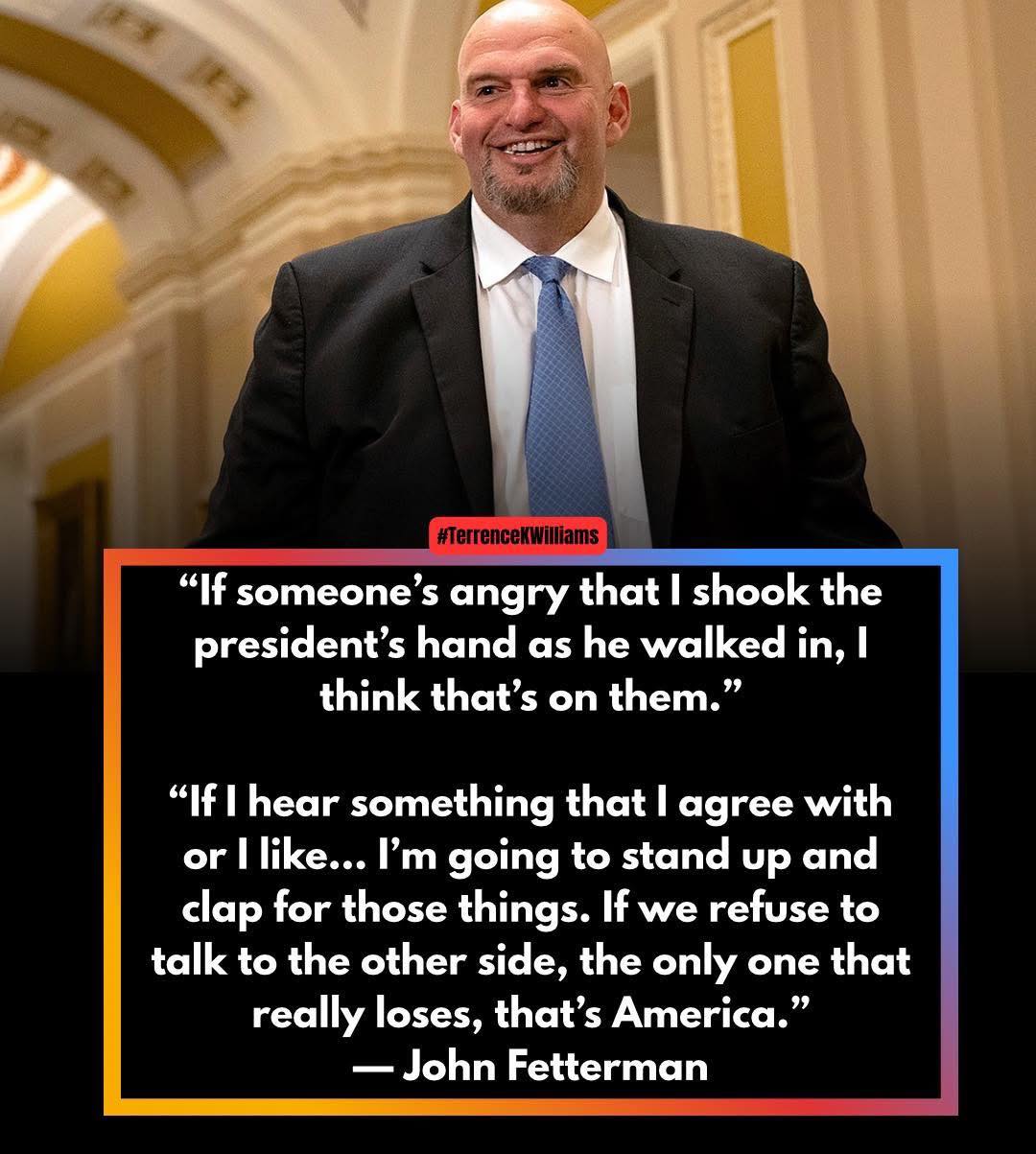
In the modern political landscape, we have become experts at building walls. We sort ourselves into “us” and “them,” retreating into digital fortresses where our own opinions are echoed back to us, louder and more certain than before. In this climate, a simple gesture—a handshake, a nod of agreement, or a moment of shared credit—can suddenly feel like a betrayal of “the team.”
But what if these small gestures aren’t signs of weakness, but the ultimate display of strength?
The Cost of the “Quiet Room”
When we stop talking to those who disagree with us, we don’t just lose an argument; we lose our perspective.
-
The Echo Chamber Trap: When everyone in the room thinks exactly like you, growth stops.
-
The Dehumanization Factor: It is easy to hate a “side,” but it is much harder to hate a person when you are looking them in the eye.
Integrity Over Optics
Sometimes, acknowledging a positive idea from “the other side” isn’t a political calculation—it’s an act of intellectual honesty.
“True integrity isn’t about being loyal to a party line; it’s about being loyal to the truth, even when that truth is spoken by someone you didn’t vote for.”
Choosing to see the value in an opponent’s argument doesn’t mean you’ve lost your way. It means you are secure enough in your own beliefs to recognize a good idea when you see one. It’s about putting the collective good above the personal win.
Strength in the Struggle
A nation doesn’t grow stronger by achieving a forced, silent consensus. Real strength is forged in the friction of debate. It’s the ability to sit at a table with someone who views the world through a completely different lens and still choose:
-
Respect: Acknowledging the dignity of the person, even if you despise the policy.
-
Conversation: Seeking to understand why they believe what they do, rather than just what they believe.
-
Understanding: Finding the 10% of common ground that allows the other 90% of disagreement to remain peaceful.

The Collective Loss
When we refuse to acknowledge the “other side,” the real casualty isn’t a political party—it’s the fabric of society itself. A house divided against itself cannot stand, but a house that knows how to argue and still share a meal is a house that can weather any storm.
The Challenge
The next time you find yourself bristling at a differing opinion, ask yourself: “Am I protecting my principles, or am I just protecting my pride?”
Justice, progress, and peace aren’t found in the total defeat of an opponent. They are found in the messy, difficult, and beautiful work of staying connected, even when it’s easier to walk away. 🤝🇺🇸
