
Back to the Moon — And This Time, We Stay

Back to the Moon — And This Time, We Stay
For more than half a century, humanity has watched the Moon from afar. Now, that long silence is about to end. At NASA headquarters in Washington, D.C., Administrator Jared Isaacman unveiled a bold vision: not a short mission, not a temporary outpost, but a permanent human presence on the lunar surface.
The plan carries a projected cost of $20 billion over the next seven years. It is structured in three decisive phases. Beginning in 2027, robotic systems—rovers, drones, and advanced equipment—will be sent regularly to test power, communication, and mobility on the Moon. These missions will lay the technical foundation for sustained human activity.
Next comes construction. Crewed missions will begin assembling semi-habitable structures, allowing astronauts to live and work for extended periods. Finally, fully developed habitats and pressurized transport systems will transform the site into a long-term settlement. Nuclear power systems, deployed both on the lunar surface and in orbit, will provide the energy needed to sustain operations.
The urgency behind this effort is unmistakable. Isaacman emphasized that a new era of competition in space has begun, with China rapidly advancing its own lunar ambitions. With successful robotic missions, sample returns, and plans for a crewed landing before 2030, China is emerging as a formidable presence beyond Earth.
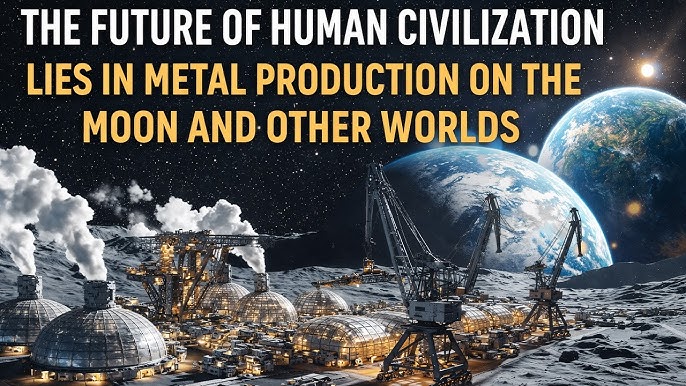
The timeline reflects that pressure. The Artemis II mission—set to be the first crewed lunar flyby in over 50 years—is expected to launch imminently. A human landing is targeted for 2028. From that point forward, the objective is clear: continuous presence.
As Isaacman stated, the goal is no longer symbolic exploration. This time, it is permanence. Humanity is not simply returning to the Moon—it is preparing to stay.
