
Mother Responds to Online Backlash After Sharing Photos of Stillborn Triplets
“I Held Them, Kissed Them, and Let Them Go”: Mother Responds to Online Backlash After Sharing Photos of Stillborn Triplets
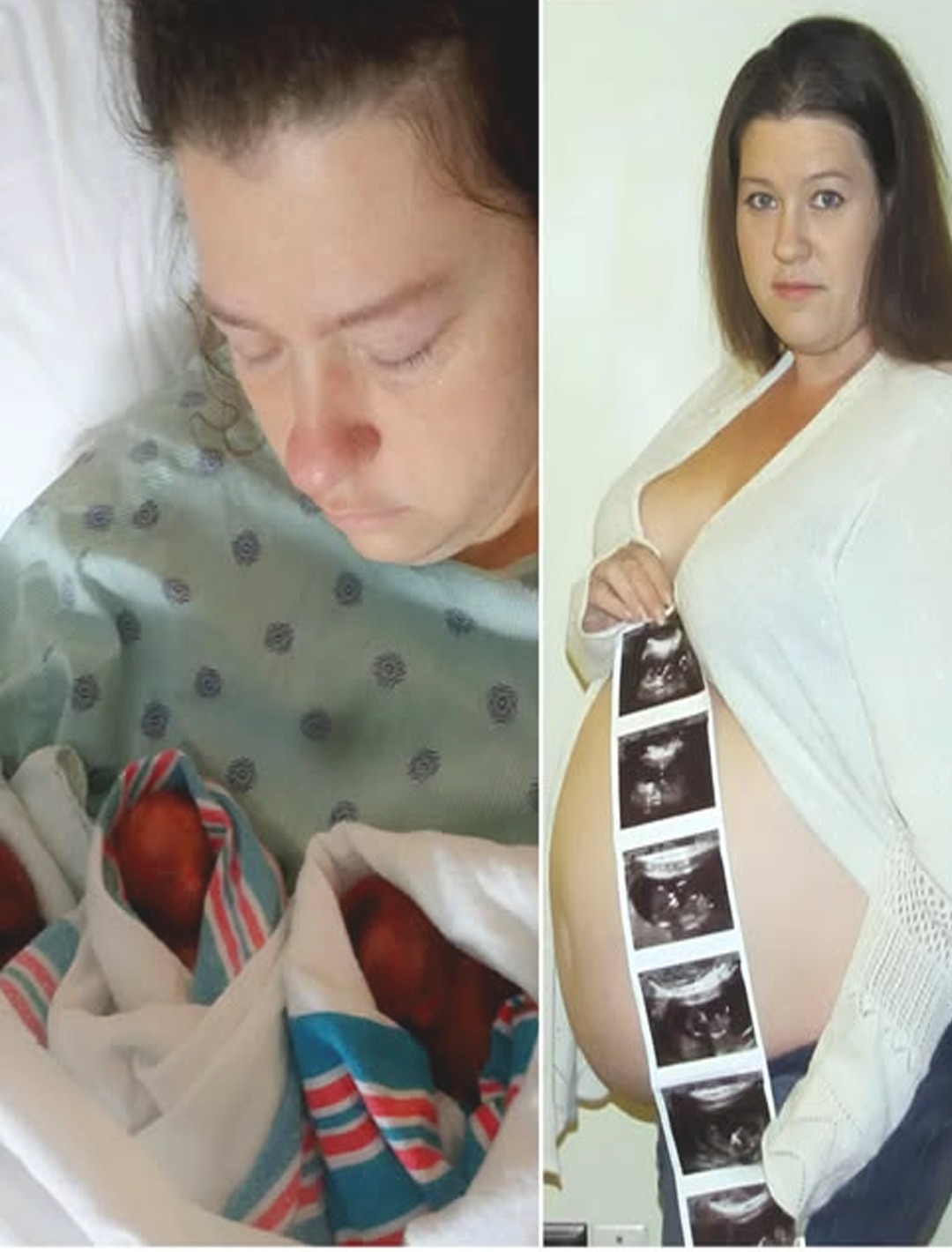
A mother who delivered stillborn triplets has spoken publicly after receiving harsh online criticism for posting photos of her babies — images she shared to honor their lives and reach out to other parents who have experienced similar heartbreak.
Amanda Morrison, 33, of Roswell, Georgia, had battled infertility for more than 14 years before finally conceiving through fertility treatment. What began as a long-awaited dream soon turned into devastation when doctors informed her that the pregnancy could not continue.
After Amanda posted photographs of her babies online, she was stunned to receive hateful messages from strangers who accused her of being a “psychopath” and even a “baby killer.” She says she shared her story not for attention, but to raise awareness about pregnancy loss and to support other grieving families.
“I’ve been told it’s wrong to share pictures of my children because they’re no longer alive,” Amanda said. “I’ve heard things no mother should ever have to hear. But my babies existed. They were deeply loved, and they mattered.”
Amanda discovered she was pregnant in August following intrauterine insemination (IUI). Although doctors had advised her to manage her expectations, an early test showed a faint positive result. Over the next several days, additional tests confirmed she was expecting.
At her six-week ultrasound, she learned she was carrying triplets. By seven weeks, all three heartbeats were detected, and the pregnancy appeared to be progressing well.
However, at 15 weeks, Amanda received heartbreaking news: her cervix was failing, and doctors told her the loss of her babies was almost inevitable.
“It was the kind of moment that changes everything,” she recalled. “I felt shattered. I searched endlessly for answers, pleaded for help, and kept hoping there was some mistake. I was completely numb.”
When the triplets were delivered, Amanda was given time to be with them. She held each one, examined their tiny faces, counted their fingers and toes, and tried to memorize every detail.
“I loved them the second I saw them,” she said. “I held them close, kissed them, and then I had to say goodbye.”
To keep their memory alive, Amanda took photographs and created small memorial spaces in her home as tributes to her children — reminders of lives that, though brief, profoundly changed her forever.
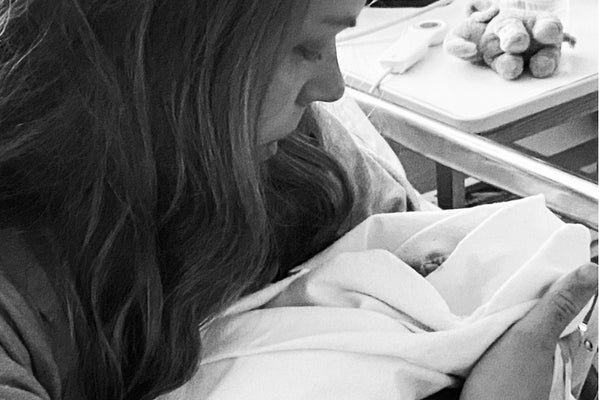
“They left a part of themselves with me, just like any child would,” she said. “Even if society struggles to acknowledge them, they were my babies.”
When she shared her photos online, many fellow bereaved parents reached out with compassion and solidarity. Those connections, Amanda says, became a lifeline during her darkest days. Still, the negative comments left lasting wounds.
Despite the criticism, Amanda remains committed to speaking openly about pregnancy loss and challenging the silence that often surrounds it.
“I’ve come to realize how uncomfortable people are with the topic of losing a child,” she said. “When they don’t know what to say, they either say nothing — or something hurtful.”
She hopes others will understand how meaningful it can be simply to acknowledge a lost child by name.
“We don’t want people to avoid us or treat us like we’re fragile,” she explained. “We just want compassion — especially during unexpected moments when grief resurfaces, like passing by baby clothes in a store.”
Amanda has since started a Facebook support group for bereaved parents, often called “angel parents,” to offer a safe space for shared understanding.
“No matter when or how we lost our children, the grief runs just as deep,” she said. “No parent should have to carry that weight alone.”
For Amanda, telling her story isn’t about provoking debate. It’s about honoring her children, preserving their memory, and ensuring they are never forgotten.
