
Nuclear Power: The Ultimate Force of Destruction and Its Lasting Shadow
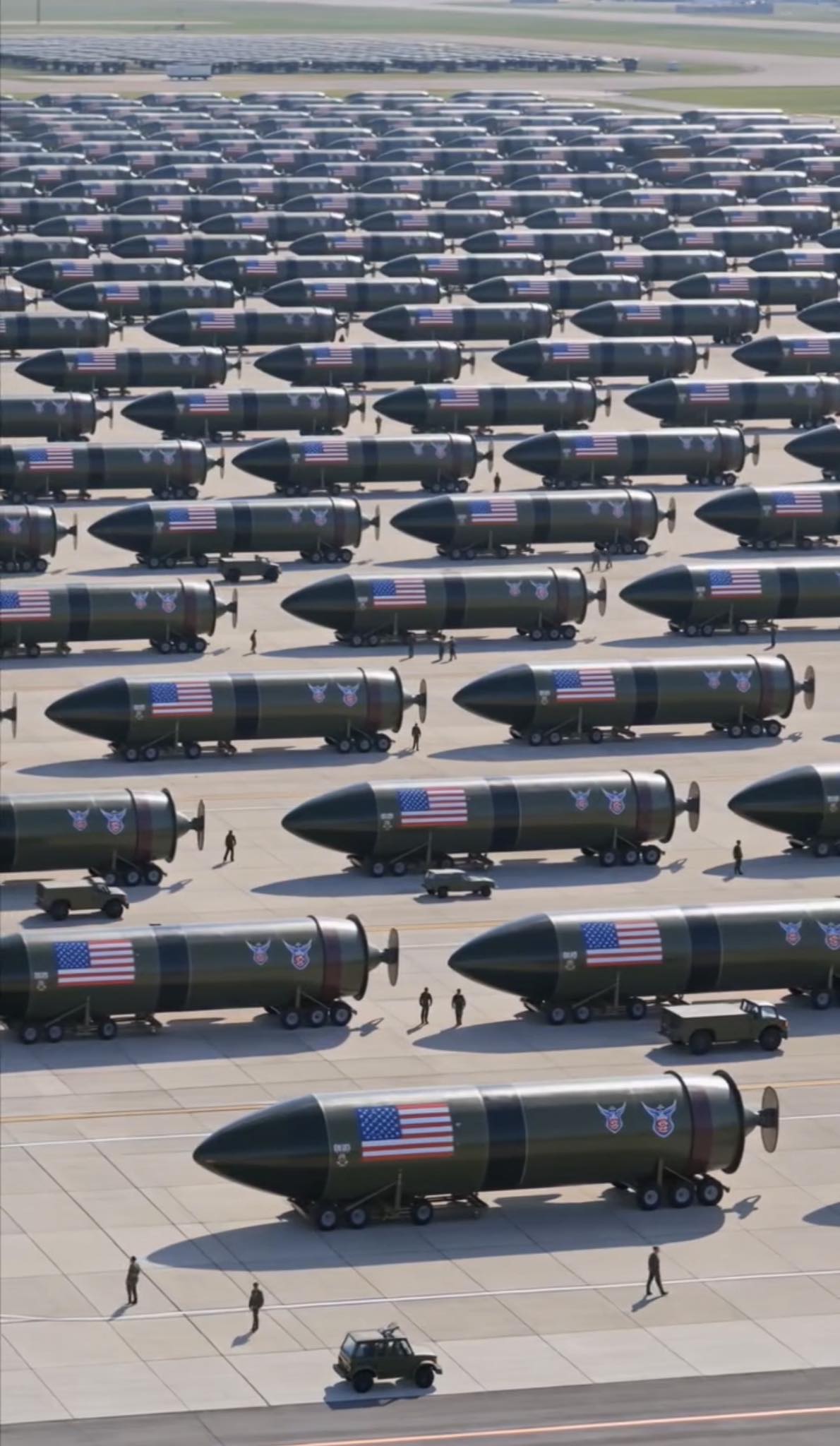
Nuclear Power: The Ultimate Force of Destruction and Its Lasting Shadow
The destructive capacity of modern nuclear weapons is not defined solely by their immediate blast, but by the unimaginable scale of devastation they unleash within seconds. A single detonation has the potential to engulf an entire city in fire, erasing infrastructure, landscapes, and human life almost instantly. The thermal energy released reaches temperatures comparable to the surface of the sun, igniting everything within a vast radius. In the same moment, a powerful shockwave surges outward, flattening buildings, overturning vehicles, and leaving nothing but ruin in its path.
Yet the most terrifying consequences are often invisible and long-lasting. Radiation spreads silently across air, soil, and water, embedding itself into the environment and human bodies alike. Its effects can persist for decades, even generations, leading to severe illnesses and irreversible genetic damage. Areas once full of life can become uninhabitable, transformed into barren zones where recovery is slow, if not impossible.
This is what makes nuclear weapons fundamentally different from all other forms of warfare. They are not only instruments of destruction but enduring forces that reshape entire ecosystems and societies.
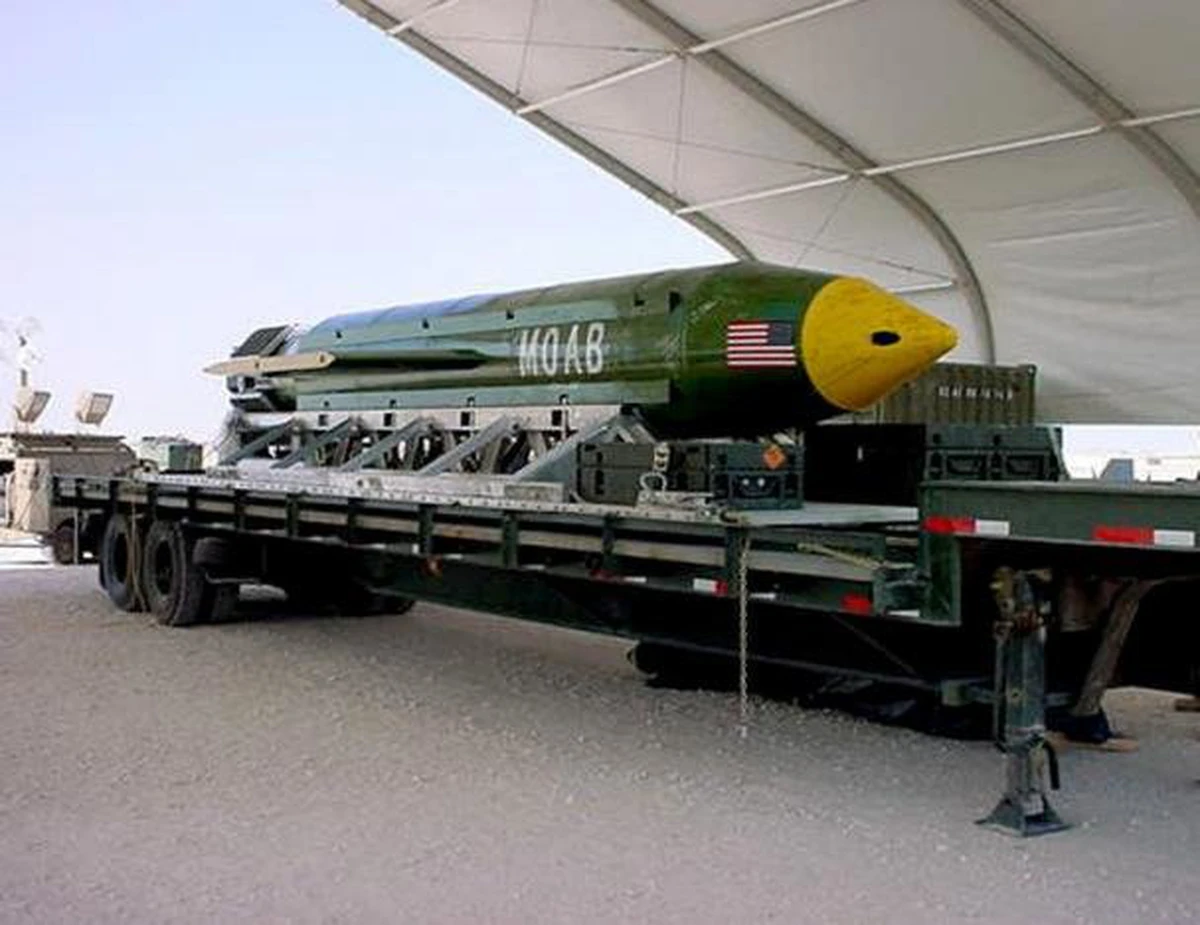
In a world where geopolitical tensions continue to rise, the threat of nuclear conflict remains a constant concern. The margin for error is dangerously small, and a single miscalculation could trigger consequences far beyond any conflict humanity has ever known.