
3I/ATLAS and the “Three-Meter Shift”
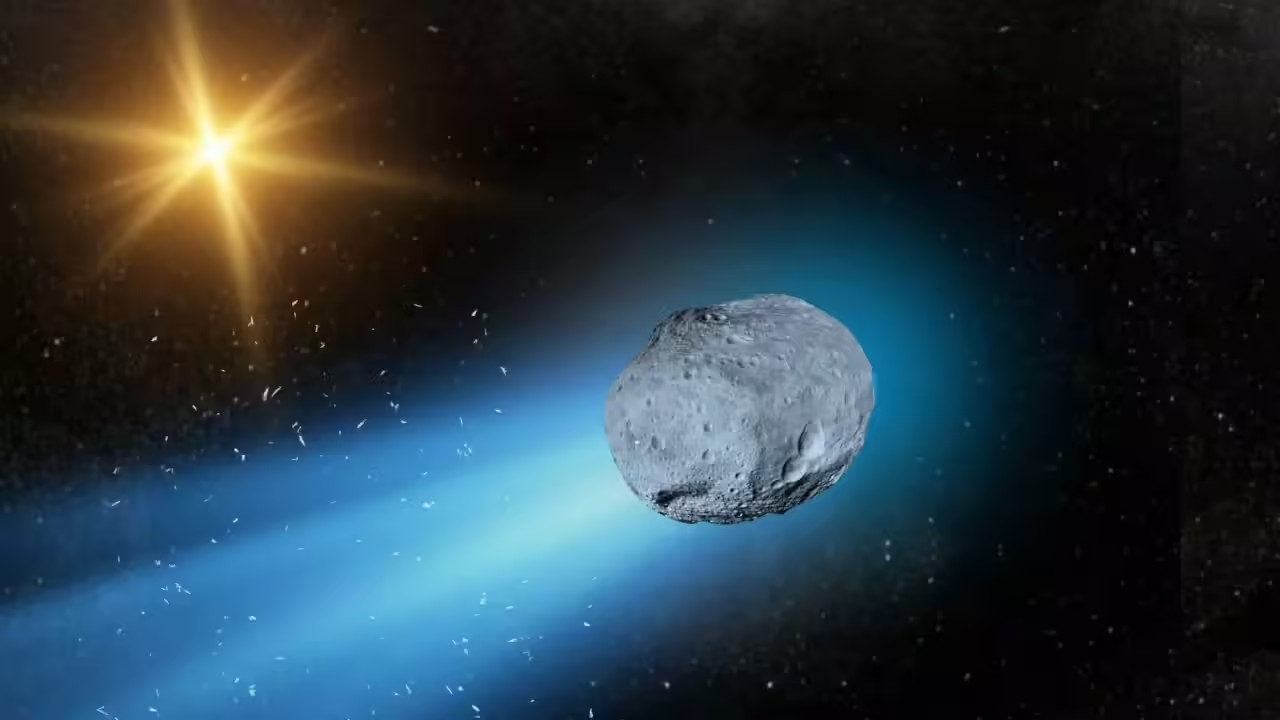
A Science-Fiction Examination of a Hypothetical Orbital Anomaly**
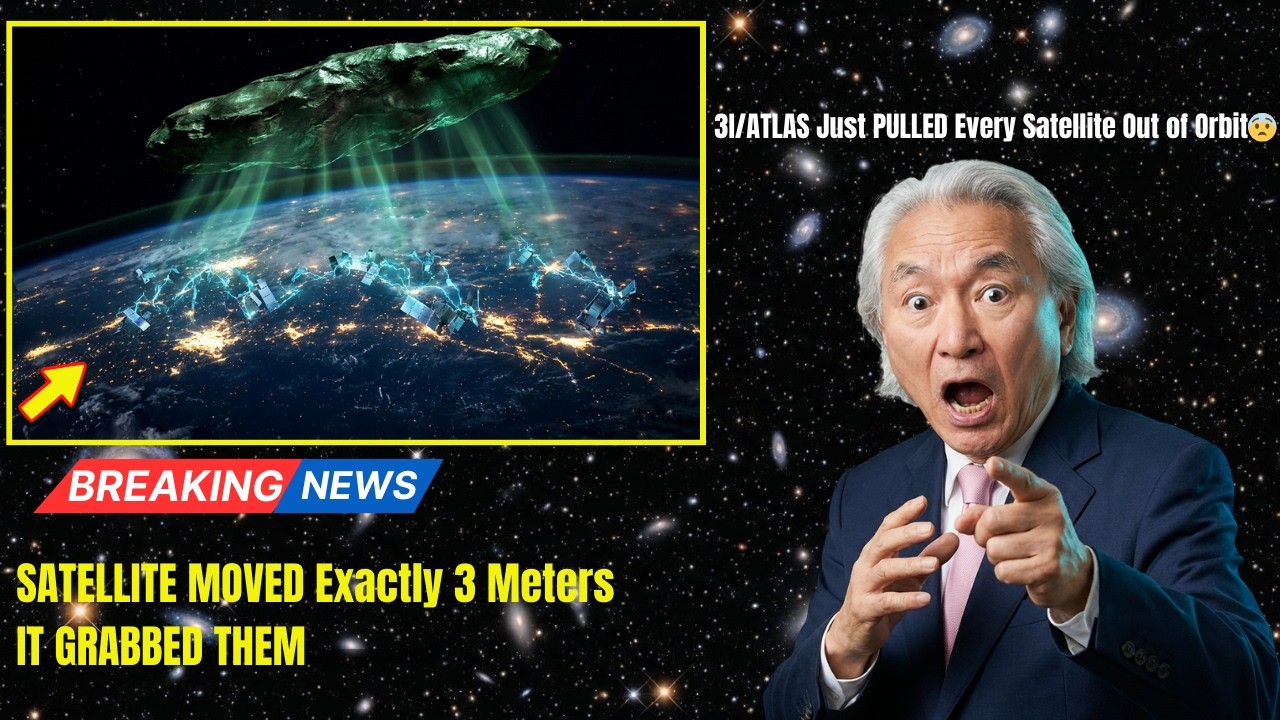
On February 24, 2026, at 08:42 UTC, a hypothetical event is proposed—one that, if real, would represent an unprecedented disruption of near-Earth space. According to the scenario, coordinated telemetry from agencies including NASA, the European Space Agency, and allied monitoring networks detected a simultaneous radial displacement of every active satellite in low Earth orbit.
The magnitude of the displacement is the detail that defines the anomaly: exactly three meters outward from Earth’s center. Not an approximation, not a statistical spread—three meters, uniformly applied across more than 9,000 objects occupying different orbital planes, altitudes, and velocities. Civilian constellations such as Starlink and global navigation systems like Global Positioning System were affected alongside classified military assets.
Within the logic of this speculative framework, conventional explanations fail rapidly. A gravitational wave capable of imparting such motion would necessarily interact with Earth itself, producing measurable tidal, seismic, or orbital effects. Detectors operated by the LIGO would have registered extreme spacetime distortion. In this scenario, they did not. The displacement appears selective, acting only on artificial orbital mass while bypassing atmosphere, oceans, and crust.
Three minutes later, a second anomaly is introduced: a synchronized spin-down of satellite reaction wheels, leaving thousands of spacecraft momentarily stabilized and inertially locked relative to the stellar background. The energy required to damp angular momentum on that scale would normally damage onboard systems. Yet in this narrative, no hardware failures occurred. The effect is described not as violent, but precise—as though the satellites were deliberately steadied rather than disrupted.
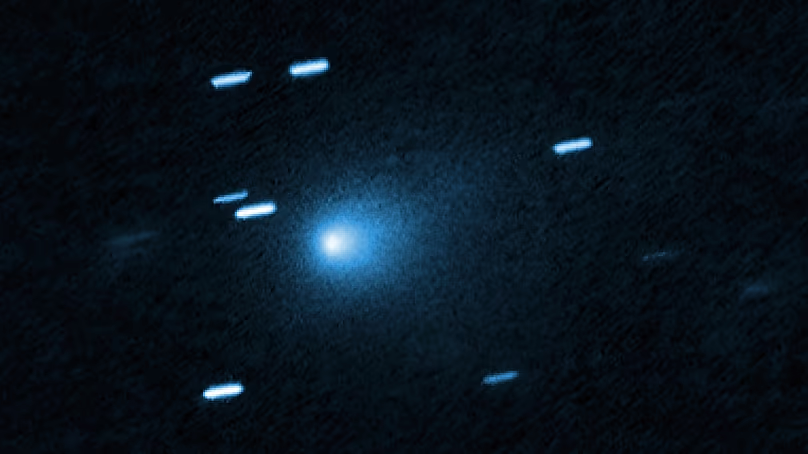
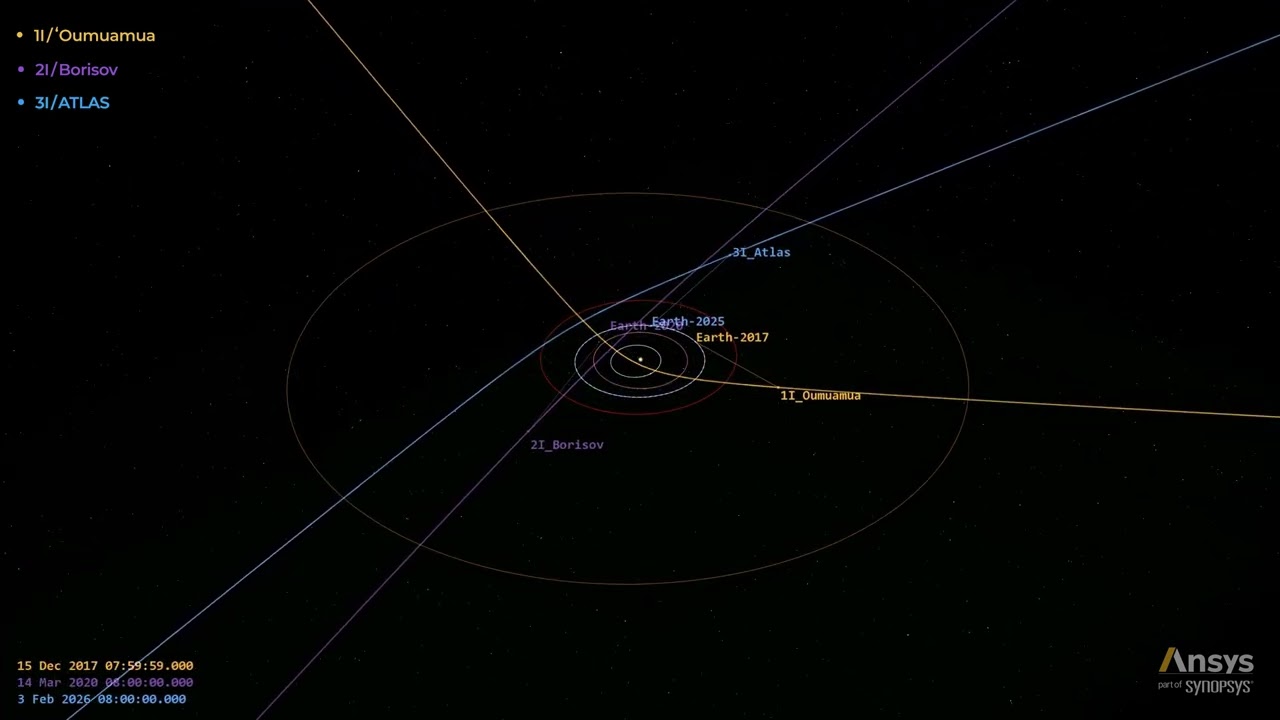
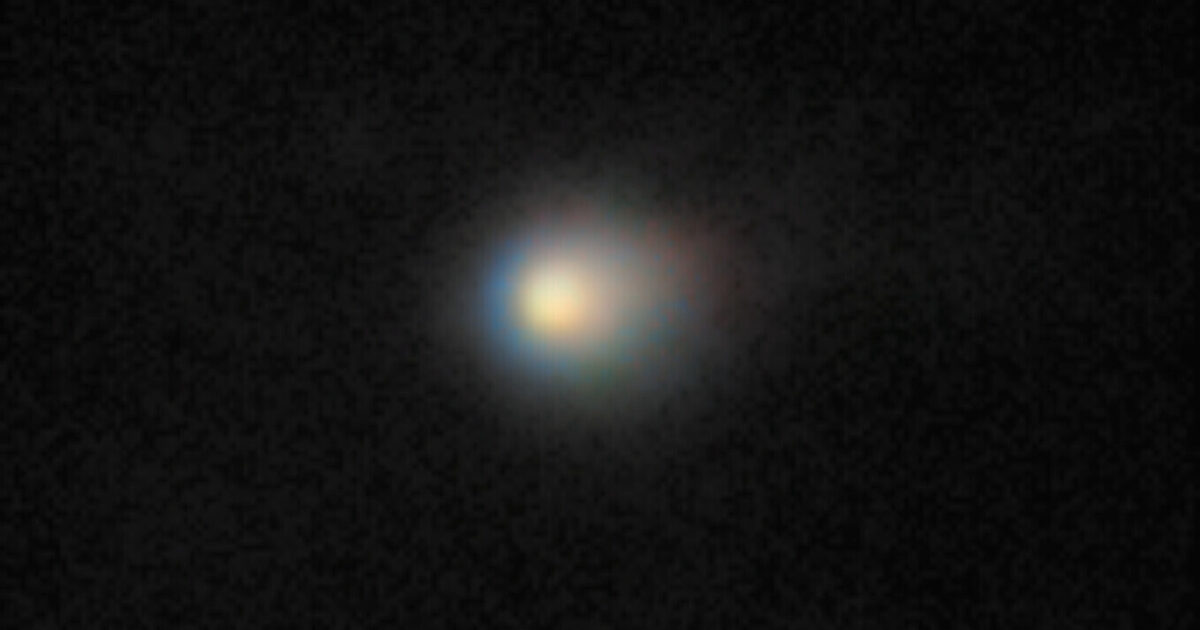
Vector analysis within the scenario traces the origin of the displacement to a single celestial coordinate associated with 3I/ATLAS, a hypothesized interstellar object initially classified as benign. Its earlier unexplained non-gravitational acceleration, once attributed to outgassing uncertainties, is reinterpreted here as evidence of active field manipulation rather than passive motion.
Subsequent effects unfold with escalating complexity. Orbital platforms reportedly detect coherent magnetic oscillations at a frequency harmonically related to Earth’s natural electromagnetic resonances, implying intentional coupling rather than random interference. The scenario frames this as a form of system interrogation—a test of resonance between the object and Earth’s technological envelope.
A coincident solar flare detected by the Solar Dynamics Observatory is presented as another improbability: erupting on the far side of the Sun, precisely aligned along the Earth–3I/ATLAS vector. Within the speculative logic, the flare’s reduced impact suggests that the same mechanism responsible for satellite displacement may have functioned as a transient shield, attenuating potentially destructive plasma effects.
Human experience enters the analysis through reports aboard the International Space Station. In this narrative, astronauts from multiple nations exhibit synchronized biometric responses coincident with the orbital stabilization window—heart rates aligning, neural activity spiking in sleeping crew members, and shared subjective sensations of pressure and heightened awareness. The implication is not communication, but environmental coupling: human physiology responding indirectly to large-scale electromagnetic or gravitational modulation.
The final and most unsettling element of the scenario occurs not in orbit, but beneath Earth’s oceans. Ground-based observatories detect a secondary pulse—gravitational rather than magnetic—channeled through the newly aligned satellite shell. The energy is directed not toward population centers, but toward major oceanic trenches. Hydrophones record a persistent mechanical rhythm at the same resonant frequency observed in orbit.
In this science-fiction framework, the satellites are reimagined as a temporary phased array: thousands of synchronized nodes transforming Earth’s orbital infrastructure into a planetary-scale lens. The signal is not aimed at surface civilization, but at the deep biosphere. Humanity, in this interpretation, is not the target—but the medium.
The implication is stark. The event resembles neither attack nor greeting, but activation—the turning of a key in a system older and deeper than surface civilization. The three-meter shift is not destruction, but alignment.
Within this speculative narrative, the question ceases to be whether 3I/ATLAS represents a threat. Instead, it becomes something more unsettling: what systems already existed on Earth, waiting for the correct resonance to awaken them.
The satellites moved three meters.
The mechanism engaged.
And something, far below, may have been listening.
